Conditions · Metabolism (biochemistry)
Disulfiram–ethanol reaction !
Drinking alcohol while on disulfiram makes acetaldehyde build up: flushing, nausea, palpitations and low blood pressure.
Updated 2026-11-01
Structures involved
Tap one to see what it is and open it in 3D.
In biochemistry
- Ethanol metabolism: Step 2 · Mitochondrial aldehyde dehydrogenase (ALDH2)
- Aldehyde dehydrogenase 2 (ALDH2)
- Acetaldehyde
Why it happens
What it is
A toxic reaction that appears when alcohol is drunk while aldehyde dehydrogenase is inhibited by disulfiram (or, similarly, by other drugs or the ALDH2*2 variant).
Who gets it
It occurs in people treated with disulfiram for alcohol dependence who drink or are exposed to hidden alcohol (syrups, mouthwashes, perfumes, vinegars, sauces). A similar reaction, alcohol flushing, is common in East Asian people with ALDH2*2.
Causes
- Alcohol during disulfiram treatment or up to about two weeks after stopping it
- Hidden alcohol in medicines, food or cosmetics
- Disulfiram-like reactions described with metronidazole, some cephalosporins, griseofulvin and the mushroom Coprinopsis atramentaria
Risk factors
- Disulfiram treatment without enough information
- Pre-existing cardiovascular disease
- Drinking a large amount of alcohol
Pathophysiology
Disulfiram and its metabolites (such as methylated diethylthiocarbamate) modify ALDH2's catalytic cysteine and inactivate it irreversibly; activity returns only when the liver makes new enzyme. On drinking, alcohol dehydrogenase keeps making acetaldehyde, which is not oxidised and rises several-fold in the blood. Acetaldehyde releases histamine and dilates vessels (flushing, throbbing headache, hypotension), triggers vomiting and causes reflex tachycardia. Disulfiram also inhibits dopamine β-hydroxylase: less noradrenaline, which worsens the hypotension.
Symptoms and signs
- Flushing of face and neck minutes after drinking
- Throbbing headache
- Intense nausea and vomiting
- Palpitations and tachycardia
- Sweating, breathlessness and dizziness
- Blurred vision and confusion
Diagnosis
- Clinical
- Clinical diagnosis: typical symptoms soon after drinking in someone taking disulfiram or another implicated drug.
- Tests
- Electrocardiogram, electrolytes and glucose in moderate or severe cases; ethanol level when in doubt.
- Imaging
- Imaging is not usually needed.
Treatment
- Acute
- Supportive measures: lying flat, intravenous fluids and blood pressure control.
- Medical
- Antiemetics and, in severe cases, vasopressors; fomepizole has been used in severe cases to slow acetaldehyde formation.
- Follow-up
- Cardiac monitoring until symptoms settle, usually within a few hours.
- Conservative
- Informing people who receive disulfiram about hidden alcohol sources.
Complications
- Shock
- Arrhythmias, myocardial ischaemia
- Bronchospasm
- Death (rare)
Prognosis
Most reactions settle within hours with support; severe ones occur with large amounts of alcohol or pre-existing heart disease.
Prevention
- Explaining the reaction before starting disulfiram and reviewing hidden alcohol sources
- Avoiding alcohol during and after treatment with implicated drugs
Test yourself
Think of the answer, then tap the question to see it.
Which enzyme does disulfiram inhibit and what builds up?
Aldehyde dehydrogenase (ALDH2); acetaldehyde builds up.
Why can the reaction occur days after stopping disulfiram?
The inhibition is irreversible: the liver must make new enzyme.
Why is hypotension intense in this reaction?
Acetaldehyde dilates vessels and disulfiram inhibits dopamine β-hydroxylase, so there is less noradrenaline.
Which genetic variant causes a similar flush with alcohol?
ALDH2*2, common in East Asia.
Related conditions
Educational information, not medical advice. For any symptom, see a health professional.
Sources: Disulfiram: MedlinePlus Drug Information (MedlinePlus, US National Library of Medicine, 2026); Alcohol use disorder: MedlinePlus Genetics (MedlinePlus, US National Library of Medicine, 2026); Textbook of Biochemistry for Medical Students, 6th ed. (Jaypee Brothers Medical Publishers (Vasudevan DM, Sreekumari S, Vaidyanathan K), 2011).
Spotted a mistake?We are always improving for the community. Tell us what is wrong and our team will review it.Report a mistake
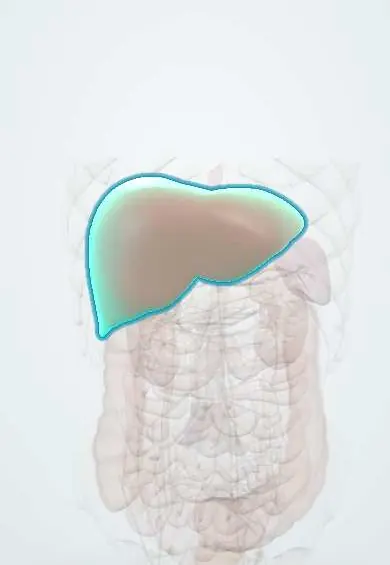
Representative model, for educational purposes only.