
Posterior vitreous detachment
The gel inside the eye peels off the retina with age, causing floaters and flashes. Usually harmless, but a dilated exam rules out a retinal tear.
Quick facts
- Key signs
- New floaters · Flashes of light · Symptoms in one eye
- Diagnosis
- Floating ring in front of the disc
Red flags ↓
No doses: the clinician sets them by the current guideline.
What it is
Separation of the vitreous gel from the retina, a normal ageing change that becomes common after 50. It causes new floaters and flashes. Most cases are harmless, but where the vitreous is stuck to the retina it can tear it, and a tear can lead to a retinal detachment.
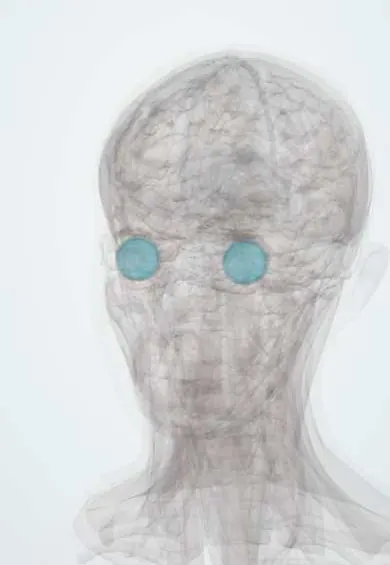
See it in 3D
Who gets it
Very common in older adults; earlier in short-sighted people and after cataract surgery or eye trauma.
Causes
- Age-related liquefaction of the vitreous
- High myopia
- Cataract surgery
- Eye trauma
- Intraocular inflammation
Risk factors
- Age over 50
- High myopia
- Previous cataract surgery
- Eye trauma
Pathophysiology
With age the vitreous gel liquefies and collapses. It peels away from the retina, starting at the back; the ring where it was attached to the optic disc floats free and is seen as a floater. Traction on the retina is felt as flashes, and strong adhesions can tear it.
Symptoms and signs
- New floaters, often a ring or cobweb
- Flashes of light, especially in dim light
- Symptoms in one eye
Diagnosis
- Clinical
- Dilated examination of the peripheral retina by ophthalmology to look for tears; the floating ring in front of the disc confirms it.
- Tests
- No laboratory tests.
- Imaging
- Ocular ultrasound or OCT when the view is poor or the diagnosis is unclear.
Differential diagnosis
- Retinal tear or detachment
- Vitreous haemorrhage
- Migraine aura (bilateral zigzag lights)
- Posterior uveitis (vitritis)
Goal of treatment
Exclude a retinal tear and teach the warning symptoms.
Treatment
- Follow-up
- No treatment for uncomplicated detachment; explanation and a follow-up exam in the following weeks when advised.
- Procedure
- Laser or cryotherapy around any retinal tear found, to prevent detachment.
Complications
- Retinal tear
- Retinal detachment
- Vitreous haemorrhage
Prognosis
Floaters become less noticeable over months. The prognosis is excellent when tears are found and treated.
Test yourself
Think of the answer, then tap the question to see it.
What symptoms does a posterior vitreous detachment cause?
New floaters and flashes of light in one eye.
What is its main risk?
A retinal tear that can lead to retinal detachment.
How is a retinal tear excluded?
With a dilated examination of the peripheral retina by ophthalmology.
Why it happens
In ophthalmology
Connections
Educational information, not medical advice. For any symptom, see a health professional.
Sources: Posterior Vitreous Detachment (StatPearls Publishing (NCBI Bookshelf), 2026).
Spotted a mistake?We are always improving for the community. Tell us what is wrong and our team will review it.Report a mistake
Representative model, for educational purposes only.