Conditions · Vitamins and minerals
Scurvy (vitamin C deficiency) !
Scurvy is severe lack of vitamin C: bleeding gums, bruising, wounds that will not close and leg pain.
Updated 2026-11-01
Structures involved
Tap one to see what it is and open it in 3D.
In biochemistry
In histology
- Connective tissue proper: cells and fibres
- Extracellular matrix: collagen types, elastin, ground substance
In physiology
Why it happens
- What delays healing: infection, diabetes, nutrition, glucocorticoids, poor blood flow
- Vitamin deficiencies: what each one does to tissue
- Granulation tissue and scar formation
What it is
A disease of ascorbic acid deficiency in which collagen is made defective, leaving vessels, skin, gums and bone fragile. It appears after one to three months without vitamin C.
Who gets it
Rare but not gone: older adults living alone, alcoholism, eating disorders, children with autism or very selective diets, homeless people and patients on dialysis.
Causes
- Diet without fresh fruit or vegetables
- Alcoholism and smoking
- Malabsorption or dialysis
- Very selective diets (autism spectrum disorder, anorexia)
Risk factors
- Poverty and social isolation
- Older age
- Psychiatric illness
- Boiled cow's milk as the only food in infants
Pathophysiology
Prolyl and lysyl hydroxylases need ascorbate to keep their iron reduced. Without hydroxyproline, procollagen cannot form a triple helix stable at body temperature and is degraded; without hydroxylysine, cross-links are missing. Capillaries break (perifollicular petechiae, bleeding gums, subperiosteal haemorrhage), wounds do not heal and bone cannot form normal matrix. Carnitine (fatigue) and noradrenaline synthesis also fail.
Symptoms and signs
- Tiredness, irritability, leg pain
- Swollen, purple, bleeding gums; loose teeth
- Petechiae around hair follicles and corkscrew hairs
- Easy bruising, especially on the legs
- Wounds that do not heal or reopen
- Infants: pain on moving the legs (pseudoparalysis), irritability
Diagnosis
- Clinical
- A clinical diagnosis based on the skin and gum signs with a history of poor diet; a quick response to vitamin C confirms it.
- Tests
- Low plasma or leucocyte ascorbic acid; blood count (anaemia is common from bleeding and iron or folate deficit).
- Imaging
- Long-bone X-ray in children: white line of Frankel, Wimberger ring at the epiphyses, calcified subperiosteal haemorrhages.
Treatment
- Medical
- Replace vitamin C orally (or intravenously if there is malabsorption)
- Lifestyle
- Diet with fresh fruit and vegetables; nutritional support and treatment of the cause (alcoholism, restrictive diet)
- Follow-up
- Look for other associated deficiencies (iron, folate, vitamin D)
Complications
- Internal bleeding
- Tooth loss
- Anaemia
- Sudden death from bleeding or arrhythmia if untreated
Prognosis
Excellent with treatment: bleeding and fatigue improve within days and skin and gum lesions within weeks.
Prevention
- Daily fresh fruit and vegetables
- Spotting restrictive diets in children and older adults
Test yourself
Think of the answer, then tap the question to see it.
Which step of collagen synthesis fails in scurvy?
Hydroxylation of proline and lysine by vitamin C-dependent enzymes; without it the triple helix is unstable.
Which skin sign is typical of scurvy?
Perifollicular petechiae with corkscrew hairs, especially on the legs.
Why do children with scurvy stop walking?
Subperiosteal haemorrhages and metaphyseal damage cause severe leg pain.
Who is most at risk of scurvy today?
Older adults living alone, people with alcoholism, children with very selective diets and people with eating disorders.
Educational information, not medical advice. For any symptom, see a health professional.
Sources: Scurvy: MedlinePlus Medical Encyclopedia (MedlinePlus, US National Library of Medicine, 2026); Vitamin C: MedlinePlus Medical Encyclopedia (MedlinePlus, US National Library of Medicine, 2026); Vitamin C: MedlinePlus (MedlinePlus, US National Library of Medicine, 2026); Textbook of Biochemistry for Medical Students, 6th ed. (Jaypee Brothers Medical Publishers (Vasudevan DM, Sreekumari S, Vaidyanathan K), 2011).
Spotted a mistake?We are always improving for the community. Tell us what is wrong and our team will review it.Report a mistake
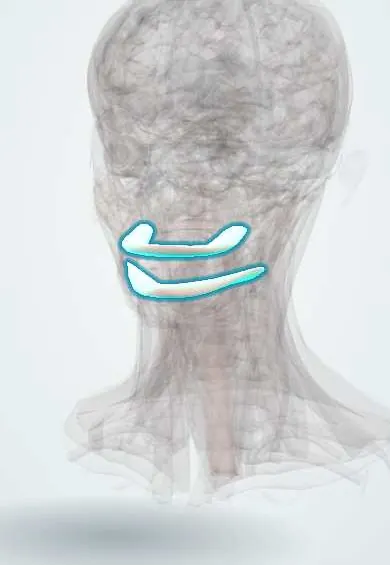
Representative model, for educational purposes only.