
Cystoid macular oedema
Fluid collects in small cysts at the centre of the retina, blurring central vision. It follows cataract surgery, diabetes, vein occlusion or uveitis.
What it is
Accumulation of fluid in cyst-like spaces in the outer layers of the macula. It is a final common pathway of many diseases: inflammation after cataract surgery, diabetic retinopathy, retinal vein occlusion, uveitis, retinitis pigmentosa and some drugs. It blurs and distorts central vision and is usually treatable.
Who gets it
Common; post-cataract oedema typically appears a few weeks after surgery.
Causes
- After cataract or other intraocular surgery (Irvine-Gass syndrome)
- Diabetic retinopathy
- Retinal vein occlusion
- Uveitis
- Retinitis pigmentosa
- Drugs (for example some glaucoma drops after surgery, niacin, taxanes)
Risk factors
- Complicated cataract surgery
- Diabetes
- Uveitis
- Epiretinal membrane
Pathophysiology
Inflammatory mediators or ischaemia break down the blood-retinal barrier. Fluid leaks from perifoveal capillaries and collects in the outer plexiform layer, where the radial fibres create a petal-shaped pattern of cysts.
Symptoms and signs
- Blurred central vision
- Distortion
- Reduced contrast
Diagnosis
- Clinical
- Loss of the foveal reflex and honeycomb cysts at the macula on slit lamp examination.
- Tests
- Search for the cause: glucose, blood pressure, uveitis workup when appropriate.
- Imaging
- OCT shows the cysts and measures thickness; fluorescein angiography shows a petaloid leak.
Differential diagnosis
- Macular hole
- Central serous chorioretinopathy
- Neovascular macular degeneration
- Epiretinal membrane
Goal of treatment
Treat the cause and reduce the fluid to restore central vision.
Treatment
- Medical
- Topical non-steroidal anti-inflammatory and corticosteroid drops for post-operative oedema.
- Medical
- Intravitreal corticosteroids or anti-VEGF injections for diabetic, vascular or uveitic oedema.
- Medical
- Carbonic anhydrase inhibitors for oedema in retinitis pigmentosa.
Complications
- Permanent central visual loss in chronic oedema
- Lamellar macular hole
Prognosis
Most post-operative cases resolve; chronic oedema from other causes may leave reduced vision.
Test yourself
Think of the answer, then tap the question to see it.
What is Irvine-Gass syndrome?
Cystoid macular oedema after cataract surgery.
Which imaging test confirms cystoid macular oedema?
Optical coherence tomography (OCT).
What is the first-line treatment after cataract surgery?
Topical non-steroidal anti-inflammatory and corticosteroid drops.
In ophthalmology
Connections
Educational information, not medical advice. For any symptom, see a health professional.
Sources: Macular Edema (StatPearls Publishing (NCBI Bookshelf), 2024); Cystoid Macular Edema (EyeWiki, American Academy of Ophthalmology, 2026).
Spotted a mistake?We are always improving for the community. Tell us what is wrong and our team will review it.Report a mistake
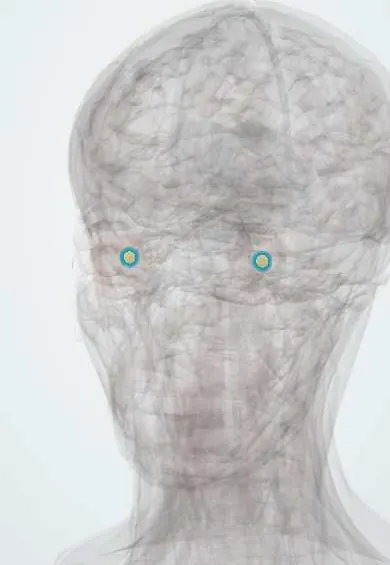
Representative model, for educational purposes only.