Conditions · Metabolism: cholesterol and lipoproteins
Familial chylomicronemia syndrome (lipoprotein lipase deficiency) !
A rare inherited disorder in which chylomicrons are not emptied: triglycerides rise enormously and cause pancreatitis.
Updated 2026-11-01
Structures involved
Tap one to see what it is and open it in 3D.
In biochemistry
- Lipoprotein lipase (LPL)
- Lipoprotein metabolism
- Chylomicron
- Lipase as a lab test
- Centrifugation and ultracentrifugation
- Fredrickson classification of hyperlipoproteinaemias
In physiology
What it is
An autosomal recessive disorder caused by absent lipoprotein lipase activity, or of the proteins that activate or anchor it, with persistent chylomicrons and extremely high triglycerides.
Who gets it
Very rare: about 1 per million people. It usually shows in childhood or adolescence and is more common where consanguinity is frequent.
Causes
- Two LPL variants (the most common cause)
- Variants of APOC2, GPIHBP1, APOA5 or LMF1
Risk factors
- Carrier or related parents
- Triggers: high-fat meals, alcohol, pregnancy and oestrogens
Pathophysiology
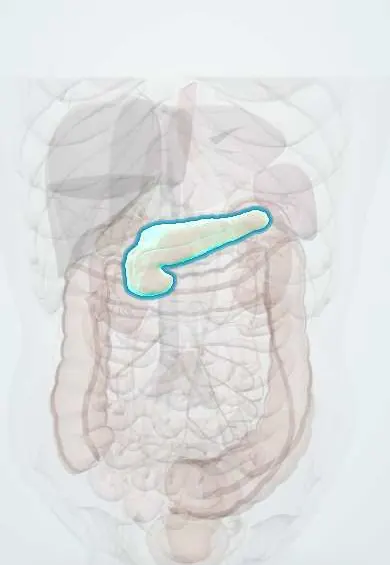
Without LPL chylomicron triglyceride is not hydrolysed: particles accumulate and plasma turns milky, with triglycerides often above 1000 mg/dL. In the pancreas, pancreatic lipase frees fatty acids from this triglyceride that injure the tissue and cause pancreatitis; the excess deposits in skin (eruptive xanthomas), liver and spleen.
Symptoms and signs
- Recurrent abdominal pain
- Repeated acute pancreatitis
- Eruptive xanthomas (yellow papules on buttocks, back and elbows)
- Hepatosplenomegaly
- Lipaemia retinalis (creamy-white retinal vessels)
Diagnosis
- Clinical
- Recurrent pancreatitis or abdominal pain from childhood with milky plasma and eruptive xanthomas.
- Tests
- Very high fasting triglycerides with chylomicrons (creamy layer on refrigerated serum); amylase and lipase during attacks; post-heparin LPL activity; genetic testing of LPL, APOC2, GPIHBP1, APOA5 and LMF1.
- Imaging
- Abdominal ultrasound or CT for pancreatitis, liver and spleen; fundus examination for lipaemia retinalis.
Treatment
- Lifestyle
- Very-low-fat diet with dietitian support and no alcohol
- Medical
- Medium-chain triglycerides in the diet (absorbed without chylomicrons) and fat-soluble vitamins as needed
- Medical
- Drugs against ApoC-III (volanesorsen, olezarsen) where approved
- Acute
- Acute pancreatitis care: bowel rest, fluids and analgesia; sometimes plasmapheresis to lower triglycerides
- Follow-up
- Triglyceride follow-up, especially in pregnancy
Complications
- Necrotising pancreatitis
- Chronic pancreatitis and pancreatic insufficiency
- Diabetes from pancreatic damage
Prognosis
A strict diet reduces pancreatitis; the outlook depends mainly on preventing it.
Test yourself
Think of the answer, then tap the question to see it.
Which lipoprotein builds up in lipoprotein lipase deficiency?
Chylomicrons (type I hyperlipoproteinaemia).
What is the most dangerous complication of this syndrome?
Acute pancreatitis, driven by extremely high triglycerides.
Why are medium-chain triglycerides used in the diet?
They are absorbed straight into the portal vein without forming chylomicrons, so they do not need LPL.
Why do these patients respond poorly to fibrates and statins?
These drugs work through LPL or the LDL receptor; without working LPL they cannot clear chylomicrons.
Related conditions
Educational information, not medical advice. For any symptom, see a health professional.
Sources: Familial lipoprotein lipase deficiency: MedlinePlus Genetics (MedlinePlus, US National Library of Medicine, 2026); Familial lipoprotein lipase deficiency: MedlinePlus Medical Encyclopedia (MedlinePlus, US National Library of Medicine, 2026); LPL gene: MedlinePlus Genetics (MedlinePlus, US National Library of Medicine, 2026).
Spotted a mistake?We are always improving for the community. Tell us what is wrong and our team will review it.Report a mistake
Representative model, for educational purposes only.