Conditions · Metabolism: amino acids and the urea cycle
Phenylketonuria (PKU) !
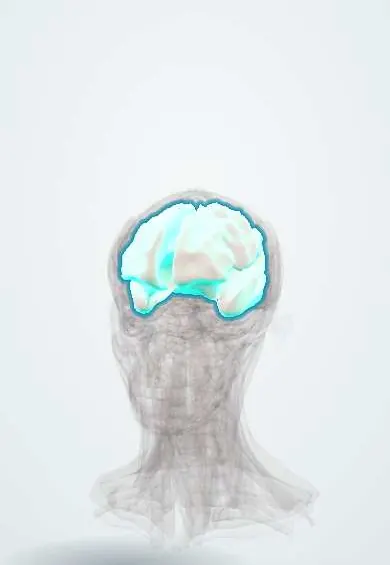
In phenylketonuria the body cannot process the phenylalanine in protein; untreated from birth, it damages the brain.
Updated 2026-11-01
Structures involved
Tap one to see what it is and open it in 3D.
In biochemistry
- Phenylalanine and tyrosine metabolism: Step 1 · Phenylalanine hydroxylase (PAH)
- Phenylalanine
- Tetrahydrobiopterin (BH4)
- Phenylalanine hydroxylase (PAH)
- Newborn screening
- Chromatography
- Amino acids: structure, charge and pKa
In embryology
Why it happens
- How a single gene causes disease: enzymes, receptors and structural proteins
- Mendelian inheritance: autosomal dominant, recessive and X-linked
What it is
An inherited disease in which liver phenylalanine hydroxylase activity is missing. Phenylalanine rises in blood and is toxic to the developing brain.
Who gets it
Its frequency varies by population; in the United States it is about 1 in 25,000 newborns. In Colombia, Law 1980 of 2019 created the newborn screening programme, which allows detection at birth.
Causes
- Variants in both alleles of the PAH gene (autosomal recessive)
- Less often, defects in BH4 synthesis or recycling
Risk factors
- Carrier parents
- Consanguinity
Pathophysiology
Without phenylalanine hydroxylase, phenylalanine is not turned into tyrosine. It builds up and is shunted to phenylpyruvate and phenylacetate, which appear in urine. High phenylalanine competes with other large amino acids for entry into the brain, disturbs myelin and lowers dopamine and serotonin synthesis. Lack of tyrosine reduces melanin.
Classification
- Classic PKU: almost no activity, very high phenylalanine
- Mild or moderate PKU
- Mild hyperphenylalaninaemia
- Hyperphenylalaninaemia from BH4 deficiency
Symptoms and signs
- Untreated: developmental delay and intellectual disability
- Musty or mousy odour of urine, skin and sweat
- Lighter skin, hair and eyes
- Eczema
- Seizures and behaviour problems
Diagnosis
- Clinical
- Today it is almost always found by newborn screening, before symptoms.
- Tests
- Phenylalanine on a heel-prick blood spot, then in plasma; high phenylalanine/tyrosine ratio; pterin and dihydropteridine reductase tests to rule out BH4 deficiency; PAH gene testing.
- Imaging
- Brain MRI may show white matter changes in poorly controlled patients; it is not needed for diagnosis.
Treatment
- Lifestyle
- Lifelong low-phenylalanine diet, with a special phenylalanine-free amino acid formula and low-protein foods
- Medical
- Sapropterin (BH4) in patients who respond
- Medical
- Pegvaliase, an enzyme that breaks down phenylalanine, in selected adults
- Follow-up
- Regular blood phenylalanine checks, stricter before and during pregnancy
Complications
- Irreversible intellectual disability if treatment starts late
- Maternal PKU syndrome in the child: microcephaly, heart disease and low birth weight
- Anxiety, depression and attention problems in poorly controlled adults
Prognosis
With treatment from the first weeks of life, intellectual development is usually normal.
Prevention
- Universal newborn screening
- Phenylalanine control before conception in women with PKU
- Genetic counselling
Test yourself
Think of the answer, then tap the question to see it.
Which enzyme is missing in classic phenylketonuria?
Liver phenylalanine hydroxylase, which turns phenylalanine into tyrosine.
Why do untreated patients have light skin and hair?
Tyrosine is short and high phenylalanine inhibits tyrosinase, so less melanin is made.
What is maternal PKU syndrome?
Harm to the fetus (microcephaly, heart disease, intellectual disability) when a mother with PKU has high phenylalanine in pregnancy.
Why is BH4 deficiency ruled out in every newborn with high phenylalanine?
Because dopamine and serotonin synthesis also fail and the treatment is different.
Related conditions
Educational information, not medical advice. For any symptom, see a health professional.
Sources: Phenylketonuria: MedlinePlus Genetics (MedlinePlus, US National Library of Medicine, 2026); PAH gene: MedlinePlus Genetics (MedlinePlus, US National Library of Medicine, 2026); Newborn screening tests: MedlinePlus Medical Encyclopedia (MedlinePlus, US National Library of Medicine, 2026).
Spotted a mistake?We are always improving for the community. Tell us what is wrong and our team will review it.Report a mistake
Representative model, for educational purposes only.