Epilepsy and seizures !
Epilepsy is a brain condition with a lasting tendency to seizures, brief bursts of abnormal electrical activity that change movement or awareness.
Updated 2026-10-30
Structures involved
Tap one to see what it is and open it in 3D.
In biochemistry
Microorganisms that cause it
In histology
In embryology
In physiology
- The main neurotransmitters
- Wakefulness, sleep, the EEG and seizures
- The limbic system, emotion and reward
Why it happens
What it is
A brain disorder with an enduring tendency to unprovoked seizures. A seizure is a transient burst of abnormal, excessive synchronous neuronal activity; seizures may be focal or generalised.
Who gets it
Affects people of all ages, with peaks in childhood and older age. In Latin America, neurocysticercosis is an important preventable cause of acquired epilepsy, alongside head injury and stroke. Global Burden of Disease estimates put people with active epilepsy in Latin America and the Caribbean at 6.3 million in 2019; the region's burden fell about 20% since 1990.
Causes
- Structural: stroke, head injury, tumour, hippocampal sclerosis, malformations
- Infectious: neurocysticercosis, meningitis, encephalitis
- Genetic epilepsy syndromes
- Metabolic and immune causes
- Unknown in many patients
Risk factors
- Head injury
- Stroke and dementia in older adults
- Central nervous system infection
- Perinatal brain injury and febrile seizures
- Family history
Pathophysiology
An imbalance between excitatory (glutamate) and inhibitory (GABA) signalling lets neurons fire in excessive synchrony. Focal seizures start in one network of one hemisphere, often the temporal lobe; generalised seizures engage both hemispheres from onset. A focal seizure can spread to become bilateral tonic–clonic.
Classification
- Focal onset: aware or impaired awareness; motor or non-motor
- Focal to bilateral tonic–clonic
- Generalised onset: tonic–clonic, absence, myoclonic, atonic
- Provoked (acute symptomatic) seizure vs epilepsy (recurrent unprovoked seizures)
- Status epilepticus: prolonged or repeated seizures without recovery
Symptoms and signs
- Generalised tonic–clonic: sudden loss of consciousness, stiffening then rhythmic jerking
- Lateral tongue biting, incontinence, post-ictal confusion and sleepiness
- Focal: déjà vu, rising epigastric feeling, automatisms (lip smacking), jerking of one limb
- Absence: brief staring spells in children
- Todd paralysis: temporary weakness after a seizure
Diagnosis
- Clinical
- A detailed witness account is key. Epilepsy is diagnosed after two unprovoked seizures more than 24 hours apart, or one with a high recurrence risk, or an epilepsy syndrome.
- Tests
- Glucose, electrolytes (sodium, calcium, magnesium), toxicology and pregnancy test after a first seizure; ECG to exclude cardiac syncope. EEG helps classify the seizure type and syndrome; a normal EEG does not exclude epilepsy.
- Imaging
- MRI of the brain is the preferred study for structural causes; CT is used in emergencies. Neurocysticercosis cysts and calcifications appear on CT or MRI.
Differential diagnosis
- Syncope (convulsive syncope)
- Psychogenic non-epileptic seizures
- Hypoglycaemia and other metabolic disturbances
- Transient ischaemic attack
- Migraine with aura
- Sleep disorders
Goal of treatment
Achieve seizure freedom with the fewest side effects, treat the underlying cause, and support safety, work, study and driving decisions.
Treatment
- Acute
- Status epilepticus is an emergency: airway, oxygen, glucose, then a benzodiazepine, followed by a second-line intravenous antiseizure medicine and intensive care if seizures continue.
- Medical
- Long-term antiseizure medicines chosen by seizure type, age, sex and other conditions; monotherapy first. Some agents are avoided in pregnancy.
- Surgical
- Epilepsy surgery (e.g. temporal lobectomy) for selected drug-resistant focal epilepsy.
- Procedure
- Vagus nerve stimulation or ketogenic diet in selected drug-resistant cases.
- Lifestyle
- Regular sleep, limiting alcohol, safety around water and heights, and local driving rules.
Drugs for this condition
- Carbamazepine
- Valproic acid
- Phenytoin
- Lamotrigine
- Levetiracetam
- Phenobarbital
- Ethosuximide
- Topiramate
- Gabapentin
- Pregabalin
- Fosphenytoin
- Lacosamide
- Oxcarbazepine
- Clobazam
- Felbamate
- Tiagabine
- Vigabatrin
- Zonisamide
- Clonazepam
- Acetazolamide
Complications
- Status epilepticus
- Injuries, burns and drowning
- Sudden unexpected death in epilepsy (SUDEP)
- Medication side effects and teratogenicity
- Depression, anxiety and stigma
Prognosis
Most people become seizure-free with medicines. About a third have drug-resistant epilepsy, defined as failure of two appropriate medicines; some of them benefit from surgery.
Prevention
- Preventing head injury and stroke
- Sanitation and hygiene to prevent neurocysticercosis
- Good perinatal care
- Vaccination against meningitis
Test yourself
Think of the answer, then tap the question to see it.
What is the operational definition of epilepsy?
Two unprovoked seizures over 24 hours apart, one unprovoked seizure with high recurrence risk, or an epilepsy syndrome.
When is a seizure treated as status epilepticus in practice?
When it lasts about 5 minutes or longer, or seizures recur without recovery between them.
What is the first-line drug class for status epilepticus?
Benzodiazepines.
Which lobe is most often the origin of focal seizures with impaired awareness?
The temporal lobe, often from hippocampal sclerosis.
Does a normal EEG exclude epilepsy?
No. An interictal EEG is often normal; the diagnosis is mainly clinical.
Related conditions
- Neurocysticercosis
- Traumatic brain injury
- Ischaemic stroke
- Bacterial meningitis
- Migraine
- Transient ischaemic attack
- Glioblastoma
Educational information, not medical advice. For any symptom, see a health professional.
Sources: Generalized Tonic-Clonic Seizure (StatPearls (NCBI Bookshelf), 2023); Focal Onset Seizure (StatPearls (NCBI Bookshelf), 2023); Burden of epilepsy in Latin America and The Caribbean: a trend analysis of the Global Burden of Disease Study 1990 - 2019 (Lancet regional health. Americas, 2022) · adapted, CC BY 4.0.
Spotted a mistake?We are always improving for the community. Tell us what is wrong and our team will review it.Report a mistake
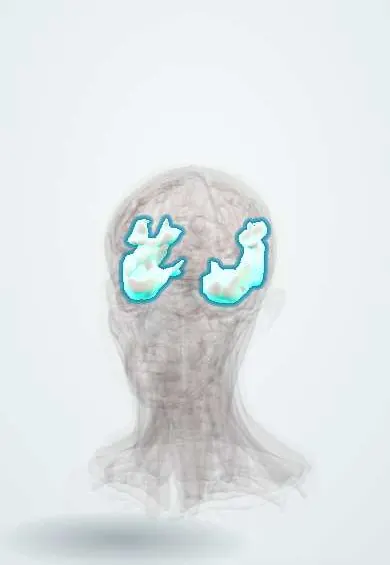
Representative model, for educational purposes only.