Conditions · Pediatrics and neonatology
Sudden infant death syndrome (SIDS) !
SIDS is the sudden, unexplained death of a healthy-seeming baby under one year, usually during sleep. Safe sleep on the back lowers the risk.
Updated 2026-11-01
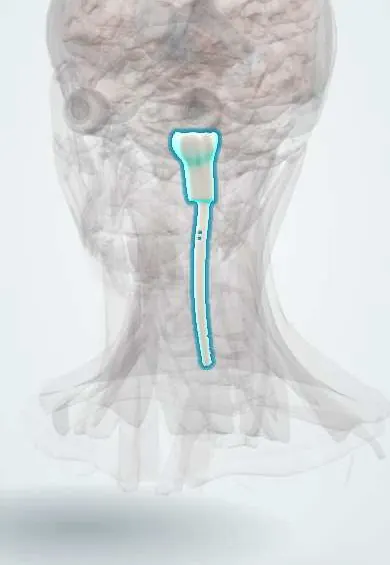
Structures involved
Tap one to see what it is and open it in 3D.
In embryology
Why it happens
- Sudden infant death syndrome: what is known
- The autopsy: clinical and medicolegal
- Control of breathing, chemoreceptors and lung reflexes
What it is
The sudden death of an infant under 1 year of age, usually during sleep, that remains unexplained after a full investigation including autopsy, review of the death scene and the clinical history. It is part of the wider group of sudden unexpected infant deaths.
Who gets it
A leading cause of death between 1 month and 1 year of age, with a peak at 2–4 months; about 90% occur before 6 months. Rates fell sharply worldwide after back-to-sleep campaigns. In Colombia and Latin America, bed-sharing, prone sleeping and smoke exposure remain common risks, and many sudden deaths are not certified as SIDS, so the true rate is uncertain.
Causes
- Unknown; best explained by a triple-risk model: a vulnerable infant, a critical developmental period and an external stressor
- Abnormal brainstem (medullary serotonergic) control of breathing, arousal and heart rate in some infants
Risk factors
- Prone (face-down) or side sleeping
- Soft surfaces, loose bedding, pillows or toys in the sleep space
- Bed-sharing, especially with a smoker, an adult under alcohol or sedative effect, or on a sofa
- Maternal smoking in pregnancy and smoke exposure after birth
- Prematurity and low birth weight; male sex
- Overheating and overwrapping
- Young maternal age and little prenatal care
Pathophysiology
In a vulnerable infant, an external stressor such as face-down sleeping or covering of the face leads to rebreathing of exhaled air, hypoxia and hypercapnia. A normal infant would wake and turn the head; in SIDS, immature or abnormal brainstem arousal and cardiorespiratory reflexes fail, leading to apnoea, bradycardia and death.
Symptoms and signs
- No warning signs: a previously well-appearing infant is found dead or unresponsive, usually after being put down to sleep
- Autopsy shows no explanatory cause; petechiae on the thoracic organs may be found
Diagnosis
- Clinical
- A diagnosis of exclusion made after death: full autopsy, a death-scene investigation and review of the medical and family history. Clinicians apply a standard protocol for any sudden unexpected infant death, which includes forensic notification.
- Tests
- Post-mortem toxicology, microbiology, metabolic screening (e.g. fatty-acid oxidation disorders) and, when relevant, genetic testing for cardiac channelopathies.
- Imaging
- Post-mortem skeletal survey to exclude fractures; CT or MRI may support the autopsy.
Differential diagnosis
- Accidental suffocation or strangulation in bed
- Abusive injury, including abusive head trauma or smothering
- Overwhelming infection (sepsis, meningitis, myocarditis)
- Inborn errors of metabolism
- Cardiac arrhythmias such as long QT syndrome
Goal of treatment
There is no treatment once it has happened; the aim is prevention through safe-sleep education, plus compassionate support for the family and a full, non-judgemental investigation.
Treatment
- Acute
- Resuscitation is attempted when the infant is found unresponsive, following paediatric life-support protocols.
- Lifestyle
- Safe-sleep counselling for every family (an NCLEX nursing priority): baby on the back for every sleep, a firm flat separate surface, room-sharing without bed-sharing, no soft objects, no smoke exposure, avoid overheating.
- Follow-up
- Bereavement support, grief counselling and follow-up for the family; home cardiorespiratory monitors are not recommended as a SIDS prevention strategy.
Complications
- Intense parental grief, guilt and depression
- Anxiety in later pregnancies and with siblings
Prognosis
Fatal by definition. Risk falls substantially with safe-sleep practices, breastfeeding and a smoke-free environment, and becomes very low after the first year.
Prevention
- Back to sleep for every sleep, including naps; supervised tummy time while awake
- Firm, flat mattress with a fitted sheet and no pillows, bumpers, blankets or toys
- Room-sharing on a separate surface for at least the first 6 months; avoid sofas and adult beds
- Breastfeeding and complete immunisation
- No smoking in pregnancy or around the baby; no alcohol or sedatives in caregivers who share a room
- Avoid overheating; consider a pacifier at sleep time
Test yourself
Think of the answer, then tap the question to see it.
At what age does SIDS peak?
Between 2 and 4 months of age; most cases occur before 6 months.
What is the single most important safe-sleep recommendation to reduce SIDS?
Placing the infant on the back (supine) for every sleep.
Why is SIDS called a diagnosis of exclusion?
It is made only after autopsy, death-scene investigation and history review find no other cause.
Which brain region is implicated in SIDS research?
The brainstem (medulla), with abnormal serotonergic control of breathing and arousal.
What are three modifiable risk factors for SIDS?
Prone sleeping, soft bedding or bed-sharing, and tobacco smoke exposure (also overheating).
Related conditions
Educational information, not medical advice. For any symptom, see a health professional.
Sources: Sudden Infant Death Syndrome (MedlinePlus, US National Library of Medicine, 2026).
Spotted a mistake?We are always improving for the community. Tell us what is wrong and our team will review it.Report a mistake
Representative model, for educational purposes only.