Conditions · Vitamins and minerals
Vitamin A deficiency (night blindness and xerophthalmia) !
Lack of vitamin A starts with night blindness and can dry out and destroy the cornea; it also makes childhood infections worse.
Updated 2026-11-01
Structures involved
Tap one to see what it is and open it in 3D.
In biochemistry
In physiology
Why it happens
- Vitamin deficiencies: what each one does to tissue
- Severe acute malnutrition: marasmus and kwashiorkor
- Metaplasia
What it is
A shortage of retinol that disturbs dim-light vision and the epithelia of the eye and body. It is the world's leading preventable cause of childhood blindness.
Who gets it
It mainly affects preschool children and pregnant women in low-income countries (sub-Saharan Africa and South Asia). In Latin America it persists in rural, Indigenous and poor pockets; in Colombia the national nutrition survey (ENSIN) has documented it in young children.
Causes
- Diet low in animal foods and coloured fruit and vegetables
- Fat malabsorption: cystic fibrosis, cholestasis, coeliac disease, bariatric surgery
- Infections that consume it: measles, repeated diarrhoea
- Protein malnutrition (retinol-binding protein is lacking) and zinc deficiency
Risk factors
- Children under 5
- Pregnancy and breastfeeding in poor populations
- Early weaning
- Chronic liver disease and alcoholism
Pathophysiology
Without retinal, rods cannot regenerate rhodopsin after light exposure: night vision fails first. Without retinoic acid, epithelia stop making mucus and keratinise (squamous metaplasia): the conjunctiva dries (xerosis), Bitot spots appear and the cornea ulcerates and liquefies (keratomalacia). Respiratory and gut epithelia are damaged too and immunity falls, which is why measles and diarrhoea are more severe.
Classification
- XN: night blindness
- X1A/X1B: conjunctival xerosis and Bitot spots
- X2: corneal xerosis
- X3A/X3B: corneal ulcer and keratomalacia
- XS: corneal scar; XF: xerophthalmic fundus
Symptoms and signs
- Trouble seeing at dusk or in dim light
- Dry, dull eyes; photophobia
- Foamy grey patches on the conjunctiva (Bitot spots)
- Dry, rough skin with keratinised follicles
- Frequent respiratory infections and diarrhoea
Diagnosis
- Clinical
- History of night blindness and an eye exam showing signs of xerophthalmia in an at-risk child; in endemic areas treatment starts without waiting for tests.
- Tests
- Serum retinol (low), retinol-binding protein, C-reactive protein to interpret the value; zinc and albumin.
- Imaging
- Not needed; slit-lamp exam with fluorescein staining shows a corneal ulcer.
Treatment
- Medical
- Vitamin A supplement following WHO age-based schedules, repeated on the following days if the eye is affected
- Medical
- Treat associated infection (measles, diarrhoea) and malnutrition; correct zinc if lacking
- Procedure
- Corneal lubrication and topical antibiotic; urgent ophthalmology review for ulcer or keratomalacia
- Lifestyle
- Diet with vitamin A or carotene-rich foods and breastfeeding
Complications
- Permanent blindness from corneal scarring or perforation
- Higher mortality from measles, diarrhoea and pneumonia
- Anaemia (vitamin A helps mobilise iron)
Prognosis
Night blindness and conjunctival xerosis reverse quickly with treatment; deep corneal lesions leave scars.
Prevention
- Periodic supplementation of children aged 6 to 59 months where deficiency is a public health problem
- Breastfeeding
- Fortified foods and varied diets
Test yourself
Think of the answer, then tap the question to see it.
Why is night blindness the first symptom of vitamin A deficiency?
Rods need 11-cis-retinal to regenerate rhodopsin; without it they cannot adapt to darkness.
What are Bitot spots?
Foamy grey patches of keratinised epithelium on the bulbar conjunctiva; they indicate xerophthalmia.
Why are children with measles given vitamin A?
Deficiency worsens measles and measles deepens the deficiency; the supplement reduces blindness and death.
Which eye lesion is an emergency?
Keratomalacia: the cornea softens and can perforate quickly, causing permanent blindness.
Related conditions
Educational information, not medical advice. For any symptom, see a health professional.
Sources: Vitamin A deficiency (World Health Organization, 2026); Vision - night blindness: MedlinePlus Medical Encyclopedia (MedlinePlus, US National Library of Medicine, 2026); Vitamin A: MedlinePlus Medical Encyclopedia (MedlinePlus, US National Library of Medicine, 2026); Vitamin A blood test: MedlinePlus Medical Encyclopedia (MedlinePlus, US National Library of Medicine, 2026); Textbook of Biochemistry for Medical Students, 6th ed. (Jaypee Brothers Medical Publishers (Vasudevan DM, Sreekumari S, Vaidyanathan K), 2011).
Spotted a mistake?We are always improving for the community. Tell us what is wrong and our team will review it.Report a mistake
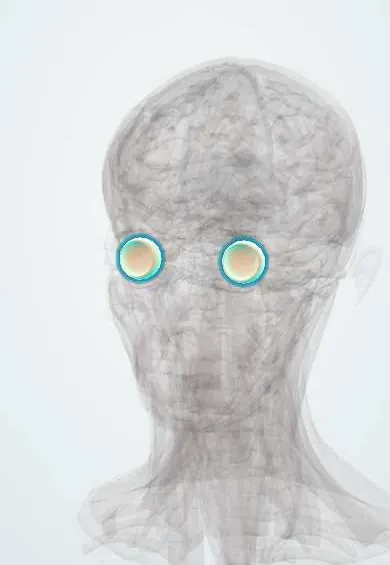
Representative model, for educational purposes only.