Conditions · Metabolism (biochemistry)
Arsenic poisoning !
Arsenic is a poison found in some groundwater and in mining; it blocks how cells make energy.
Updated 2026-10-31
Structures involved
Tap one to see what it is and open it in 3D.
In biochemistry
- Glycolysis: Step 6 · Glyceraldehyde-3-phosphate dehydrogenase
- Glyceraldehyde-3-phosphate dehydrogenase (GAPDH)
- Pyruvate dehydrogenase complex (PDH)
- α-Ketoglutarate dehydrogenase
Why it happens
What it is
Acute or chronic poisoning by arsenic compounds. The most common chronic exposure is contaminated well water; it is a recognised carcinogen.
Who gets it
WHO estimates at least 140 million people in 50 countries drink water with arsenic above the guideline value. Latin America has affected areas in Argentina, Chile, Mexico and Peru, and it has been measured in Colombian mining areas.
Causes
- Well water with natural arsenic
- Gold mining and smelting
- Old pesticides and wood preservatives
- Deliberate poisoning
- Arsenic trioxide used as a medicine (promyelocytic leukemia)
Risk factors
- Drinking untested well water in risk areas
- Working in mining, smelting or with pesticides
Pathophysiology
Arsenite (As³⁺) binds the paired thiols of lipoic acid and blocks pyruvate dehydrogenase and α-ketoglutarate dehydrogenase: the Krebs cycle fails and lactate rises. Arsenate (As⁵⁺) mimics phosphate: at GAPDH it forms an unstable product and glycolysis leaves no ATP. Over time it damages skin, peripheral nerves, vessels and DNA.
Classification
- Acute: hours to days after a high dose
- Chronic: years of low exposure (arsenicosis)
Symptoms and signs
- Acute: vomiting, abdominal pain, severe watery diarrhea, garlic-smelling breath
- Acute: arrhythmias (long QT), low blood pressure, seizures
- Chronic: dark and light skin spots and thickened palms and soles
- Chronic: tingling and burning in feet and hands (stocking-and-glove neuropathy)
- White transverse lines on the nails (Mees lines)
Diagnosis
- Clinical
- Known or likely exposure with acute gut symptoms, or skin changes and neuropathy in the chronic form.
- Tests
- 24-hour urine arsenic with speciation (seafood arsenobetaine is non-toxic); blood in the first hours; hair and nails for past exposure. ECG, electrolytes, kidney and liver tests, blood count.
- Imaging
- An abdominal X-ray may show radiopaque material after an acute ingestion.
Treatment
- Acute
- Urgent support: fluids, electrolyte correction and cardiac monitoring
- Medical
- Chelators (dimercaprol, DMSA or DMPS) by severity, guided by toxicology
- Lifestyle
- Remove the source: safe water, workplace protection
- Follow-up
- Surveillance of skin and of lung and bladder cancers after chronic exposure
Drugs for this condition
Complications
- Skin, lung and bladder cancer
- Lasting peripheral neuropathy
- Vascular disease (blackfoot disease)
- Diabetes linked to chronic exposure
Prevention
- Test well water in risk areas
- Safety standards in mining
Test yourself
Think of the answer, then tap the question to see it.
Which enzymes does arsenite block and why?
Pyruvate dehydrogenase and α-ketoglutarate dehydrogenase: it binds the lipoic acid in both.
Which glycolysis step does arsenate uncouple?
The GAPDH step (step 6): it replaces phosphate and the ATP of step 7 is lost.
Which nail finding suggests arsenic poisoning?
Mees lines: white transverse bands.
Educational information, not medical advice. For any symptom, see a health professional.
Sources: Arsenic (World Health Organization, 2026); Textbook of Biochemistry for Medical Students, 6th ed. (Jaypee Brothers Medical Publishers (Vasudevan DM, Sreekumari S, Vaidyanathan K), 2011).
Spotted a mistake?We are always improving for the community. Tell us what is wrong and our team will review it.Report a mistake
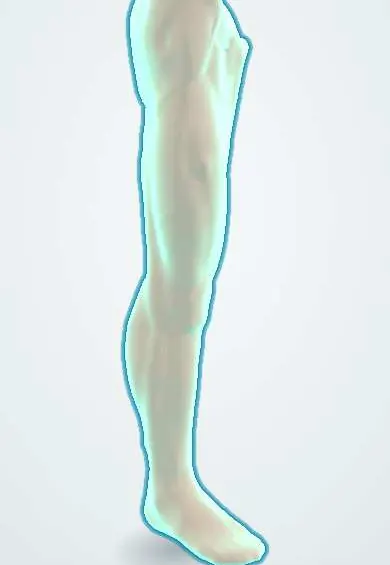
Representative model, for educational purposes only.