Conditions · Obstetrics and gynecology
Cervical insufficiency !
The cervix opens too early and painlessly in mid-pregnancy, which can cause pregnancy loss or very preterm birth.
Updated 2026-11-01
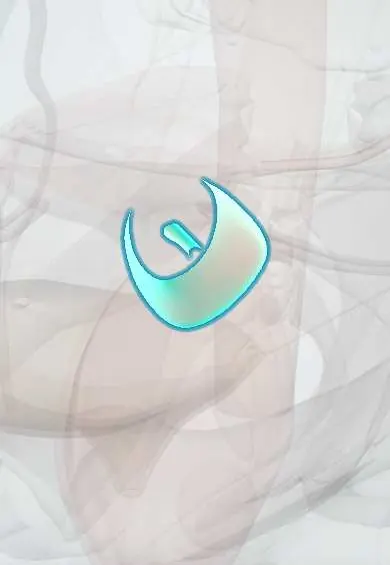
Structures involved
Tap one to see what it is and open it in 3D.
Why it happens
What it is
Painless dilation of the cervix in the second trimester, without contractions or labour, that leads to bulging membranes and loss of the pregnancy or very preterm birth. It is also called incompetent cervix.
Who gets it
Uncommon (estimates range widely) but an important cause of recurrent second-trimester loss. Diagnosis is often made only after a first loss.
Causes
- Congenital: Müllerian anomalies, collagen disorders (e.g. Ehlers-Danlos)
- Acquired: cervical surgery such as cone biopsy, LEEP or trachelectomy
- Deep cervical lacerations from previous deliveries
- Repeated mechanical dilation of the cervix
- Often no identifiable cause
Risk factors
- Previous painless second-trimester loss or very preterm birth
- Previous cone biopsy or excisional treatment for cervical dysplasia
- Uterine malformations
- Multiple pregnancy
- Previous cervical trauma at delivery
Pathophysiology
The cervix is mostly connective tissue that normally stays closed and firm until term. Structural weakness from surgery, trauma or congenital collagen defects, often with inflammation or early ripening, lets it shorten and dilate under the weight of the growing pregnancy, without contractions. Membranes then prolapse through the cervix, become exposed to vaginal bacteria and may rupture, leading to infection and delivery.
Classification
- History-indicated (one or more prior painless second-trimester losses)
- Ultrasound-indicated (short cervix on transvaginal ultrasound with risk history)
- Physical exam-indicated (painless dilation found on examination in the second trimester)
Symptoms and signs
- Often no symptoms
- Pelvic pressure or heaviness
- Increased vaginal discharge, change in discharge
- Mild cramping or backache
- Light spotting
Diagnosis
- Clinical
- Based on history of painless second-trimester loss and on speculum or digital examination showing a dilated cervix with or without bulging membranes, in the absence of contractions, bleeding or infection.
- Tests
- Screening for infection (urine culture, vaginal infections) and, when membranes are exposed, assessment for intra-amniotic infection before cerclage.
- Imaging
- Transvaginal ultrasound measurement of cervical length; a short cervix (about 25 mm or less) before 24 weeks, funnelling or membranes in the canal support the diagnosis.
Differential diagnosis
- Preterm labour (contractions present)
- Preterm prelabour rupture of membranes
- Placental abruption
- Intra-amniotic infection (chorioamnionitis)
- Cervical polyp or cervicitis causing discharge or spotting
Goal of treatment
Keep the cervix closed and prolong pregnancy to a viable, more mature gestational age while preventing infection.
Treatment
- Surgical
- Cervical cerclage: a stitch placed around the cervix (usually vaginally, around the end of the first trimester when history-indicated), removed at about 36–37 weeks or in labour.
- Medical
- Vaginal progesterone for women with a short cervix found on ultrasound, to reduce preterm birth.
- Medical
- Antenatal corticosteroids and magnesium sulfate for neuroprotection if delivery seems likely at a viable but preterm age.
- Follow-up
- Serial transvaginal cervical length measurements in women at risk; teach warning signs (fluid leakage, bleeding, contractions, fever).
Complications
- Second-trimester pregnancy loss
- Very preterm birth and its neonatal complications
- Preterm rupture of membranes and chorioamnionitis
- Cerclage complications: bleeding, infection, membrane rupture, cervical laceration
Prognosis
With timely cerclage or progesterone in selected women, many pregnancies continue to a viable gestational age. The condition tends to recur in later pregnancies, so early planning and monitoring are needed.
Prevention
- Limit excisional cervical procedures to those that are necessary
- Early antenatal care with history-based screening
- Cervical length screening in women at risk
Test yourself
Think of the answer, then tap the question to see it.
What is the classic presentation of cervical insufficiency?
Painless cervical dilation in the second trimester without contractions, often with bulging membranes.
What is the main surgical treatment?
Cervical cerclage (a stitch around the cervix), removed at about 36–37 weeks.
Which ultrasound finding suggests risk before 24 weeks?
Short cervical length on transvaginal ultrasound (about 25 mm or less), often with funnelling.
What is an acquired risk factor for cervical insufficiency?
Previous cone biopsy or LEEP for cervical dysplasia.
Which medicine is used for a short cervix found on ultrasound?
Vaginal progesterone.
Related conditions
- Preterm labour and birth
- Premature rupture of membranes (PROM and PPROM)
- Miscarriage (early pregnancy loss)
- Chorioamnionitis (intra-amniotic infection)
- Multiple pregnancy and twin–twin transfusion syndrome
- Cervical cancer
Educational information, not medical advice. For any symptom, see a health professional.
Sources: Cervical Insufficiency (MSD Manual Professional Edition, 2024); Insufficient cervix (MedlinePlus (U.S. National Library of Medicine), 2024).
Spotted a mistake?We are always improving for the community. Tell us what is wrong and our team will review it.Report a mistake
Representative model, for educational purposes only.