Conditions · Obstetrics and gynecology
Chorioamnionitis (intra-amniotic infection) !
Chorioamnionitis is an infection of the amniotic fluid, membranes and placenta, usually during labour or after the waters break. It needs prompt antibiotics.
Updated 2026-11-01
Structures involved
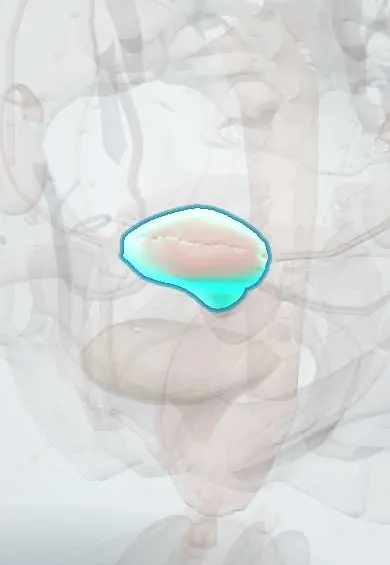
Tap one to see what it is and open it in 3D.
Why it happens
- Patterns of acute inflammation: serous, fibrinous, purulent, abscess, ulcer
- Arachidonic acid metabolites in inflammation, and the drugs that block them
- Parturition: onset and uterine contraction
- Placenta
What it is
Infection and inflammation of the amniotic fluid, chorion and amnion, and often the placenta and umbilical cord, most often diagnosed during labour. The current preferred term is intra-amniotic infection; the word chorioamnionitis is also used for the inflammation seen by the pathologist on the placenta.
Who gets it
Diagnosed clinically in roughly 1–4% of term births and in a much larger share of preterm births, where it is a major cause of preterm labour. Maternal infection is the third most common direct cause of maternal death worldwide, and intra-amniotic infection is a leading cause of early-onset neonatal sepsis.
Causes
- Ascending infection from the vagina and cervix, usually polymicrobial
- Common organisms: genital mycoplasmas (Ureaplasma, Mycoplasma), anaerobes, Gardnerella, group B Streptococcus and Escherichia coli
- Rarely blood-borne (Listeria monocytogenes) or after invasive procedures such as amniocentesis
Risk factors
- Prolonged rupture of membranes, especially more than 18 hours
- Prolonged labour
- Multiple vaginal examinations after rupture of membranes
- Internal fetal or uterine monitoring
- Preterm labour and preterm premature rupture of membranes
- Group B Streptococcus colonisation, bacterial vaginosis or other genital infection
- Meconium-stained amniotic fluid, nulliparity and smoking
Pathophysiology
Bacteria ascend through the cervix into the space between the membranes and the decidua, cross the membranes into the amniotic fluid and can reach the fetus. The resulting inflammatory response (cytokines and prostaglandins) softens the cervix, weakens the membranes and triggers contractions, explaining the link with preterm labour. The fetal inflammatory response can injure the fetal brain and lungs.
Classification
- Isolated maternal fever (temperature raised without other findings)
- Suspected intra-amniotic infection (fever plus clinical signs)
- Confirmed intra-amniotic infection (positive amniotic fluid tests or placental pathology)
Symptoms and signs
- Maternal fever during labour or after rupture of membranes
- Maternal tachycardia
- Fetal tachycardia on monitoring
- Uterine tenderness between contractions
- Foul-smelling or purulent amniotic fluid or vaginal discharge
Diagnosis
- Clinical
- Mainly clinical: maternal fever during labour with one or more of fetal tachycardia, raised maternal white count, purulent fluid from the cervix, or uterine tenderness, once other causes of fever have been considered.
- Tests
- Complete blood count (leucocytosis is supportive but common in normal labour), blood cultures if sepsis is suspected, and lactate. Amniocentesis with Gram stain, glucose, white cells and culture is used mainly in preterm cases. Placental histology confirms the diagnosis after birth.
- Imaging
- No specific imaging. Ultrasound and continuous fetal heart monitoring assess the fetus; imaging is used postpartum only if an abscess or another source is suspected.
Differential diagnosis
- Epidural-related fever
- Urinary tract infection or acute pyelonephritis
- Influenza, COVID-19 or other respiratory infection
- Appendicitis and other intra-abdominal causes
- Placental abruption (pain and tenderness without fever)
Goal of treatment
Treat the infection early to protect mother and newborn, support labour so that delivery is achieved, and alert the neonatal team.
Treatment
- Medical
- Prompt broad-spectrum intravenous antibiotics covering group B Streptococcus, Gram-negative organisms and, after caesarean section, anaerobes (for example, a penicillin or ampicillin with an aminoglycoside, adding anaerobic cover for caesarean).
- Medical
- Antipyretics to lower maternal temperature, which also reduces fetal tachycardia and the risk of fetal injury.
- Procedure
- Expedite delivery, usually vaginally; the infection alone is not an indication for caesarean section, which is reserved for usual obstetric reasons.
- Follow-up
- Nursing priorities: temperature, maternal pulse and blood pressure regularly; continuous fetal heart monitoring; limit vaginal examinations; watch for signs of sepsis and postpartum haemorrhage; inform the neonatal team before birth.
Complications
- Maternal sepsis and septic shock
- Dysfunctional labour and higher caesarean rate
- Postpartum haemorrhage from uterine atony and postpartum endometritis
- Wound infection and pelvic abscess after caesarean section
- Neonatal sepsis, pneumonia and meningitis
- Cerebral palsy and bronchopulmonary dysplasia, especially in preterm infants
Prognosis
With early antibiotics and delivery most mothers recover without lasting harm. Outcome for the baby depends mainly on gestational age and whether neonatal sepsis develops; preterm infants exposed to intra-amniotic infection have higher rates of death and neurological injury.
Prevention
- Screening for group B Streptococcus and intrapartum antibiotic prophylaxis when indicated
- Antibiotics for women with preterm premature rupture of membranes
- Limiting vaginal examinations after rupture of membranes
- Offering induction of labour for prelabour rupture of membranes at term
Test yourself
Think of the answer, then tap the question to see it.
What is the main route of infection in chorioamnionitis?
Ascending infection from the vagina and cervix, usually polymicrobial.
Which classic findings suggest the diagnosis during labour?
Maternal fever plus fetal tachycardia, maternal leucocytosis, purulent fluid or uterine tenderness.
Is chorioamnionitis by itself an indication for caesarean section?
No. Antibiotics are given and delivery is expedited, usually vaginally; caesarean is for standard obstetric indications.
What is the most important risk factor?
Prolonged rupture of the membranes, especially with prolonged labour and many vaginal examinations.
Which neonatal complication must the newborn team watch for?
Early-onset neonatal sepsis; exposed newborns are evaluated and often given antibiotics.
Related conditions
- Premature rupture of membranes (PROM and PPROM)
- Preterm labour and birth
- Puerperal infection (postpartum endometritis and maternal sepsis)
- Neonatal sepsis
- Sepsis and septic shock
- Bacterial vaginosis
- Postpartum haemorrhage
Educational information, not medical advice. For any symptom, see a health professional.
Sources: Neonatal sepsis (MedlinePlus (U.S. National Library of Medicine), 2024); Statement on maternal sepsis (World Health Organization, 2017).
Spotted a mistake?We are always improving for the community. Tell us what is wrong and our team will review it.Report a mistake
Representative model, for educational purposes only.