
Maturity-onset diabetes of the young (MODY)
Diabetes caused by a single dominant gene, often mistaken for type 1 or type 2; the exact gene changes treatment.
What it is
A group of monogenic forms of diabetes with autosomal dominant inheritance, caused by variants in genes that control insulin secretion by the β cell.
Who gets it
About 1–2 % of all diabetes; most cases are not diagnosed.
Causes
- Heterozygous variants in GCK, HNF1A, HNF4A, HNF1B and other β-cell genes
- Autosomal dominant inheritance: diabetes in several generations
Pathophysiology
Glucokinase is the β cell's glucose sensor: GCK variants reset the glucose level at which insulin is released, giving mild, stable fasting hyperglycaemia. HNF1A and HNF4A are transcription factors needed for β-cell function; their loss causes progressive insulin deficiency. HNF1B variants also affect the kidneys and genital tract.
Classification
- GCK-MODY: mild, stable fasting hyperglycaemia from birth, usually needing no treatment
- HNF1A-MODY: progressive diabetes, very sensitive to sulfonylureas, glucose in urine at modest blood glucose
- HNF4A-MODY: similar to HNF1A, with large birth weight and newborn hypoglycaemia
- HNF1B-MODY: diabetes with renal cysts and genital anomalies
Symptoms and signs
- Diabetes diagnosed in youth or young adulthood, often by chance
- Not obese, without signs of insulin resistance
- Strong family history across generations
- Little tendency to ketoacidosis
Diagnosis
- Clinical
- Suspect when diabetes appears young in a lean person with a parent affected, negative islet autoantibodies and preserved C-peptide years after diagnosis.
- Tests
- Genetic testing of MODY genes; islet autoantibodies negative; C-peptide preserved.
- Imaging
- Renal ultrasound in suspected HNF1B-MODY.
Treatment
- Follow-up
- GCK-MODY usually needs no glucose-lowering treatment outside pregnancy.
- Medical
- HNF1A- and HNF4A-MODY respond well to sulfonylureas, often allowing insulin to be stopped.
- Lifestyle
- Healthy diet and activity as in other diabetes.
Complications
- Microvascular complications in progressive forms if poorly controlled
- Misdiagnosis leading to unnecessary insulin
Prognosis
Good with the right diagnosis; GCK-MODY rarely causes complications.
Test yourself
Think of the answer, then tap the question to see it.
Which MODY usually needs no treatment, and why?
GCK-MODY: glucokinase variants only reset the glucose threshold for insulin release, causing mild, stable hyperglycaemia.
Which drug class works especially well in HNF1A-MODY?
Sulfonylureas.
Which findings suggest MODY rather than type 1 diabetes?
Negative islet autoantibodies, preserved C-peptide and dominant inheritance across generations.
Connections
Educational information, not medical advice. For any symptom, see a health professional.
Sources: Maturity-onset diabetes of the young: MedlinePlus Genetics (MedlinePlus, US National Library of Medicine, 2026); GCK gene: MedlinePlus Genetics (MedlinePlus, US National Library of Medicine, 2026); HNF1A gene: MedlinePlus Genetics (MedlinePlus, US National Library of Medicine, 2026).
Spotted a mistake?We are always improving for the community. Tell us what is wrong and our team will review it.Report a mistake
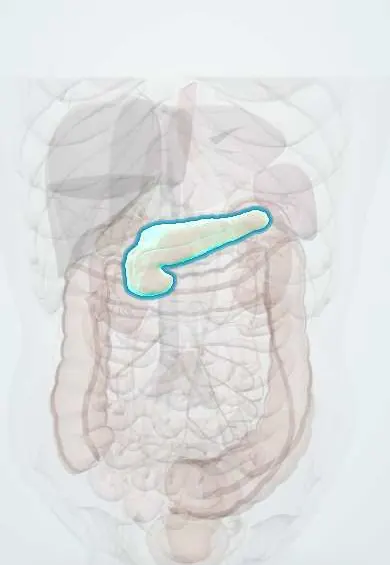
Representative model, for educational purposes only.