Conditions · Systemic conditions
Type 2 diabetes mellitus !
Type 2 diabetes is a long-term disease in which the body resists insulin and the pancreas slowly fails, so blood sugar stays high. It is the main adult form.
Updated 2026-10-30
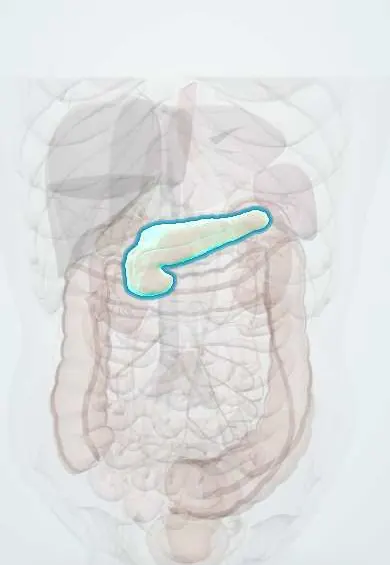
Structures involved
Tap one to see what it is and open it in 3D.
In biochemistry
- Glycolysis: Step 1 · Hexokinase (glucokinase in liver and pancreas)
- Glucose
- Hexokinase
- Phosphoenolpyruvate carboxykinase (PEPCK)
- Glycogen synthase
- Lipoprotein lipase (LPL)
- VLDL (very-low-density lipoprotein)
- Creatinine and estimated glomerular filtration rate (eGFR)
- Glycated haemoglobin (HbA1c)
- Hormone-sensitive lipase (HSL)
- Macronutrients and the energy value of food
- Dietary fibre
- Balanced diet
- Hemoglobin variants (HbA, HbA2, HbF, HbS, HbC)
- Insulin signalling
- Exercise metabolism
- Leptin, appetite and obesity
- AMP-activated protein kinase (AMPK)
- mTOR (mechanistic target of rapamycin)
- Insulin receptor
In histology
In embryology
In the clinical exam
In physiology
- The response to standing up
- Actions of cortisol
- Islets and insulin: secretion and actions
- Physiology of diabetes and ketoacidosis
- Growth hormone and IGF-1
- The endocrine stress response
- The physiological response to hypoglycemia
- Blood glucose, glucose tolerance test and HbA1c
- Appetite hormones: leptin, ghrelin and incretins
- Gastrointestinal hormones
- Gastric motility and emptying
- Energy balance, food intake and obesity
- Types of nerve fibers
- Pain and temperature: pathways and modulation
- The autonomic nervous system: organization
- Sensory receptors, coding and neuronal circuits
- Glucose transport maximum and renal threshold
Why it happens
- Multifactorial (complex) disorders
- Obesity: leptin, adipokines and its consequences
- What delays healing: infection, diabetes, nutrition, glucocorticoids, poor blood flow
- Fatty change (steatosis)
- Endoplasmic reticulum stress and the unfolded protein response
- Diet, cancer and systemic disease
What it is
A chronic metabolic disease in which insulin resistance and a progressive failure of the pancreatic beta cells lead to persistently high blood glucose. It is the most common form of diabetes in adults.
Who gets it
Common worldwide and in Latin America, rising with urbanisation, obesity and ageing. In Peru's CRONICAS cohort (four settings), baseline prevalence was 7.1% and incidence 1.95 per 100 person-years, higher at high altitude; obesity was the main attributable risk. Many people are unaware they have it until a complication appears.
Causes
- Insulin resistance in muscle, liver and fat tissue
- Progressive loss of beta-cell function in the pancreatic islets
- Strong genetic and family component, interacting with lifestyle
Risk factors
- Overweight and central (abdominal) obesity
- Physical inactivity and a diet rich in refined carbohydrates and ultra-processed food
- First-degree relative with diabetes
- Older age, although it is increasingly seen in young adults and adolescents
- Prediabetes or previous gestational diabetes
- Hypertension, dyslipidaemia and polycystic ovary syndrome
Pathophysiology
Tissues respond poorly to insulin, so the pancreas first secretes more to compensate. Over years beta cells fail, the liver keeps releasing glucose and muscle takes up less, and fasting and after-meal glucose rise. Chronic hyperglycaemia damages small vessels (retina, kidney, nerves) and speeds atherosclerosis in large arteries.
Classification
- Prediabetes: impaired fasting glucose or impaired glucose tolerance
- Type 2 diabetes without complications
- Type 2 diabetes with microvascular complications (retinopathy, nephropathy, neuropathy)
- Type 2 diabetes with macrovascular complications (coronary, cerebrovascular, peripheral artery disease)
Symptoms and signs
- Often no symptoms for years; found on screening
- Excessive thirst (polydipsia) and frequent urination (polyuria)
- Fatigue and blurred vision
- Recurrent infections, such as genital candidiasis or skin infections, and slow wound healing
- Numbness, burning or tingling in the feet
- Acanthosis nigricans (dark velvety skin on the neck or armpits) as a sign of insulin resistance
Diagnosis
- Clinical
- History of symptoms and risk factors, weight and waist, blood pressure, and a full foot examination (pulses, monofilament sensation, skin). Many cases are found by screening people at risk.
- Tests
- Fasting plasma glucose, HbA1c and the oral glucose tolerance test (OGTT). Widely used criteria (e.g. ADA) set diabetes at fasting glucose ≥126 mg/dL, HbA1c ≥6.5% or 2-hour OGTT glucose ≥200 mg/dL, usually confirmed on a second test. Also lipids, creatinine with eGFR and the urine albumin-to-creatinine ratio.
- Imaging
- Not needed to diagnose. Dilated fundus examination or retinal photography screens for retinopathy; vascular ultrasound when peripheral artery disease is suspected.
Differential diagnosis
- Type 1 diabetes or latent autoimmune diabetes in adults (LADA)
- Monogenic diabetes (MODY)
- Diabetes secondary to pancreatic disease (chronic pancreatitis, pancreatic cancer)
- Drug-induced hyperglycaemia (glucocorticoids, some antipsychotics)
- Endocrine causes such as Cushing syndrome or acromegaly
Goal of treatment
Keep glucose in a target range set for each person, avoid hypoglycaemia, and reduce cardiovascular risk (blood pressure, lipids, smoking) to prevent micro- and macrovascular complications.
Treatment
- Lifestyle
- Structured diet, regular physical activity, weight loss and stopping smoking are the base of treatment at every stage; diabetes self-management education.
- Medical
- Metformin is the usual first drug. Other classes include SGLT2 inhibitors, GLP-1 receptor agonists, DPP-4 inhibitors, sulfonylureas, thiazolidinediones and insulin; SGLT2 inhibitors and GLP-1 agonists are favoured when there is cardiovascular or kidney disease.
- Medical
- Cardiovascular protection: statins, blood-pressure control (often with ACE inhibitors or ARBs when albuminuria is present) and, in selected people, antiplatelet therapy.
- Follow-up
- Regular HbA1c, kidney function and urine albumin, lipids, yearly eye and foot examinations, and self-monitoring of glucose in those on insulin.
- Surgical
- Metabolic (bariatric) surgery is considered in selected people with obesity whose diabetes is not controlled with other measures.
Drugs for this condition
- Metformin
- Regular human insulin
- Isophane (NPH) insulin
- Insulin glargine
- Insulin lispro
- Insulin aspart
- Insulin degludec
- Insulin detemir
- Insulin glulisine
- Colesevelam
- Empagliflozin
- Dapagliflozin
- Glibenclamide
- Gliclazide
- Liraglutide
- Semaglutide
- Pioglitazone
- Sitagliptin
- Canagliflozin
- Glimepiride
- Glipizide
- Dulaglutide
- Tirzepatide
- Linagliptin
- Acarbose
- Exenatide
- Repaglinide
- Pramlintide
- Rosiglitazone
- Saxagliptin
- Vildagliptin
Complications
- Diabetic retinopathy and macular oedema, a leading cause of preventable blindness; earlier cataract
- Diabetic kidney disease, a leading cause of chronic kidney failure and dialysis
- Peripheral neuropathy and autonomic neuropathy (gastroparesis, erectile dysfunction, orthostatic hypotension)
- Coronary artery disease, stroke and peripheral artery disease
- Diabetic foot: ulcers, infection and amputation
- Hyperosmolar hyperglycaemic state and, less often, diabetic ketoacidosis
- Hypoglycaemia caused by treatment
Prognosis
A chronic, progressive disease that usually needs more treatment over time. Good control of glucose, blood pressure and lipids, plus not smoking, clearly lowers the risk of complications; cardiovascular disease remains the main cause of death.
Prevention
- Weight loss and regular physical activity in people with prediabetes
- Screening of adults at risk (overweight with other risk factors, family history, older age)
- Healthy diet with less sugar-sweetened drinks and ultra-processed food
Test yourself
Think of the answer, then tap the question to see it.
What are the two core defects in type 2 diabetes?
Insulin resistance in muscle, liver and fat, and a progressive failure of pancreatic beta-cell insulin secretion.
Which three standard blood tests are used to diagnose diabetes?
Fasting plasma glucose, HbA1c and the 2-hour oral glucose tolerance test (a random glucose with classic symptoms is also accepted).
What are the three classic microvascular complications of diabetes?
Retinopathy, nephropathy (diabetic kidney disease) and neuropathy.
How does the hyperosmolar hyperglycaemic state differ from diabetic ketoacidosis?
HHS has extreme glucose and osmolality with severe dehydration but little or no ketosis or acidosis; DKA has ketones and metabolic acidosis, usually with lower glucose.
Which drug is the usual first-line agent in type 2 diabetes?
Metformin, alongside lifestyle changes, unless contraindicated.
Related conditions
- Type 1 diabetes mellitus
- Arterial hypertension
- Myocardial Infarction (Heart Attack)
- Diabetic foot
- Acute pyelonephritis
- Hepatocellular carcinoma
- Chronic kidney disease
- Cushing syndrome
Educational information, not medical advice. For any symptom, see a health professional.
Sources: Type 2 Diabetes (StatPearls (NCBI Bookshelf), 2023); Geographical variation in the progression of type 2 diabetes in Peru: The CRONICAS Cohort Study (Diabetes research and clinical practice, 2016) · adapted, CC BY 4.0.
Spotted a mistake?We are always improving for the community. Tell us what is wrong and our team will review it.Report a mistake
Representative model, for educational purposes only.