Conditions · Systemic conditions
Type 1 diabetes mellitus !
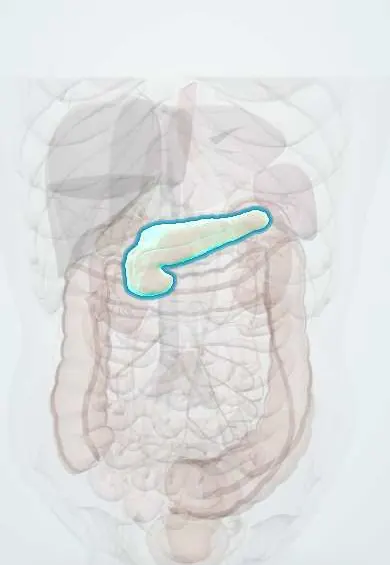
Type 1 diabetes is a disease in which the immune system destroys the insulin-making cells of the pancreas, so people with it need insulin for life.
Updated 2026-10-29
Structures involved
Tap one to see what it is and open it in 3D.
In biochemistry
- Glucose
- Glycated haemoglobin (HbA1c)
- Mitochondrial HMG-CoA synthase (HMGCS2)
- Acetoacetate (acetoacetic acid)
- β-Hydroxybutyrate
- Insulin signalling
- Glucagon signalling
- Recombinant DNA and cloning
In immunology
- Type IV hypersensitivity (delayed, T cells)
- Immune tolerance and how autoimmunity begins
- Autoantibodies: the table to know
- HLA associations with disease
- MHC/HLA class I and II
In histology
In embryology
In physiology
- Islets and insulin: secretion and actions
- Physiology of diabetes and ketoacidosis
- Glucagon and the counter-regulatory hormones
- The physiological response to hypoglycemia
- Blood glucose, glucose tolerance test and HbA1c
- The enteric nervous system, slow waves and GI control
- Gastric motility and emptying
- Fed and fasting states: the hormonal switch
- Glucose transport maximum and renal threshold
- Urine dilution, free water and osmotic diuresis
Why it happens
- Multifactorial (complex) disorders
- What delays healing: infection, diabetes, nutrition, glucocorticoids, poor blood flow
What it is
A chronic disease in which the immune system destroys the insulin-producing beta cells of the pancreas, causing absolute insulin deficiency. People with it need insulin for life.
Who gets it
Usually begins in childhood or adolescence, but can start at any age. It is much less common than type 2 diabetes, and frequency varies widely between countries.
Causes
- Autoimmune destruction of pancreatic beta cells (type 1A), with islet autoantibodies
- Genetic susceptibility, especially certain HLA types
- Environmental triggers such as viral infections are suspected but not proven
- Rarely idiopathic, without autoantibodies (type 1B)
Risk factors
- Parent or sibling with type 1 diabetes
- Other autoimmune diseases (autoimmune thyroid disease, celiac disease, Addison disease)
- Presence of islet autoantibodies in screening studies
Pathophysiology
T cells attack the islets over months or years, often silently. When most beta-cell mass is lost, insulin is absent: glucose cannot enter cells, the liver releases glucose and fat breakdown produces ketone bodies. Without insulin this leads to hyperglycaemia, osmotic diuresis, dehydration and ketoacidosis.
Classification
- Stage 1: two or more autoantibodies, normal glucose, no symptoms
- Stage 2: autoantibodies with abnormal glucose, no symptoms
- Stage 3: clinical diabetes with symptoms
- Latent autoimmune diabetes in adults (LADA): slower autoimmune form in adults
Symptoms and signs
- Polyuria, polydipsia and excessive hunger (polyphagia)
- Weight loss despite eating well
- Fatigue and blurred vision
- New bedwetting in a child who was previously dry
- Nausea, vomiting and abdominal pain when ketoacidosis develops
Diagnosis
- Clinical
- Classic symptoms, often in a young, lean person; about a third of children or more are first diagnosed in diabetic ketoacidosis. Assess hydration, breathing pattern and consciousness.
- Tests
- Glucose (fasting, random with symptoms or HbA1c) confirms diabetes. Islet autoantibodies (GAD65, IA-2, insulin, ZnT8) and a low C-peptide support type 1. In acute illness: blood ketones, blood gas, electrolytes and kidney function. Screening for thyroid and celiac disease.
- Imaging
- Not needed for diagnosis. Retinal examination screens for retinopathy once the disease is established.
Differential diagnosis
- Type 2 diabetes (especially in overweight adolescents)
- Monogenic diabetes (MODY or neonatal diabetes)
- Diabetes from pancreatic disease or cystic fibrosis
- Ketosis-prone type 2 diabetes
- Other causes of polyuria such as diabetes insipidus
Goal of treatment
Replace insulin as closely as possible to normal physiology, keep glucose in target while avoiding hypoglycaemia, and prevent ketoacidosis and long-term complications.
Treatment
- Medical
- Lifelong insulin, usually as a basal-bolus regimen (long-acting plus rapid-acting insulin at meals) or by continuous subcutaneous insulin infusion (pump).
- Acute
- Diabetic ketoacidosis is treated in hospital with intravenous fluids, intravenous insulin, potassium replacement and close monitoring, while looking for the trigger.
- Follow-up
- Capillary glucose testing or continuous glucose monitoring, regular HbA1c, and screening for retinopathy, kidney disease, neuropathy, thyroid and celiac disease.
- Lifestyle
- Education in carbohydrate counting, adjusting insulin to food and exercise, recognising and treating hypoglycaemia, and sick-day rules.
Drugs for this condition
- Regular human insulin
- Isophane (NPH) insulin
- Insulin glargine
- Insulin lispro
- Insulin aspart
- Insulin degludec
- Insulin detemir
- Insulin glulisine
- Pramlintide
Complications
- Diabetic ketoacidosis
- Hypoglycaemia, including unawareness of hypoglycaemia
- Retinopathy, nephropathy and neuropathy
- Coronary, cerebrovascular and peripheral artery disease
- Cerebral oedema during ketoacidosis treatment, mainly in children
Prognosis
With modern insulin, education and monitoring, most people lead full lives. Long-term outcome depends on glucose control and cardiovascular risk management; complications become more likely with longer disease duration and poor control.
Test yourself
Think of the answer, then tap the question to see it.
What is the basic mechanism of type 1 diabetes?
Autoimmune destruction of pancreatic beta cells, causing absolute insulin deficiency.
Which laboratory findings help distinguish type 1 from type 2 diabetes?
Positive islet autoantibodies (GAD65, IA-2, insulin, ZnT8) and low or undetectable C-peptide point to type 1.
What is the classic triad of diabetic ketoacidosis?
Hyperglycaemia, ketosis (ketonaemia or ketonuria) and high anion gap metabolic acidosis.
Why must potassium be watched closely when treating diabetic ketoacidosis?
Total body potassium is depleted, and insulin drives potassium into cells, so serum potassium can fall dangerously during treatment.
Related conditions
- Type 2 diabetes mellitus
- Coeliac disease
- Adrenal insufficiency
- Cataract
- Diabetic retinopathy
- Dupuytren contracture
Educational information, not medical advice. For any symptom, see a health professional.
Sources: Type 1 Diabetes (StatPearls (NCBI Bookshelf), 2024).
Spotted a mistake?We are always improving for the community. Tell us what is wrong and our team will review it.Report a mistake
Representative model, for educational purposes only.