Conditions · Metabolism (biochemistry)
Niemann–Pick disease !
In Niemann–Pick disease lipids build up in the liver, spleen, lungs and, in some forms, the brain.
Updated 2026-11-01
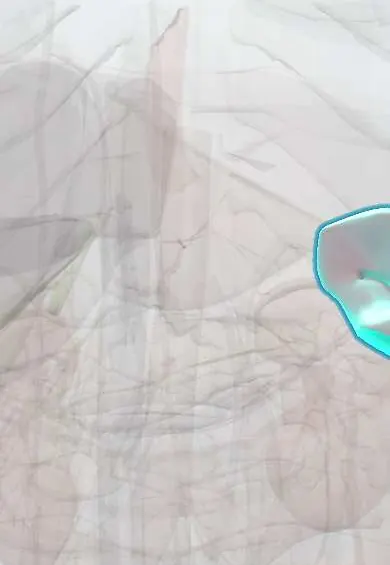
Structures involved
Tap one to see what it is and open it in 3D.
In biochemistry
- Sphingolipids and sphingolipidoses
- Lysosomal storage diseases
- Ceramide
- Sphingomyelin
- Acid sphingomyelinase
Why it happens
- Intracellular accumulations: cholesterol, proteins, hyaline, glycogen
- How a single gene causes disease: enzymes, receptors and structural proteins
What it is
A group of autosomal recessive lysosomal diseases: types A and B from acid sphingomyelinase deficiency (SMPD1 gene), and type C from a defect of cholesterol transport (NPC1 or NPC2 genes).
Who gets it
Types A and B affect about 1 in 250,000 people; type A is more common in Ashkenazi Jews. Types C1 and C2 together affect about 1 in 150,000, and C1 accounts for 95% of them.
Causes
- Types A and B: biallelic SMPD1 variants
- Type C: biallelic variants of NPC1 (most) or NPC2
Risk factors
- Carrier parents
- Ashkenazi Jewish ancestry (type A)
Pathophysiology
In types A and B, without acid sphingomyelinase, sphingomyelin builds up in macrophages of liver, spleen, lung and bone marrow (foam cells) and, in type A, also in neurons, with a cherry-red spot. In type C the enzyme is normal, but cholesterol from engulfed lipoproteins cannot leave the lysosome; free cholesterol and glycolipids accumulate, mostly in brain and liver.
Classification
- Type A (infantile neurovisceral): hepatosplenomegaly and regression from the first months
- Type B (chronic visceral): hepatosplenomegaly, lung disease and dyslipidaemia, with little or no neurological disease
- Type C: prolonged neonatal jaundice or splenomegaly, then ataxia, vertical gaze palsy, cataplexy and dementia
Symptoms and signs
- Large abdomen from hepatosplenomegaly
- Poor weight gain and feeding difficulty in infants
- Loss of skills and stiffness (type A)
- Cough and breathlessness from interstitial lung disease (type B)
- Clumsy walking, falls and trouble looking up or down (type C)
- Sudden loss of muscle tone when laughing (cataplexy, type C)
Diagnosis
- Clinical
- Hepatosplenomegaly with or without neurological disease; look for a cherry-red spot (type A) and vertical supranuclear gaze palsy (type C).
- Tests
- Low acid sphingomyelinase activity in leukocytes or dried blood spots (A and B); plasma biomarkers (lyso-sphingomyelin, oxysterols); SMPD1, NPC1 and NPC2 testing; lipid profile with low HDL; marrow may show foamy or sea-blue histiocytes.
- Imaging
- Abdominal ultrasound or MRI for liver and spleen size; chest CT with an interstitial pattern; brain MRI in type C.
Treatment
- Medical
- Enzyme replacement with recombinant acid sphingomyelinase for the non-neurological features of acid sphingomyelinase deficiency (types A/B).
- Medical
- In type C, miglustat may slow neurological decline; cataplexy and seizures are treated.
- Follow-up
- Follow-up of lung function, liver, lipids and growth.
- Rehabilitation
- Physiotherapy, speech and swallowing therapy in the neurological forms.
Complications
- Respiratory failure from interstitial lung disease
- Cirrhosis and portal hypertension
- Bleeding from hypersplenism
- Aspiration pneumonia in the neurological forms
Prognosis
Type A is usually fatal before age 3. In type B many patients reach adulthood. Type C varies with the age at which neurological symptoms begin.
Test yourself
Think of the answer, then tap the question to see it.
Which enzyme is missing in Niemann–Pick types A and B?
Acid sphingomyelinase (SMPD1 gene); sphingomyelin accumulates.
What fails in Niemann–Pick type C?
Cholesterol export from the lysosome (NPC1 or NPC2 proteins); sphingomyelinase is normal.
Which eye finding do Niemann–Pick A and Tay–Sachs share, and what tells them apart?
Both have a cherry-red spot; Niemann–Pick A also has hepatosplenomegaly.
Which neurological sign is typical of type C?
Vertical supranuclear gaze palsy, often with ataxia and cataplexy.
Related conditions
Educational information, not medical advice. For any symptom, see a health professional.
Sources: Niemann-Pick disease: MedlinePlus Genetics (MedlinePlus, US National Library of Medicine, 2026); SMPD1 gene: MedlinePlus Genetics (MedlinePlus, US National Library of Medicine, 2026); NPC1 gene: MedlinePlus Genetics (MedlinePlus, US National Library of Medicine, 2026); Textbook of Biochemistry for Medical Students, 6th ed. (Jaypee Brothers Medical Publishers (Vasudevan DM, Sreekumari S, Vaidyanathan K), 2011).
Spotted a mistake?We are always improving for the community. Tell us what is wrong and our team will review it.Report a mistake
Representative model, for educational purposes only.