Conditions · Metabolism: fatty acids and ketones
Refsum disease (adult) !
An inherited disorder in which a dietary fatty acid (phytanic acid) builds up and damages the retina, nerves and hearing.
Updated 2026-11-01
Structures involved
Tap one to see what it is and open it in 3D.
In biochemistry
What it is
An autosomal recessive defect of peroxisomal α-oxidation: phytanic acid is not broken down and builds up in blood and tissues. More than 90% of cases are due to PHYH (phytanoyl-CoA hydroxylase) and the rest to PEX7.
Who gets it
Rare; its exact prevalence is unknown. Symptoms usually start in late childhood or young adulthood.
Causes
- Variants in PHYH (over 90%) or PEX7
- Autosomal recessive inheritance
Risk factors
- Diet rich in dairy, ruminant meat and some fish (sources of phytanic acid)
- Rapid weight loss, which releases phytanic acid from fat
Pathophysiology
Phytanic acid has a methyl group on carbon 3 that blocks β-oxidation. Normally the peroxisome removes one carbon (α-oxidation, started by PHYH) and turns it into pristanate. Without PHYH phytanic acid enters membranes and myelin and damages photoreceptors, peripheral nerves, the inner ear and the heart. Because it comes only from food, its level falls when it is restricted.
Symptoms and signs
- Night blindness and progressive vision loss (retinitis pigmentosa)
- Loss of smell (anosmia), often the first sign
- Tingling and weakness in the legs (neuropathy)
- Hearing loss
- Dry, scaly skin (ichthyosis)
- Short fingers or toes
Diagnosis
- Clinical
- Suspected with retinitis pigmentosa plus anosmia, neuropathy or ichthyosis in a teenager or young adult.
- Tests
- Very high plasma phytanic acid with normal very-long-chain fatty acids; PHYH and PEX7 genetic testing; electrocardiogram and nerve conduction studies.
- Imaging
- Fundoscopy and optical coherence tomography show retinitis pigmentosa; echocardiography can show cardiomyopathy.
Treatment
- Lifestyle
- Diet low in phytanic acid (limit dairy, ruminant meat and fish fats) with enough calories
- Procedure
- Plasmapheresis or lipid apheresis in crises or when levels are very high
- Acute
- In crises: avoid fasting and sudden weight loss, and monitor heart rhythm
- Follow-up
- Eye, hearing, neurology and cardiology follow-up
Complications
- Blindness
- Arrhythmias and sudden death
- Disability from neuropathy
- Deafness
Prognosis
Diet halts the neuropathy and ichthyosis, but loss of vision, smell and hearing usually remains.
Prevention
- Early diagnosis and diet; genetic counselling for the family.
Test yourself
Think of the answer, then tap the question to see it.
Which substance builds up in Refsum disease and where does it come from?
Phytanic acid, which comes only from food (dairy, ruminant meat, fish).
Which metabolic pathway fails in Refsum disease?
Peroxisomal α-oxidation, because phytanoyl-CoA hydroxylase (PHYH) is missing.
Why can rapid weight loss worsen Refsum disease?
It mobilises phytanic acid stored in fat and the blood level rises.
Related conditions
Educational information, not medical advice. For any symptom, see a health professional.
Sources: Refsum disease: MedlinePlus Genetics (MedlinePlus, US National Library of Medicine, 2026); PHYH gene: MedlinePlus Genetics (MedlinePlus, US National Library of Medicine, 2026); Alpha-oxidation of phytanate (Reactome, 2026); Phytanic Acid (CID 26840) (PubChem, NCBI, 2026) · Public domain.
Spotted a mistake?We are always improving for the community. Tell us what is wrong and our team will review it.Report a mistake
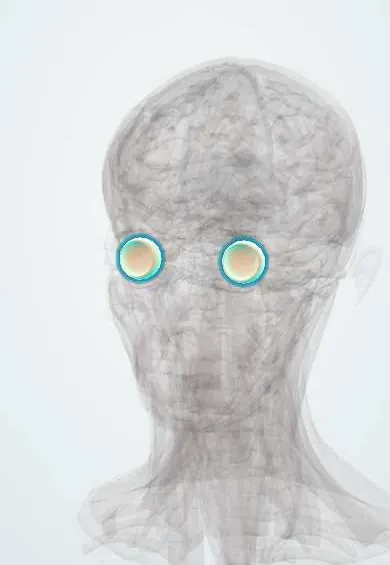
Representative model, for educational purposes only.