Conditions · Pediatrics and neonatology
Reye syndrome !
A rare, life-threatening childhood illness with brain swelling and liver failure, linked to aspirin taken during a viral infection such as flu or chickenpox.
Updated 2026-11-01
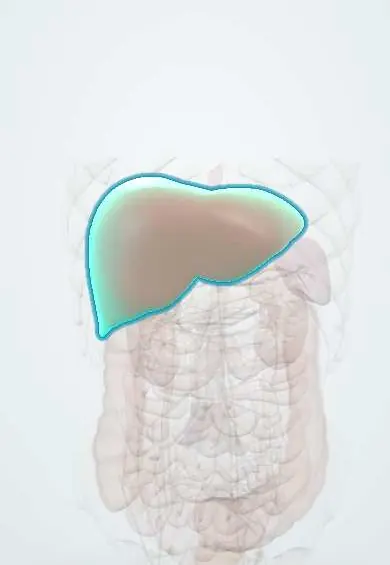
Structures involved
Tap one to see what it is and open it in 3D.
Why it happens
- Fatty change (steatosis)
- Fatty acid β-oxidation
- Urea cycle
- Ammonia (ammonium)
- Liver: lobule, acinus, hepatocytes, sinusoids, Kupffer cells
What it is
An acute, non-inflammatory encephalopathy with fatty degeneration of the liver that typically follows a viral illness, classically influenza or varicella, in a child who took aspirin (salicylates). Brain swelling with raised intracranial pressure is the main cause of death.
Who gets it
Now very rare worldwide since aspirin stopped being recommended for children with fever. It mostly affected children aged 4–12 years. Salicylate-containing remedies (such as some antidiarrhoeal products and oil of wintergreen) remain a hidden source.
Causes
- Aspirin or other salicylate use during a viral infection
- Preceding influenza (A or B) or varicella, less often other viruses
- Exact mechanism unknown; mitochondrial injury is central
Risk factors
- Age under 18, especially 4–12 years
- Aspirin or salicylate-containing products during fever or flu-like illness
- Children who need long-term aspirin (Kawasaki disease, rheumatic conditions) if they catch influenza or varicella
- Inborn errors of metabolism that mimic or predispose (fatty acid oxidation and urea cycle defects)
Pathophysiology
Diffuse mitochondrial injury impairs fatty acid oxidation and the urea cycle. Hepatocytes fill with microvesicular fat, ammonia rises and glucose may fall. Cerebral oedema develops without inflammation, raising intracranial pressure and risking herniation.
Classification
- Staged by level of consciousness, from lethargy with vomiting (stage I) to delirium and decorticate or decerebrate posturing, flaccidity and loss of reflexes (later stages)
Symptoms and signs
- Recovery from a viral illness, then sudden persistent vomiting
- Lethargy, irritability or aggressive behaviour
- Confusion and delirium
- Seizures
- Decreasing consciousness progressing to coma and abnormal posturing
- Usually no jaundice
Diagnosis
- Clinical
- Acute encephalopathy with liver dysfunction after a viral prodrome, with a history of salicylate use; a diagnosis of exclusion, especially of metabolic disorders.
- Tests
- Raised AST and ALT (often threefold or more) with high ammonia and prolonged prothrombin time; normal or near-normal bilirubin; hypoglycaemia, especially in infants. Cerebrospinal fluid without pleocytosis. Metabolic screen to exclude inborn errors. Liver biopsy shows microvesicular steatosis.
- Imaging
- CT or MRI of the head shows cerebral oedema and excludes other causes; lumbar puncture only after imaging when raised pressure is suspected.
Differential diagnosis
- Viral encephalitis or bacterial meningitis
- Inborn errors of metabolism (MCAD deficiency, urea cycle defects)
- Acute liver failure from paracetamol or other toxins
- Salicylate poisoning
- Sepsis
Goal of treatment
Control intracranial pressure, correct metabolic derangements and support the liver until it recovers.
Treatment
- Acute
- Paediatric intensive care: airway protection and ventilation, intravenous fluids with glucose and electrolytes, correction of coagulopathy.
- Medical
- Measures to lower intracranial pressure, such as osmotic therapy (mannitol or hypertonic saline) and head elevation; seizures are treated with anticonvulsants. Stop all salicylates.
- Follow-up
- Nursing: frequent neurological checks (Glasgow coma scale, pupils), glucose, ammonia, blood gases and intracranial pressure monitoring where available; seizure precautions.
Complications
- Cerebral herniation and death
- Permanent brain damage and epilepsy
- Coagulopathy and bleeding
- Hypoglycaemia
Prognosis
Depends on the depth of coma at presentation. Children treated in early stages usually survive with good recovery; deep coma carries a high risk of death or neurological sequelae.
Prevention
- Do not give aspirin or salicylates to children and adolescents with fever or viral illness unless a doctor prescribes it
- Influenza and varicella vaccination, especially for children on long-term aspirin
- Check labels of over-the-counter remedies for hidden salicylates
Test yourself
Think of the answer, then tap the question to see it.
Which drug is classically linked to Reye syndrome?
Aspirin (salicylates) given during a viral infection in a child.
Which viral infections typically precede Reye syndrome?
Influenza and varicella.
What is the characteristic liver finding?
Microvesicular fatty change of hepatocytes, with high transaminases and ammonia but little or no jaundice.
What is the main cause of death?
Cerebral oedema with raised intracranial pressure and herniation.
Related conditions
- Salicylate (aspirin) toxicity
- Varicella (chickenpox)
- Influenza (flu)
- Hepatic encephalopathy
- Acute liver failure
- Viral encephalitis (herpes simplex encephalitis)
- Medium-chain acyl-CoA dehydrogenase (MCAD) deficiency
Educational information, not medical advice. For any symptom, see a health professional.
Sources: Reye syndrome (MedlinePlus (U.S. National Library of Medicine), 2024).
Spotted a mistake?We are always improving for the community. Tell us what is wrong and our team will review it.Report a mistake
Representative model, for educational purposes only.