Conditions · Emergency medicine and toxicology
Salicylate (aspirin) toxicity !
Poisoning by aspirin or other salicylates. It causes ringing ears, fast breathing and a dangerous acid-base disturbance.
Updated 2026-11-01
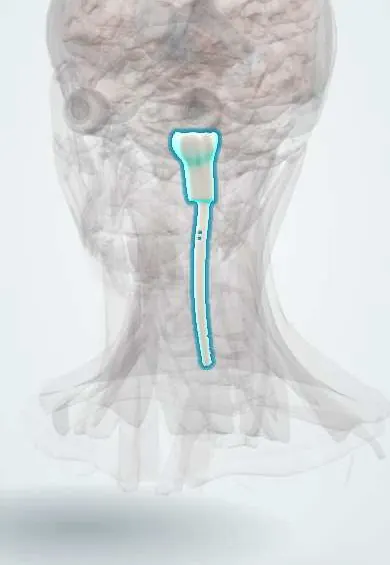
Structures involved
Tap one to see what it is and open it in 3D.
Why it happens
- Injury by therapeutic drugs: the classic examples
- Mixed acid–base disorders
- Respiratory acidosis and alkalosis
- Uncouplers of oxidative phosphorylation
- Anion gap and delta ratio
What it is
Poisoning from an acute overdose or chronic excess of aspirin or other salicylates (including methyl salicylate in oil of wintergreen and topical products). It causes a mixed acid-base disorder and can affect the brain, lungs and kidneys.
Who gets it
Less frequent than in the past as paracetamol has replaced aspirin for many uses, but still seen in intentional overdoses and in chronic toxicity in older adults taking aspirin regularly. Aspirin is widely sold without prescription in Latin America.
Causes
- Acute intentional or accidental ingestion of aspirin tablets
- Chronic therapeutic excess, especially in older adults
- Methyl salicylate (oil of wintergreen) or salicylate-containing ointments and remedies
- Enteric-coated or large ingestions forming tablet masses (bezoars) that delay absorption
Risk factors
- Depression and self-harm
- Older age, kidney impairment and dehydration (chronic toxicity)
- Young children with access to medicines or topical products
- Use of several salicylate-containing products at once
Pathophysiology
Salicylates directly stimulate the medullary respiratory centre, causing early respiratory alkalosis. They also uncouple oxidative phosphorylation and disturb metabolism, causing an anion-gap metabolic acidosis, heat production and glucose depletion in the brain. Acidaemia lets more non-ionised drug enter the brain, worsening toxicity; increased capillary permeability can cause pulmonary and cerebral oedema.
Classification
- Acute versus chronic toxicity
- Mild, moderate or severe according to clinical features and acid-base status
Symptoms and signs
- Tinnitus and decreased hearing
- Nausea, vomiting and epigastric pain
- Fast, deep breathing (tachypnoea, hyperpnoea)
- Sweating, fever and dehydration
- Agitation, confusion or lethargy
Diagnosis
- Clinical
- History of ingestion and the combination of tinnitus, vomiting, hyperventilation and altered mental status. Chronic toxicity in older adults is easily mistaken for sepsis or delirium.
- Tests
- Serial serum salicylate levels until falling, arterial or venous blood gases (respiratory alkalosis with anion-gap metabolic acidosis), electrolytes and anion gap, glucose, kidney function, coagulation, and a paracetamol level to exclude co-ingestion.
- Imaging
- Chest X-ray if pulmonary oedema is suspected; head CT if consciousness is reduced for another reason.
Differential diagnosis
- Sepsis or diabetic ketoacidosis
- Methanol or ethylene glycol poisoning (anion-gap acidosis)
- Paracetamol or other drug overdose
- Delirium from other causes in older adults
- Heat stroke
Goal of treatment
Prevent further absorption, enhance elimination by alkalinising the urine, correct fluid, potassium and glucose, and arrange haemodialysis for severe poisoning.
Treatment
- Acute
- Activated charcoal when the airway is protected and the ingestion is recent; repeated doses may be considered for delayed or enteric-coated absorption.
- Medical
- Intravenous fluids and sodium bicarbonate to alkalinise serum and urine, with potassium replacement because hypokalaemia prevents urinary alkalinisation; glucose for altered mental status.
- Procedure
- Haemodialysis for altered mental status, kidney failure, pulmonary oedema, very high or rising levels, or worsening acidosis despite treatment.
- Follow-up
- Frequent salicylate levels, blood gases, potassium, glucose and urine pH; if intubation is unavoidable, ventilation is set to keep the patient's high minute ventilation.
Complications
- Non-cardiogenic pulmonary oedema
- Cerebral oedema, seizures and coma
- Acute kidney injury
- Gastrointestinal bleeding
- Hypoglycaemia in the brain despite normal blood glucose
- Death
Prognosis
Most mild to moderate cases recover with alkalinisation and supportive care. Chronic toxicity diagnosed late, older age, neurological signs and acidaemia carry a higher mortality.
Prevention
- Child-resistant packaging and safe storage of medicines and topical products
- Review of aspirin use and kidney function in older adults
- Screening for suicide risk
Test yourself
Think of the answer, then tap the question to see it.
What acid-base disorder is typical of adult salicylate poisoning?
A mixed respiratory alkalosis (direct respiratory centre stimulation) and anion-gap metabolic acidosis.
Which early symptom is characteristic of salicylate toxicity?
Tinnitus (ringing in the ears), often with nausea, vomiting and hyperventilation.
Why must potassium be corrected when alkalinising the urine?
With hypokalaemia the kidney retains potassium and excretes hydrogen ions, so the urine cannot be alkalinised.
What are two indications for haemodialysis in salicylate toxicity?
Altered mental status and kidney failure; also pulmonary oedema, very high levels or refractory acidosis.
Why is intubation dangerous in salicylate poisoning?
Losing the patient's own hyperventilation causes rapid acidaemia, driving salicylate into the brain and causing deterioration.
Related conditions
- Acetaminophen toxicity
- Acute kidney injury
- Lactic acidosis
- Peptic ulcer disease
- Upper gastrointestinal bleeding
- Hypoglycaemia (including insulin-induced)
- Acute respiratory distress syndrome (ARDS)
- Dehydration (fluid volume deficit)
- Delirium
- Methanol poisoning
- Ethylene glycol poisoning
- Suicidal behaviour and suicide risk
Educational information, not medical advice. For any symptom, see a health professional.
Sources: Aspirin overdose (MedlinePlus, US National Library of Medicine, 2026).
Spotted a mistake?We are always improving for the community. Tell us what is wrong and our team will review it.Report a mistake
Representative model, for educational purposes only.