Conditions · Metabolism (biochemistry)
α1-antitrypsin deficiency !
An inherited lack of α1-antitrypsin: the lung is left unprotected (early emphysema) and the retained protein damages the liver.
Updated 2026-11-01
Structures involved
Tap one to see what it is and open it in 3D.
In biochemistry
- Protein targeting and signal sequences
- Molecular chaperones and heat shock proteins
- Protein structure and folding
- Plasma proteins and electrophoresis
- Elastin
- α1-antitrypsin
Why it happens
- Endoplasmic reticulum stress and the unfolded protein response
- When leukocytes injure tissue: proteases, oxidants and NETs
- Intracellular accumulations: cholesterol, proteins, hyaline, glycogen
What it is
A codominant genetic disorder from SERPINA1 variants (mainly the Z allele) that lower blood α1-antitrypsin and cause emphysema, liver disease and, less often, panniculitis.
Who gets it
Affects about 1 in 1,500 to 3,500 people of European ancestry and is uncommon in people of Asian descent; it is heavily underdiagnosed, often mistaken for COPD or asthma. No Colombia-specific figures were found.
Causes
- SERPINA1 variants with codominant inheritance
- PiZZ (Glu342Lys on both alleles): the commonest severe form
- PiSZ and null alleles (no protein, lung damage only)
Risk factors
- Smoking (brings emphysema forward by 10–20 years)
- Occupational exposure to dusts and fumes
- Alcohol and obesity (liver damage)
- Affected first-degree relatives
Pathophysiology
Normal α1-antitrypsin leaves the liver and restrains neutrophil elastase in the lung. The Z protein misfolds and polymerises inside the hepatocyte endoplasmic reticulum: only ≈ 10–15 % of the normal amount gets out. In the lung, unchecked elastase destroys the elastin of alveolar walls (basal-predominant panacinar emphysema); smoking makes it worse by oxidising the remaining protein and drawing in neutrophils. In the liver, accumulated polymers cause ER stress, cell death, fibrosis, cirrhosis and hepatocellular carcinoma. Null alleles do not form polymers: they cause emphysema without liver disease.
Symptoms and signs
- Progressive breathlessness and wheeze from age 30–40
- Chronic cough and repeated bronchitis
- Prolonged jaundice and cholestasis in the newborn
- Signs of chronic liver disease in adults (ascites, hepatomegaly)
- Painful skin nodules (panniculitis), less common
Diagnosis
- Clinical
- Suspect it in COPD before 45 or in non-smokers, basal emphysema, unresponsive asthma, unexplained liver disease, panniculitis or a family history.
- Tests
- Serum α1-antitrypsin level (low); phenotype by isoelectric focusing or SERPINA1 genotype; spirometry (fixed obstruction) and CO diffusion; liver tests; electrophoresis with a low α1 band.
- Imaging
- Chest CT: basal-predominant panacinar emphysema; liver ultrasound and elastography for fibrosis and nodules.
Treatment
- Lifestyle
- Stop smoking and avoid smoke, dusts and alcohol; vaccination against influenza, pneumococcus and hepatitis
- Medical
- COPD treatment: inhaled bronchodilators and pulmonary rehabilitation
- Medical
- Augmentation therapy: regular infusions of purified human α1-antitrypsin in emphysema with a very low level
- Surgical
- Lung transplant in end-stage emphysema; liver transplant in decompensated cirrhosis (normalises the α1-antitrypsin level)
- Follow-up
- Regular spirometry and liver ultrasound to detect progression and hepatocellular carcinoma
Complications
- Emphysema and respiratory failure
- Cirrhosis
- Hepatocellular carcinoma
- Bronchiectasis
- c-ANCA vasculitis (association)
Prognosis
In non-smokers life expectancy can be near normal; in smokers emphysema starts early and shortens life. Severe liver disease affects a minority of PiZZ individuals.
Prevention
- Never smoking
- Testing of first-degree relatives and genetic counselling
Test yourself
Think of the answer, then tap the question to see it.
Why does emphysema in α1-antitrypsin deficiency predominate at the bases?
The bases receive more blood flow and more neutrophils; without α1-antitrypsin, their elastase destroys alveolar walls.
Why does the Z variant cause liver disease while null alleles do not?
Z protein polymerises and builds up in the hepatocyte; null alleles make no protein that could accumulate.
Which liver histology finding is typical?
PAS-positive, diastase-resistant globules in periportal hepatocytes.
Which treatment corrects both the liver and the blood α1-antitrypsin level?
Liver transplant, because the new liver makes normal protein.
Related conditions
Educational information, not medical advice. For any symptom, see a health professional.
Sources: Alpha-1 antitrypsin deficiency: MedlinePlus Genetics (MedlinePlus, US National Library of Medicine, 2026); Alpha-1 antitrypsin deficiency: MedlinePlus Medical Encyclopedia (MedlinePlus, US National Library of Medicine, 2026); SERPINA1 gene: MedlinePlus Genetics (MedlinePlus, US National Library of Medicine, 2026); Alpha-1 antitrypsin blood test: MedlinePlus Medical Encyclopedia (MedlinePlus, US National Library of Medicine, 2026).
Spotted a mistake?We are always improving for the community. Tell us what is wrong and our team will review it.Report a mistake
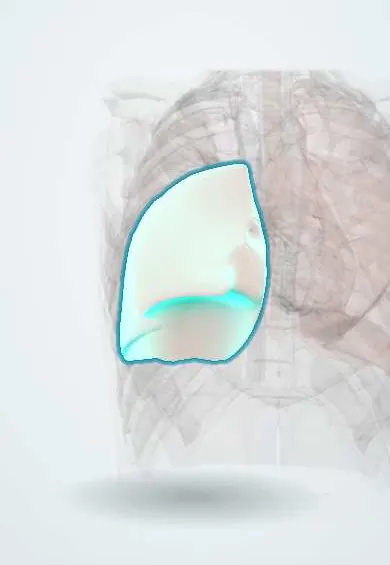
Representative model, for educational purposes only.