Conditions · Metabolism: purines and pyrimidines
Adenosine deaminase deficiency (ADA-SCID) !
An inherited disease in which a purine toxin kills lymphocytes; the baby is left without defences and gets severe infections.
Updated 2026-11-01
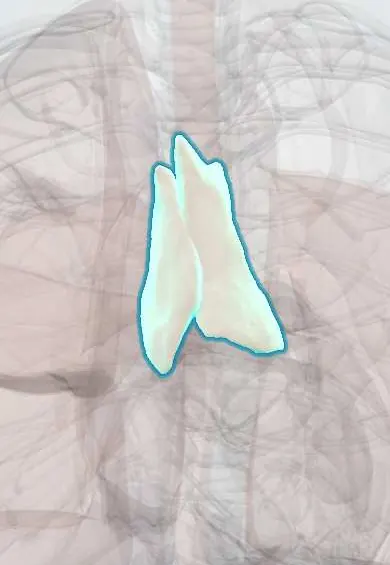
Structures involved
Tap one to see what it is and open it in 3D.
In biochemistry
- Pyrimidine synthesis: Step 8 · Ribonucleotide reductase
- JAK–STAT pathway
- Gene therapy
- Adenosine deaminase (ADA)
- Ribonucleotide reductase
- Immunoglobulins (antibodies)
In immunology
- V(D)J recombination: how a few genes make billions of receptors
- Immunodeficiency: warning signs and the infection pattern by defect
- T-cell and combined deficiencies: DiGeorge, SCID, Wiskott–Aldrich, ataxia-telangiectasia
- T-cell development: positive and negative selection
What it is
Autosomal recessive adenosine deaminase deficiency causing severe combined immunodeficiency (no T, B or NK cells) and damage to other organs.
Who gets it
About 1 in 500,000 newborns; it accounts for about 15% of SCID. In Latin America newborn SCID screening (TREC) is not yet routine in most countries, so many cases are recognised late, sometimes after complications of the BCG vaccine given at birth.
Causes
- Pathogenic variants in both copies of the ADA gene (autosomal recessive inheritance)
Risk factors
- Carrier parents, consanguinity
- An affected sibling or a sibling's early death from infection
Pathophysiology
Without ADA, adenosine and deoxyadenosine accumulate. Lymphocytes phosphorylate deoxyadenosine to dATP, which shuts down ribonucleotide reductase: without deoxynucleotides they cannot replicate DNA and die by apoptosis. Deoxyadenosine also inhibits S-adenosylhomocysteine hydrolase. The metabolic damage reaches other tissues (lung, bone, ear, brain and liver).
Classification
- Early-onset form (classic SCID, most cases)
- Delayed or adult-onset forms, with residual activity
Symptoms and signs
- Severe, repeated infections from the first months (pneumonia, otitis, sepsis)
- Chronic diarrhoea and failure to thrive
- Persistent oral thrush
- Opportunistic infections such as Pneumocystis pneumonia
- Bone changes (flared costochondral junctions), sensorineural deafness and neurological or behavioural problems
Diagnosis
- Clinical
- An infant with severe or opportunistic infections, diarrhoea and failure to thrive, with family history or consanguinity.
- Tests
- Profound lymphopenia (T-, B-, NK-) on flow cytometry; low immunoglobulins; very low red cell ADA activity and high deoxyadenosine nucleotides (dAXP); ADA genetic testing; low TRECs on newborn screening where available.
- Imaging
- Chest X-ray shows an absent thymic shadow, pneumonias and flared anterior rib ends.
Treatment
- Acute
- Protective isolation and intensive treatment of infections
- Medical
- Intravenous immunoglobulin and Pneumocystis prophylaxis
- Medical
- Enzyme replacement therapy with polyethylene glycol-conjugated ADA while definitive treatment is prepared
- Procedure
- Haematopoietic stem cell transplant, ideally from a matched sibling
- Procedure
- Gene therapy with the patient's own stem cells in specialised centres
- Follow-up
- Avoid live vaccines (including BCG) and use irradiated blood products
Complications
- Disseminated infection from BCG or live vaccine viruses
- Chronic lung damage
- Deafness and cognitive deficits even after transplant
- Graft-versus-host disease after transplant
Prognosis
Untreated, it is usually fatal within the first two years; with early transplant, enzyme or gene therapy, survival is high.
Prevention
- Newborn TREC screening and family genetic counselling
- Delay BCG in newborns with a family history of SCID until it is ruled out
Test yourself
Think of the answer, then tap the question to see it.
Which toxic metabolite kills lymphocytes in ADA deficiency?
dATP, made from accumulated deoxyadenosine, which inhibits ribonucleotide reductase.
Which chest X-ray finding suggests SCID in an infant?
Absence of the thymic shadow.
Why is BCG a concern in a newborn with SCID?
It is a live bacterial vaccine: without T cells it can disseminate and cause severe disease.
Which treatments can cure or control ADA-SCID?
Haematopoietic stem cell transplant, autologous gene therapy and, as a bridge, PEG-ADA enzyme replacement.
Related conditions
Educational information, not medical advice. For any symptom, see a health professional.
Sources: Adenosine deaminase deficiency: MedlinePlus Genetics (MedlinePlus, US National Library of Medicine, 2026); ADA gene: MedlinePlus Genetics (MedlinePlus, US National Library of Medicine, 2026); ADA: Adenosine deaminase (human) (UniProt, 2026).
Spotted a mistake?We are always improving for the community. Tell us what is wrong and our team will review it.Report a mistake
Representative model, for educational purposes only.