Conditions · Systemic conditions
Tuberculosis !
Tuberculosis is a bacterial infection spread through the air that mainly affects the lungs but can reach almost any organ, including the spine and lymph nodes.
Updated 2026-10-30
Structures involved
Tap one to see what it is and open it in 3D.
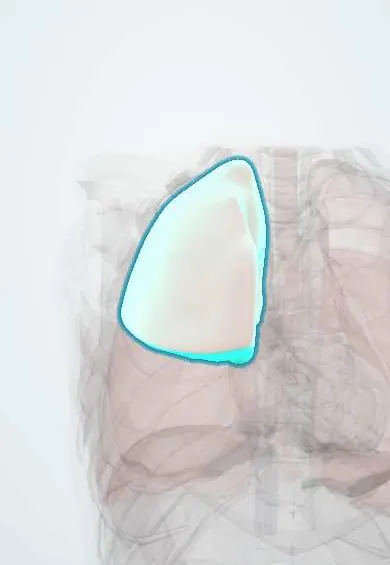
- Right upper lobe
- Left upper lobe
- T12 vertebra
- L1 vertebra
- T12–L1 disc
- Psoas major
- Mediastinal lymph nodes
- Pleura
- Ileum
In biochemistry
- Transcription
- Polymerase chain reaction (PCR)
- Bacterial DNA gyrase (target of fluoroquinolones)
- RNA polymerases I, II and III
- Ribosome (and the antibiotics that target it)
- Adenosine deaminase (ADA)
- Cytochrome P450 3A4 (CYP3A4)
- Cytochrome P450 system
- Xenobiotic biotransformation: phases I, II and III
- Vitamin B6 (pyridoxal phosphate)
Microorganisms that cause it
In immunology
- Lymph node: cortex, paracortex, medulla
- Monocyte and macrophage
- CD4⁺ helper T cell
- Hypersensitivity: the four types compared
- Type IV hypersensitivity (delayed, T cells)
- Immunity to microbes: which arm defends against what
- Hyper-IgE (Job) syndrome, chronic mucocutaneous candidiasis and the IL-12/IFN-γ axis
- How HIV destroys CD4 T cells
- Secondary immunodeficiency: HIV, malnutrition, drugs, asplenia
- Monoclonal antibodies and biologics: naming and targets
- Granulomatous inflammation
- Th1, Th2, Th17, Tfh and Treg
- Cytokines: the table to know
- IL-12 and IL-23
- TNF-α
- Interferon-γ
- Colombia's PAI schedule (which vaccines, at what age)
- Tuberculin skin test and IGRA
In histology
- The alveolus: type I and II pneumocytes, surfactant, the blood–air barrier
- Serous membranes: pleura and peritoneum
In embryology
In the clinical exam
In physiology
Why it happens
- Granulomatous inflammation: caseating vs non-caseating, the causes to know
- Patterns of necrosis: coagulative, liquefactive, caseous, fat, fibrinoid, gangrenous
- Special stains in diagnosis: Congo red, Prussian blue, PAS, Ziehl–Neelsen, Gram
- Apoptosis vs necrosis: the comparison table
- Pathologic calcification: dystrophic vs metastatic
- The autopsy: clinical and medicolegal
Show 3 more
What it is
An infection caused by Mycobacterium tuberculosis, spread through the air, that mainly affects the lungs but can involve almost any organ, including the spine, lymph nodes and meninges.
Who gets it
One of the leading infectious causes of death worldwide. It remains a public-health problem in Colombia and Latin America, especially in prisons, poor urban areas, Indigenous communities and people with HIV. In shanty towns of Callao, Peru, 9% of 2,666 household contacts aged 15 or older developed tuberculosis over about 10 years of follow-up (2002–2016).
Causes
- Mycobacterium tuberculosis complex
- Airborne droplet nuclei from a person with active pulmonary TB
- Reactivation of latent infection
- Rarely: M. bovis from unpasteurized milk
Risk factors
- HIV infection
- Close contact with a person with active TB
- Diabetes, malnutrition, smoking, alcohol use
- Immunosuppressive drugs, including TNF inhibitors and corticosteroids
- Crowded settings: prisons, shelters
- Young children and older adults
Pathophysiology
Inhaled bacilli are taken up by alveolar macrophages and survive inside them. Cell-mediated immunity forms granulomas with caseous necrosis that usually contain the infection (latent TB). If immunity weakens, bacilli multiply, cavities form in the lung and bacilli spread through blood or lymph to other organs.
Classification
- Latent TB infection
- Active pulmonary TB
- Extrapulmonary TB: lymph node, pleural, spinal (Pott disease), meningeal, abdominal, genitourinary
- Miliary (disseminated) TB
- Drug-susceptible versus drug-resistant (MDR, XDR)
Symptoms and signs
- Cough for more than two weeks, sometimes with blood
- Fever, night sweats and weight loss
- Fatigue and loss of appetite
- Lymph node TB: painless, matted neck nodes that may drain (scrofula)
- Pott disease: back pain, local tenderness, spinal deformity (gibbus)
- Meningeal TB: subacute headache, fever, confusion, cranial nerve palsies
Diagnosis
- Clinical
- Prolonged cough, fever, night sweats and weight loss, especially with TB contact or HIV; extrapulmonary forms suspected by the organ involved.
- Tests
- Sputum smear microscopy, culture and rapid molecular tests (nucleic acid amplification) that also detect rifampicin resistance. Tuberculin skin test or interferon-gamma release assay for latent infection. Biopsy or fluid sampling (node, CSF, pleura) for extrapulmonary TB; HIV test for everyone.
- Imaging
- Chest X-ray: upper-lobe infiltrates, cavities, hilar nodes, effusion or miliary pattern. MRI of the spine in Pott disease (vertebral and disc destruction, paraspinal or psoas abscess); brain MRI in meningeal TB.
Differential diagnosis
- Lung cancer
- Bacterial pneumonia or lung abscess
- Lymphoma
- Spinal metastases or pyogenic spondylodiscitis
- Fungal infections (histoplasmosis, paracoccidioidomycosis)
- Sarcoidosis
Goal of treatment
Cure the infection with a full course of combination therapy, prevent drug resistance, stop transmission and preserve organ function, especially of the spine and brain.
Treatment
- Medical
- Drug-susceptible TB: several months of combined first-line antituberculosis drugs (isoniazid, rifampicin, pyrazinamide and ethambutol), with longer courses for meningeal and spinal TB as guidelines advise.
- Follow-up
- Directly observed therapy, sputum checks and follow-up for drug toxicity, especially of the liver.
- Medical
- Drug-resistant TB: regimens of second-line drugs guided by resistance testing, under specialist care.
- Medical
- TB meningitis: corticosteroids are added to reduce inflammation.
- Surgical
- Pott disease: surgery for spinal cord compression, instability, deformity or abscess drainage when drugs alone are not enough.
Drugs for this condition
- Amikacin
- Streptomycin
- Linezolid
- Levofloxacin
- Moxifloxacin
- Isoniazid
- Rifampicin
- Pyrazinamide
- Ethambutol
- Bedaquiline
- Clofazimine
- Rifabutin
- Rifapentine
- Cycloserine
- Ethionamide
- Aminosalicylic acid
- Delamanid
- Pretomanid
- BCG vaccine (bacille Calmette-Guérin)
Complications
- Drug-resistant TB
- Spinal deformity and paraplegia (Pott disease)
- Hydrocephalus, stroke and lasting neurological damage (TB meningitis)
- Massive hemoptysis and lung scarring
- Pleural empyema
- Adrenal insufficiency
Prognosis
Drug-susceptible TB is curable in most patients who complete treatment. Outcomes are worse with drug resistance, HIV, late diagnosis and meningeal disease.
Prevention
- BCG vaccine at birth, which mainly protects young children from severe forms (miliary TB and TB meningitis)
- Early diagnosis and complete treatment of active cases
- Contact tracing and preventive treatment of latent infection
- Ventilation and infection control in health care and crowded settings
- HIV testing and ART
Test yourself
Think of the answer, then tap the question to see it.
What is Pott disease and which part of the spine does it usually affect?
Tuberculous spondylitis: infection of the vertebrae and discs, most often the lower thoracic and upper lumbar spine, which can cause gibbus and cord compression.
What does BCG vaccination mainly protect against?
Severe childhood forms of TB, especially miliary TB and TB meningitis; protection against adult pulmonary TB is variable.
How is latent TB distinguished from active TB?
Latent TB: positive tuberculin skin test or IGRA with no symptoms and normal chest imaging, not contagious. Active TB: symptoms, abnormal imaging and/or positive microbiology.
What is the typical appearance of tuberculous cervical lymphadenitis (scrofula)?
Painless, slowly enlarging, matted neck lymph nodes that may soften and drain through the skin.
What kind of rapid test detects M. tuberculosis and rifampicin resistance at the same time?
Rapid molecular tests based on nucleic acid amplification, which detect the bacillus and mutations linked to rifampicin resistance.
Related conditions
- HIV infection and AIDS
- Lung cancer
- Crohn disease
- Adrenal insufficiency
- Cervical lymphadenopathy
- Uveitis
- Spinal tuberculosis (Pott disease)
- Pulmonary tuberculosis
Educational information, not medical advice. For any symptom, see a health professional.
Sources: Tuberculosis Overview (StatPearls (NCBI Bookshelf), 2024); Active and passive case-finding in tuberculosis-affected households in Peru: a 10-year prospective cohort study (The Lancet. Infectious diseases, 2019) · adapted, CC BY 4.0.
Spotted a mistake?We are always improving for the community. Tell us what is wrong and our team will review it.Report a mistake
Representative model, for educational purposes only.