
Blepharitis
Chronic inflammation of the eyelid margins, with crusty lashes and burning, gritty eyes. It is controlled with daily lid hygiene rather than cured.
Quick facts
- Key signs
- Burning · Red · Crusts or scales at the base
- Diagnosis
- Clinical
Red flags ↓
No doses: the clinician sets them by the current guideline.
What it is
A common, chronic inflammation of the eyelid margins. Anterior blepharitis affects the base of the lashes (staphylococcal or seborrhoeic); posterior blepharitis is meibomian gland dysfunction, which thickens the oily secretions and destabilises the tear film. It causes long-lasting irritation but rarely threatens sight.
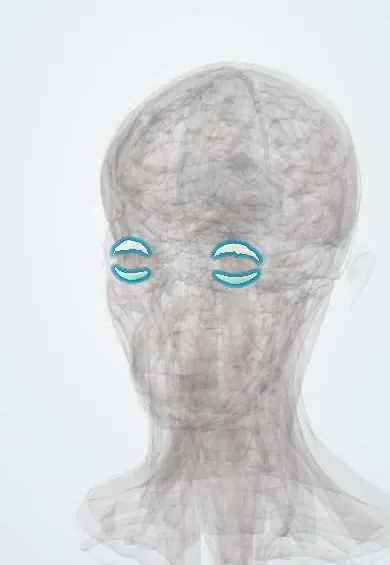
See it in 3D
Who gets it
One of the most frequent reasons for eye consultations at all ages, more common in older adults and in people with rosacea or seborrhoeic dermatitis.
Causes
- Staphylococcal colonisation of the lid margin
- Seborrhoeic dermatitis
- Meibomian gland dysfunction
- Demodex mites in the lashes
- Rosacea
Risk factors
- Rosacea and seborrhoeic dermatitis
- Older age
- Contact lens wear
- Dry eye
- Isotretinoin treatment
Pathophysiology
Bacteria, mites and abnormal gland secretions inflame the lid margin. Thickened meibomian oil no longer covers the tears, which evaporate quickly; the unstable tear film and bacterial toxins irritate the conjunctiva and cornea, closing a cycle of chronic inflammation.
Classification
- Anterior (staphylococcal or seborrhoeic)
- Posterior (meibomian gland dysfunction)
- Mixed
Symptoms and signs
- Burning, grittiness and itching, worse in the morning
- Red, thickened lid margins
- Crusts or scales at the base of the lashes
- Watery or slightly sticky eyes
- Fluctuating blurred vision that clears with blinking
Diagnosis
- Clinical
- Clinical diagnosis by examining the lid margins, lashes and meibomian gland openings, ideally with a slit lamp; the tear film break-up time is often short.
- Tests
- Biopsy only for a unilateral, persistent or nodular lesion, to rule out a sebaceous gland carcinoma.
- Imaging
- Not needed.
Differential diagnosis
- Dry eye disease
- Allergic conjunctivitis
- Sebaceous gland carcinoma (unilateral, persistent)
- Contact dermatitis of the lids
Goal of treatment
Control symptoms with long-term lid hygiene and treat the associated skin disease and dry eye.
Treatment
- Conservative
- Warm compresses and gentle lid massage, then cleaning of the lid margins, every day for the long term.
- Conservative
- Preservative-free lubricant eye drops for associated dry eye.
- Medical
- Topical antibiotic ointment on the lid margins for marked anterior blepharitis, for a limited period.
- Medical
- Oral tetracyclines or macrolides at low doses in meibomian gland dysfunction or rosacea, prescribed by a doctor.
Complications
- Recurrent chalazia and styes
- Marginal keratitis and corneal infiltrates
- Loss or misdirection of lashes
- Chronic conjunctivitis
Prognosis
Chronic and relapsing, but well controlled when lid hygiene is kept up.
Prevention
- Daily lid hygiene in predisposed people
- Treating rosacea and seborrhoeic dermatitis
- Removing eye make-up every night
Test yourself
Think of the answer, then tap the question to see it.
What is posterior blepharitis?
Meibomian gland dysfunction: thick secretions that destabilise the tear film.
What is the mainstay of blepharitis treatment?
Daily, long-term lid hygiene with warm compresses and cleaning.
Which lid finding requires a biopsy?
A unilateral, persistent lid thickening or loss of lashes, to rule out a tumour.
Why it happens
Connections
Microorganisms that cause it1
Educational information, not medical advice. For any symptom, see a health professional.
Sources: Blepharitis (StatPearls Publishing (NCBI Bookshelf), 2025).
Spotted a mistake?We are always improving for the community. Tell us what is wrong and our team will review it.Report a mistake
Representative model, for educational purposes only.