Chalazion and hordeolum (stye) !
A stye (hordeolum) is a painful infected eyelid gland; a chalazion is a firm, usually painless lump from a blocked eyelid gland.
Updated 2026-10-29
Structures involved
Tap one to see what it is and open it in 3D.
In histology
Why it happens
- Granulomatous inflammation: caseating vs non-caseating, the causes to know
- Outcomes of acute inflammation: resolution, abscess, scar or chronic inflammation
What it is
Two common eyelid lumps. A hordeolum (stye) is an acute painful infection of an eyelid gland; a chalazion is a firm, usually painless, sterile granuloma from a blocked meibomian gland.
Who gets it
Both are very common at all ages and are seen mostly in primary care. Chalazia are more frequent in adults with blepharitis or rosacea.
Causes
- Hordeolum: bacterial infection, usually Staphylococcus aureus
- External hordeolum: gland of Zeis or Moll at the lash line
- Internal hordeolum: meibomian gland
- Chalazion: blocked meibomian gland with lipogranulomatous inflammation; may follow an internal hordeolum
Risk factors
- Blepharitis and meibomian gland dysfunction
- Rosacea and seborrhoeic dermatitis
- Previous chalazion or hordeolum
- Poor eyelid hygiene, eye rubbing, old eye make-up
- Diabetes and immunosuppression (recurrent styes)
Pathophysiology
In a hordeolum, bacteria infect a gland and form a small abscess with acute inflammation. In a chalazion, thick secretions block a meibomian gland; lipid leaks into the surrounding tissue and provokes a chronic granulomatous reaction, so the lump is firm and not tender.
Classification
- Hordeolum: external or internal
- Chalazion: acute (inflamed) or chronic
- Recurrent lesions
Symptoms and signs
- Hordeolum: red, tender, painful swelling at the lid margin, often with a yellow point
- Hordeolum: watery eye and foreign-body feeling
- Chalazion: firm, round, painless lump within the lid, slowly growing
- Large chalazion: blurred vision from pressure on the cornea (astigmatism)
Diagnosis
- Clinical
- Diagnosed on examination of the lid, including eversion. Tenderness and acute onset favour hordeolum; a firm painless nodule favours chalazion.
- Tests
- Usually none. Histopathology of recurrent or atypical lesions to exclude sebaceous gland carcinoma or basal cell carcinoma.
- Imaging
- Not needed. Orbital CT only if orbital cellulitis is suspected.
Differential diagnosis
- Preseptal cellulitis
- Sebaceous gland carcinoma
- Basal cell carcinoma
- Molluscum contagiosum
- Xanthelasma
- Dacryocystitis (at the inner corner)
Goal of treatment
Relieve pain and swelling, drain the blocked gland, treat underlying blepharitis to prevent recurrence, and exclude malignancy in atypical lesions.
Treatment
- Conservative
- Warm compresses several times a day with gentle lid massage and lid hygiene; most lesions resolve in days (hordeolum) to weeks (chalazion).
- Medical
- Antibiotics are not needed for an uncomplicated hordeolum; systemic antibiotics are given if preseptal cellulitis develops. Tetracycline-class drugs for associated rosacea or meibomian gland disease.
- Procedure
- Persistent chalazion: incision and curettage through the inner lid, or intralesional corticosteroid injection.
- Procedure
- Hordeolum that points and does not drain: small incision and drainage. Squeezing is avoided.
Complications
- Preseptal cellulitis
- Recurrence
- Astigmatism or amblyopia from a large lesion in children
- Skin depigmentation after steroid injection
- Missed sebaceous carcinoma
Prognosis
Excellent. Most hordeola drain within one to two weeks and many chalazia resolve with warm compresses within weeks to months; recurrences are common with untreated blepharitis.
Prevention
- Regular eyelid hygiene and warm compresses in blepharitis
- Removing eye make-up and replacing old products
- Treating rosacea and seborrhoeic dermatitis
Test yourself
Think of the answer, then tap the question to see it.
What is the key clinical difference between a hordeolum and a chalazion?
A hordeolum is acute, red and painful (infection); a chalazion is a firm, usually painless granuloma from a blocked meibomian gland.
Which organism causes most hordeola?
Staphylococcus aureus.
Which glands are involved in an internal versus an external hordeolum?
Internal: meibomian glands. External: glands of Zeis or Moll at the lash margin.
Which malignancy must be considered in a recurrent chalazion at the same site?
Sebaceous gland carcinoma; the lesion is biopsied.
What is the first-line treatment for both lesions?
Warm compresses with lid massage and eyelid hygiene.
Related conditions
Educational information, not medical advice. For any symptom, see a health professional.
Sources: Chalazion (StatPearls (NCBI Bookshelf), 2023); Hordeolum (Stye) (StatPearls (NCBI Bookshelf), 2024).
Spotted a mistake?We are always improving for the community. Tell us what is wrong and our team will review it.Report a mistake
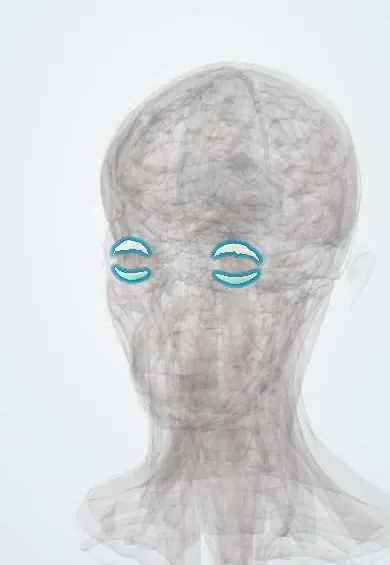
Representative model, for educational purposes only.