Bacterial vaginosis !
Bacterial vaginosis is a change in the vagina's normal bacteria, where protective lactobacilli are replaced by others; it is the top cause of unusual discharge.
Updated 2026-10-29
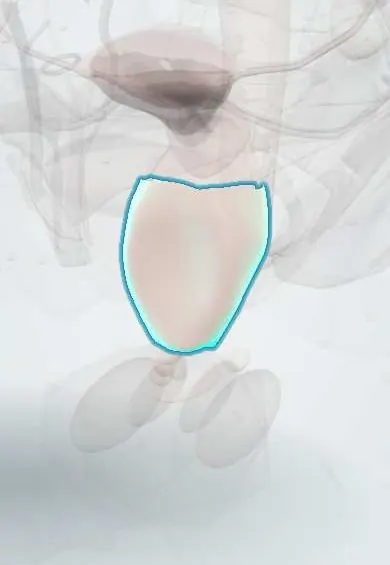
Structures involved
Tap one to see what it is and open it in 3D.
Microorganisms that cause it
In the clinical exam
Why it happens
What it is
A change in the vaginal flora in which protective lactobacilli are replaced by a mix of anaerobic bacteria, such as Gardnerella. It is the most common cause of abnormal vaginal discharge in women of reproductive age.
Who gets it
Very common in women of reproductive age worldwide, including Colombia. It is associated with sexual activity but is not classed as a classic sexually transmitted infection, and it can occur in women who have never had sex.
Causes
- Loss of hydrogen peroxide– and lactic acid–producing lactobacilli
- Overgrowth of Gardnerella vaginalis and other anaerobes forming a biofilm
Risk factors
- New or multiple sexual partners
- Vaginal douching
- Smoking
- Copper intrauterine device
- Lack of condom use
Pathophysiology
When lactobacilli decline, vaginal pH rises above 4.5 and anaerobes multiply. They produce amines that cause the typical fishy odour, especially after intercourse or menses when alkaline fluids raise the pH further. There is little inflammation, so itching and redness are usually absent.
Symptoms and signs
- Thin, homogeneous grey-white discharge coating the vaginal walls
- Fishy odour, often worse after intercourse or menstruation
- About half of women have no symptoms
- Little or no itching, redness or pain
Diagnosis
- Clinical
- Amsel criteria: at least three of four (thin homogeneous discharge, vaginal pH above 4.5, fishy odour on adding potassium hydroxide, clue cells on microscopy).
- Tests
- Wet mount microscopy for clue cells; vaginal pH; Gram stain with Nugent score (reference method); molecular tests where available. Screening for other sexually transmitted infections when appropriate.
- Imaging
- Not needed.
Differential diagnosis
- Trichomoniasis
- Vulvovaginal candidiasis
- Cervicitis (chlamydia or gonorrhoea)
- Physiological discharge
- Desquamative inflammatory vaginitis
Goal of treatment
Relieve symptoms and lower the risk of complications, especially in pregnancy and before gynaecological procedures.
Treatment
- Medical
- Nitroimidazole or lincosamide antibiotics, oral or vaginal, for women with symptoms.
- Medical
- Treatment of symptomatic pregnant women, as advised by guidelines.
- Conservative
- Routine treatment of male partners is not recommended; recurrence is common and may need suppressive regimens.
- Lifestyle
- Avoiding douching and using condoms may reduce recurrence.
Drugs for this condition
Complications
- Preterm birth and other pregnancy complications
- Pelvic inflammatory disease and infection after gynaecological procedures
- Higher risk of acquiring HIV and other sexually transmitted infections
- Recurrence
Prognosis
It responds well to treatment, but recurrence within months is common.
Prevention
- Avoiding vaginal douching
- Condom use
- Limiting the number of sexual partners
Test yourself
Think of the answer, then tap the question to see it.
What are the Amsel criteria for bacterial vaginosis?
Three of four: thin grey-white discharge, pH above 4.5, positive whiff test and clue cells.
What are clue cells?
Vaginal epithelial cells covered with adherent bacteria so their borders look stippled.
Why is itching usually absent in bacterial vaginosis?
It is a change in flora with little inflammation, so few white cells and little irritation.
Should the male partners of women with bacterial vaginosis be treated routinely?
No. Routine treatment of male partners has not been shown to prevent recurrence.
Which pregnancy complication is linked to bacterial vaginosis?
Preterm birth, as well as premature rupture of membranes.
Related conditions
Educational information, not medical advice. For any symptom, see a health professional.
Sources: Bacterial Vaginosis (StatPearls (NCBI Bookshelf), 2025).
Spotted a mistake?We are always improving for the community. Tell us what is wrong and our team will review it.Report a mistake
Representative model, for educational purposes only.