Conditions · Obstetrics and gynecology
Puerperal infection (postpartum endometritis and maternal sepsis) !
Infection after childbirth, most often of the uterine lining. It can progress to sepsis and is a leading cause of maternal death.
Updated 2026-11-01
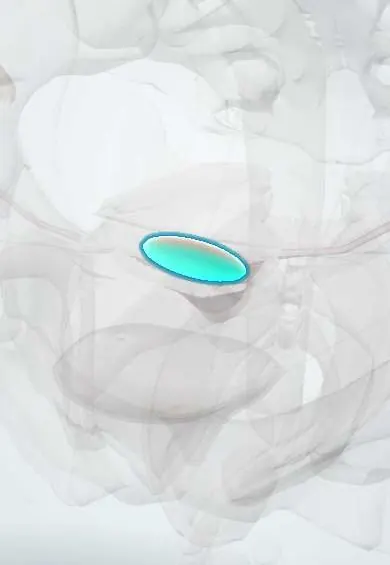
Structures involved
Tap one to see what it is and open it in 3D.
Why it happens
What it is
Bacterial infection of the genital tract that develops after birth or miscarriage, up to 42 days postpartum. The most frequent form is postpartum endometritis (infection of the endometrium, often extending to the myometrium); when it causes organ dysfunction it becomes maternal sepsis.
Who gets it
WHO ranks maternal infection, usually after childbirth, among the main direct causes of maternal death and calls maternal sepsis the third most common direct cause. In Colombia, infection is one of the leading causes of extreme maternal morbidity monitored by the national surveillance system, and the risk is much higher after caesarean section.
Causes
- Polymicrobial infection ascending from the vagina and cervix
- Aerobes: group A and group B streptococci, Escherichia coli, enterococci, Staphylococcus aureus
- Anaerobes: Bacteroides, Peptostreptococcus, Clostridium
- Chlamydia, gonorrhoea and Mycoplasma in some cases
Risk factors
- Caesarean section, especially after labour or ruptured membranes (the main risk factor)
- Prolonged rupture of membranes, prolonged labour and chorioamnionitis
- Many vaginal examinations and internal fetal monitoring
- Manual removal of the placenta or retained products of conception
- Postpartum haemorrhage and anaemia
- Obesity, diabetes, HIV and group B streptococcus colonisation
- Births without adequate hygiene or unsafe abortion
Pathophysiology
After delivery the placental site is a large raw wound with dead decidua and blood, a good medium for bacteria from the lower genital tract. Labour, instrumentation and surgery carry organisms into the uterus. Infection begins in the decidua and can spread to the myometrium, parametrium, pelvic veins and peritoneum and, through the bloodstream, cause sepsis and septic shock.
Classification
- Endometritis (endomyometritis)
- Surgical wound infection (caesarean incision, episiotomy or perineal tear)
- Pelvic abscess, parametritis and peritonitis
- Septic pelvic thrombophlebitis
- Maternal sepsis and septic shock
Symptoms and signs
- Fever (classically ≥38 °C after the first 24 hours postpartum)
- Lower abdominal pain and a tender, soft, poorly contracted uterus
- Foul-smelling or purulent lochia
- Chills, malaise and tachycardia
- Redness, discharge or pain at a caesarean or perineal wound
Diagnosis
- Clinical
- Diagnosed clinically from fever, uterine tenderness and abnormal lochia after delivery, with a search for other sources (breasts, urine, wound, lungs, legs). Warning scores for obstetric sepsis help detect deterioration early.
- Tests
- Complete blood count (leukocytosis is normal postpartum and interpreted with caution), lactate, blood cultures before antibiotics, urine culture, endometrial or wound cultures, kidney and liver function and coagulation tests when sepsis is suspected.
- Imaging
- Pelvic ultrasound looks for retained products or collections; CT or MRI for abscess or septic pelvic thrombophlebitis when fever does not settle.
Differential diagnosis
- Urinary tract infection or pyelonephritis
- Mastitis or breast abscess
- Pneumonia or atelectasis after anaesthesia
- Deep vein thrombosis and pulmonary embolism
- Drug fever, breast engorgement and the first-day physiological fever
Goal of treatment
Recognise infection early, start broad-spectrum intravenous antibiotics quickly, control the source (retained tissue, abscess, wound) and treat sepsis with fluids and organ support to prevent death.
Treatment
- Medical
- Intravenous broad-spectrum antibiotics covering aerobes and anaerobes, classically clindamycin plus gentamicin (ampicillin added for enterococcus), continued until the woman is afebrile and well for 24–48 hours.
- Acute
- In sepsis: antibiotics within the first hour, blood cultures, intravenous fluids, oxygen, lactate measurement and vasopressors in septic shock, with transfer to intensive care.
- Procedure
- Source control: evacuation of retained products of conception, opening and draining infected wounds, and drainage of pelvic abscesses.
- Surgical
- Laparotomy and, rarely, hysterectomy for necrotising uterine infection, ruptured abscess or peritonitis not responding to treatment.
- Medical
- Anticoagulation for septic pelvic thrombophlebitis that persists despite antibiotics.
- Follow-up
- Nursing priorities: temperature, heart rate, blood pressure, respiratory rate, consciousness and urine output on an obstetric early warning chart; uterine tone and lochia; hand hygiene and wound care; support for breastfeeding.
Drugs for this condition
Complications
- Maternal sepsis, septic shock and multiple organ failure
- Pelvic abscess and peritonitis
- Septic pelvic thrombophlebitis and septic emboli
- Wound dehiscence and necrotising fasciitis
- Secondary postpartum haemorrhage
- Infertility from tubal damage or intrauterine adhesions; maternal death
Prognosis
Most cases of endometritis respond within 48–72 hours of antibiotics and leave no sequelae. Delay in recognition or treatment, especially in sepsis, sharply increases the risk of death; good outcomes depend on early warning systems and rapid antibiotics.
Prevention
- Antibiotic prophylaxis before the skin incision for caesarean section
- Hand hygiene, clean birth practices and aseptic technique
- Limiting vaginal examinations, especially after rupture of membranes
- Treating chorioamnionitis and intrapartum group B streptococcus prophylaxis
- Birth in health facilities with skilled attendants and access to safe abortion care
Test yourself
Think of the answer, then tap the question to see it.
What is the single most important risk factor for postpartum endometritis?
Caesarean delivery, especially after labour or ruptured membranes.
What is the classic intravenous antibiotic regimen for postpartum endometritis?
Clindamycin plus gentamicin, continued until the woman is afebrile for 24–48 hours.
What three findings suggest endometritis after delivery?
Fever, a tender uterus and foul-smelling or purulent lochia.
Fever persists despite appropriate antibiotics and imaging shows no abscess or retained tissue. What should be suspected?
Septic pelvic thrombophlebitis, treated by adding anticoagulation.
What simple measure most reduces infection after caesarean section?
Prophylactic antibiotics given before the skin incision.
Related conditions
- Sepsis and septic shock
- Acute mastitis
- Urinary tract infection (acute cystitis)
- Acute pyelonephritis
- Postpartum haemorrhage
- Deep vein thrombosis
- Premature rupture of membranes (PROM and PPROM)
Educational information, not medical advice. For any symptom, see a health professional.
Sources: Endometritis (MedlinePlus (U.S. National Library of Medicine), 2024); Statement on maternal sepsis (World Health Organization, 2017); Maternal mortality (World Health Organization, 2025).
Spotted a mistake?We are always improving for the community. Tell us what is wrong and our team will review it.Report a mistake
Representative model, for educational purposes only.