Hypoglycaemia (including insulin-induced) !
Hypoglycaemia is blood sugar that falls too low, most often from diabetes treatment. It causes shaking and sweating and, if severe, confusion or seizures.
Updated 2026-11-01
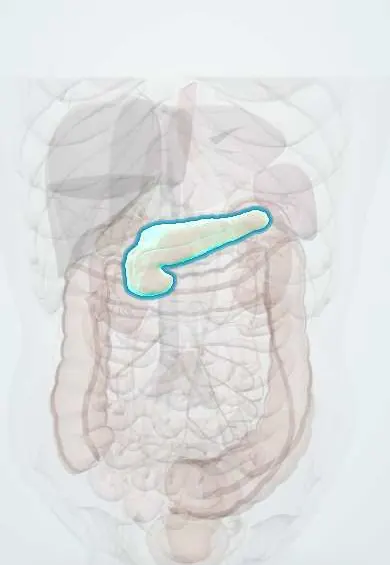
Structures involved
Tap one to see what it is and open it in 3D.
In the clinical exam
Why it happens
- The physiological response to hypoglycemia
- Glucagon and the counter-regulatory hormones
- Islets and insulin: secretion and actions
- Gluconeogenesis
- Ethanol metabolism
What it is
A blood glucose level low enough to cause symptoms or put the brain at risk, usually below 70 mg/dL in people with diabetes. Most cases in adults are caused by insulin or sulfonylureas; outside diabetes it is rare and needs a cause to be found.
Who gets it
The most frequent acute complication of drug-treated diabetes, and common in emergency departments in Colombia and Latin America as diabetes rises. Older adults, people with kidney disease and those on insulin are hit hardest; severe episodes are under-reported.
Causes
- Too much insulin or a sulfonylurea relative to food intake, often with a missed or late meal
- Unplanned or prolonged exercise, and alcohol, which blocks glucose release from the liver
- Reduced drug clearance in kidney failure or liver failure
- Critical illness: sepsis, severe liver disease, starvation
- Hormone deficiency: adrenal insufficiency or hypopituitarism
- Rare: insulinoma (insulin-secreting pancreatic tumour), post-bariatric hypoglycaemia, surreptitious insulin use
Risk factors
- Insulin therapy, especially intensive regimens, and sulfonylureas
- Older age and living alone
- Chronic kidney disease
- Hypoglycaemia unawareness after repeated episodes or long-standing diabetes
- Alcohol use and irregular meals
- Previous severe hypoglycaemia
Pathophysiology
Falling glucose first stops insulin release and then triggers glucagon and adrenaline, which raise glucose and cause the warning (autonomic) symptoms. If glucose keeps falling, the brain, which depends on glucose, runs short of fuel and neuroglycopenic symptoms appear. In long-standing diabetes the glucagon response is lost and repeated lows blunt the adrenaline response, so warning symptoms fade (hypoglycaemia unawareness).
Classification
- Level 1: glucose below 70 mg/dL but at or above 54 mg/dL
- Level 2: glucose below 54 mg/dL (clinically significant)
- Level 3 (severe): any low with altered mental or physical state needing help from another person
Symptoms and signs
- Autonomic: shaking, sweating, palpitations, anxiety, hunger, pallor
- Neuroglycopenic: confusion, difficulty concentrating, blurred vision, slurred speech, unusual behaviour
- Drowsiness that can progress to seizures and coma
- Nocturnal episodes: nightmares, night sweats, morning headache
Diagnosis
- Clinical
- Whipple triad: symptoms consistent with hypoglycaemia, a low glucose measured at the time, and relief of symptoms when glucose is raised. Every person with altered consciousness should have a bedside glucose check.
- Tests
- Capillary glucose at the bedside, confirmed with plasma glucose. Outside diabetes, blood taken during the episode for insulin, C-peptide, proinsulin, beta-hydroxybutyrate and a sulfonylurea screen; a supervised 72-hour fast if needed. Kidney and liver function, and cortisol if adrenal insufficiency is suspected.
- Imaging
- Not needed for typical drug-induced cases. CT, MRI or endoscopic ultrasound of the pancreas to locate a suspected insulinoma once the biochemistry confirms it.
Differential diagnosis
- Stroke or transient ischaemic attack
- Seizure disorder or postictal state
- Alcohol or drug intoxication
- Anxiety or panic attack
- Vasovagal syncope
Goal of treatment
Raise glucose quickly to protect the brain, prevent recurrence while the drug is still acting, and find and correct the cause so that episodes do not return.
Treatment
- Acute
- If the person is awake and can swallow: fast-acting oral glucose, rechecked after about 15 minutes and repeated if still low, then a snack with complex carbohydrate (the "rule of 15").
- Acute
- If unconscious or unable to swallow: intravenous dextrose, or glucagon by injection or nasal route when there is no venous access.
- Follow-up
- Frequent glucose checks and observation for hours after sulfonylurea or long-acting insulin lows; nursing priorities are airway, safety during seizures, and preventing aspiration.
- Medical
- Review and adjust the diabetes regimen (lower doses, drug classes with low hypoglycaemia risk, continuous glucose monitoring); treat adrenal or pituitary deficiency when present.
- Surgical
- Surgical removal of an insulinoma, usually curative.
Complications
- Seizures, falls and injuries, road accidents
- Arrhythmias and cardiovascular events in people with heart disease
- Permanent brain injury or death after prolonged severe episodes
- Hypoglycaemia unawareness and fear of hypoglycaemia that worsens glucose control
Prognosis
Most episodes resolve fully with prompt treatment. Severe or recurrent episodes are linked to higher mortality, especially in older adults, and point to a regimen or cause that needs to change.
Prevention
- Education on symptoms, self-treatment and carrying fast-acting glucose
- Matching insulin to meals and exercise, and caution with alcohol
- Individualised glucose targets in older or frail adults
- Glucagon available at home for people on insulin
Test yourself
Think of the answer, then tap the question to see it.
What is the Whipple triad?
Symptoms of hypoglycaemia, a documented low plasma glucose at that time, and relief of symptoms once glucose is raised.
How do you treat severe hypoglycaemia in an unconscious patient?
Intravenous dextrose, or glucagon by injection or nasal route if there is no venous access; nothing by mouth.
Which lab pattern points to exogenous insulin as the cause of hypoglycaemia?
High insulin with low (suppressed) C-peptide; an insulinoma or a sulfonylurea gives high insulin and high C-peptide.
Why do sulfonylurea-induced lows need prolonged observation?
The drug keeps stimulating insulin release for many hours, so glucose can fall again after initial correction.
Related conditions
- Type 1 diabetes mellitus
- Type 2 diabetes mellitus
- Adrenal insufficiency
- Adrenal crisis
- Sepsis and septic shock
- Alcoholic liver disease (biochemistry)
- Chronic kidney disease
Educational information, not medical advice. For any symptom, see a health professional.
Sources: Low blood sugar (MedlinePlus Medical Encyclopedia (U.S. National Library of Medicine), 2026).
Spotted a mistake?We are always improving for the community. Tell us what is wrong and our team will review it.Report a mistake
Representative model, for educational purposes only.