Conditions · Metabolism: amino acids and the urea cycle
Tyrosinaemia type I (hepatorenal) !
In tyrosinaemia type I tyrosine breakdown stops at its last step and toxins form that damage the liver, kidney and nerves.
Updated 2026-11-01
Structures involved
Tap one to see what it is and open it in 3D.
In biochemistry
- Phenylalanine and tyrosine metabolism: Step 3 · 4-Hydroxyphenylpyruvate dioxygenase (HPPD)
- Phenylalanine and tyrosine metabolism: Step 6 · Fumarylacetoacetate hydrolase (FAH)
- Tyrosine
What it is
An inherited disease from lack of fumarylacetoacetate hydrolase, the last enzyme of tyrosine breakdown.
Who gets it
It affects about 1 in 100,000 people worldwide; it is much more common in Quebec (Canada), especially the Saguenay-Lac-Saint-Jean region, and in Norway.
Causes
- Variants in both alleles of the FAH gene (autosomal recessive)
Risk factors
- Carrier parents
- Populations with a founder effect
Pathophysiology
Fumarylacetoacetate and maleylacetoacetate build up and turn into succinylacetone. These molecules damage hepatocytes and the proximal tubule and promote mutations (hepatocellular carcinoma). Succinylacetone inhibits ALA dehydratase of haem synthesis and causes porphyria-like neurological crises.
Classification
- Acute: liver failure in the first months
- Chronic: cirrhosis, rickets and tubulopathy in the first year or later
Symptoms and signs
- Failure to thrive and vomiting
- Jaundice, hepatomegaly and easy bleeding
- Rickets from renal phosphate loss (Fanconi syndrome)
- Boiled-cabbage odour
- Crises of pain and weakness from neuropathy
Diagnosis
- Clinical
- An infant with liver failure or tubulopathy; many cases are found by expanded newborn screening.
- Tests
- Succinylacetone in blood or urine (diagnostic); high plasma tyrosine and methionine; very high alpha-fetoprotein; FAH gene testing.
- Imaging
- Liver ultrasound and MRI to look for nodules and hepatocellular carcinoma.
Treatment
- Medical
- Nitisinone, which blocks 4-hydroxyphenylpyruvate dioxygenase and prevents the toxins from forming
- Lifestyle
- Low-tyrosine, low-phenylalanine diet with a special formula
- Surgical
- Liver transplant for liver failure that does not respond, or carcinoma
- Follow-up
- Follow-up of succinylacetone, tyrosine, alpha-fetoprotein and liver imaging
Complications
- Liver failure
- Cirrhosis and hepatocellular carcinoma
- Rickets and renal tubulopathy
- Neurological crises
Prognosis
With early nitisinone, survival and cancer risk are much better than in the era before it.
Prevention
- Newborn screening with succinylacetone
- Genetic counselling
Test yourself
Think of the answer, then tap the question to see it.
Which enzyme is missing in tyrosinaemia type I?
Fumarylacetoacetate hydrolase, the last step of tyrosine breakdown.
Which metabolite is diagnostic?
Succinylacetone in blood or urine.
How does nitisinone work?
It inhibits 4-hydroxyphenylpyruvate dioxygenase, an earlier step, so fumarylacetoacetate and succinylacetone are not formed.
Why are there porphyria-like crises?
Succinylacetone inhibits ALA dehydratase, and neurotoxic δ-aminolevulinic acid builds up.
Related conditions
Educational information, not medical advice. For any symptom, see a health professional.
Sources: Tyrosinemia: MedlinePlus Genetics (MedlinePlus, US National Library of Medicine, 2026); FAH gene: MedlinePlus Genetics (MedlinePlus, US National Library of Medicine, 2026); Tyrosine catabolism (Reactome, 2026).
Spotted a mistake?We are always improving for the community. Tell us what is wrong and our team will review it.Report a mistake
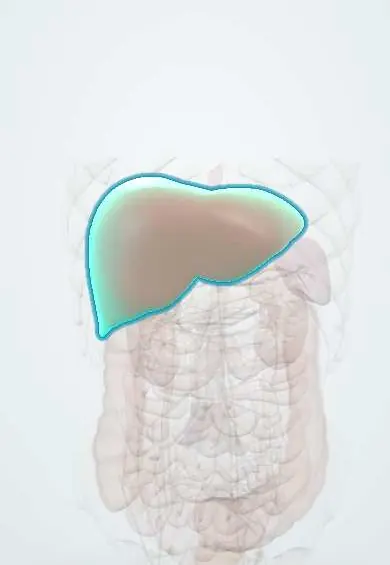
Representative model, for educational purposes only.