Conditions · Metabolism: mitochondria and energy
Carbon monoxide poisoning !
Carbon monoxide is an odourless gas that occupies hemoglobin and blocks mitochondria; it causes headache and confusion and can kill.
Updated 2026-11-01
Structures involved
Tap one to see what it is and open it in 3D.
In biochemistry
- Spectrophotometry and colorimetry (Beer–Lambert law)
- Cytochrome c oxidase (complex IV)
- Reactive oxygen species and antioxidants
- Oxygen binding: haemoglobin versus myoglobin
In physiology
- Polycythemia: physiological causes
- Diving, decompression and hyperbaric oxygen
- The causes of hypoxemia
- Oxygen transport and the dissociation curve
- Oxygenation: SpO₂, PaO₂, cyanosis and oxygen therapy
- Diffusion across the respiratory membrane and DLCO
- Carbon monoxide, methemoglobin and cyanide
Why it happens
- Causes of cell injury
- Air pollution and occupational exposures
- Mechanisms of cell injury: ATP, mitochondria, calcium, membranes and DNA
- Thermal injury: burns, hyperthermia and hypothermia
What it is
Poisoning by inhaled carbon monoxide (CO), a colourless, odourless gas from incomplete combustion, which reduces both oxygen transport and oxygen use.
Who gets it
One of the most common gas poisonings. In Colombia cases occur every year from gas water heaters, stoves and braziers in closed rooms (especially in cold areas), generators, vehicles running in garages and fires; it often affects several members of a family at once.
Causes
- Poorly installed or unvented gas water heaters
- Wood, charcoal or gas stoves and braziers in closed rooms
- Combustion engines (vehicles, generators) in enclosed spaces
- Fires
- Methylene chloride (paint strippers), which the liver turns into CO
Risk factors
- Poorly ventilated homes and unserviced gas appliances
- Cold climate
- Pregnancy (the fetus is more sensitive)
- Coronary disease or anemia
- Children and older adults
Pathophysiology
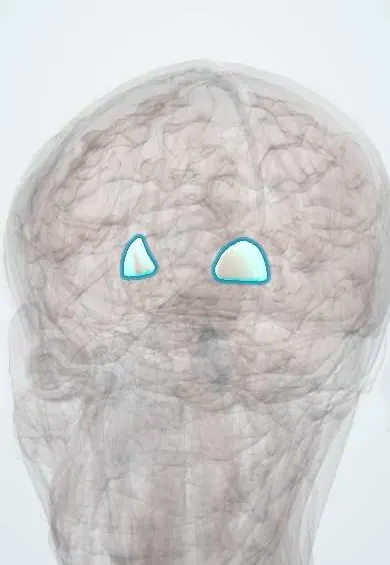
CO binds hemoglobin with about 200–250 times the affinity of O₂, forming carboxyhemoglobin: the blood carries less oxygen and the dissociation curve shifts left, so hemoglobin releases its remaining O₂ poorly. CO also binds cytochrome c oxidase (complex IV) and myoglobin, inhibits cellular respiration and triggers oxidative stress and inflammation in the brain. The globus pallidus and white matter are especially vulnerable. Fetal hemoglobin binds CO even more tightly.
Classification
- Mild acute (headache, nausea)
- Severe acute (syncope, seizures, coma, cardiac ischemia)
- Chronic low-level
- Delayed neuropsychiatric syndrome (days to weeks later)
Symptoms and signs
- Headache, dizziness and nausea (often mistaken for a viral illness)
- Weakness, chest pain and shortness of breath
- Confusion, blurred vision, syncope
- Seizures and coma
- Cherry-red skin (rare and late)
- Several people from the same place with similar symptoms
Diagnosis
- Clinical
- Suspected from the exposure and group symptoms; conventional pulse oximetry reads falsely normal.
- Tests
- Carboxyhemoglobin by co-oximetry on arterial or venous blood, arterial blood gases, lactate, troponin, electrocardiogram, pregnancy test; cyanide or lactate if there was a fire.
- Imaging
- Chest X-ray as needed; brain MRI or CT can show damage to the globus pallidus and white matter.
Treatment
- Acute
- Removal from the source and 100% oxygen by non-rebreather mask or ventilation; it greatly shortens carboxyhemoglobin half-life.
- Procedure
- Hyperbaric oxygen in severe cases (loss of consciousness, neurological deficit, pregnancy, cardiac ischemia), where available.
- Follow-up
- Cardiac monitoring, troponin and neurological and cognitive follow-up for delayed sequelae.
- Acute
- In fire victims, also consider cyanide poisoning.
Drugs for this condition
Complications
- Delayed neuropsychiatric syndrome (memory and behaviour problems, parkinsonism)
- Myocardial infarction and arrhythmias
- Rhabdomyolysis
- Death or fetal harm
Prognosis
Mild cases recover with oxygen; after severe poisoning, cognitive or motor sequelae can remain in a sizeable share of patients.
Prevention
- Install and regularly service gas appliances with proper venting
- Carbon monoxide detectors at home
- No braziers or generators in enclosed spaces
- No vehicles left running in closed garages
Test yourself
Think of the answer, then tap the question to see it.
Why does conventional pulse oximetry fail in CO poisoning?
The pulse oximeter cannot tell carboxyhemoglobin from oxyhemoglobin; co-oximetry is needed.
Which way does CO shift the hemoglobin dissociation curve?
To the left: hemoglobin releases the O₂ it still carries poorly.
Which brain structure is typically damaged in severe CO poisoning?
The globus pallidus, along with the white matter.
Why is 100% oxygen given in CO poisoning?
It competes with CO for hemoglobin and greatly shortens carboxyhemoglobin half-life.
Related conditions
Educational information, not medical advice. For any symptom, see a health professional.
Sources: Carbon monoxide poisoning: MedlinePlus Medical Encyclopedia (MedlinePlus, US National Library of Medicine, 2026); Carbon Monoxide Poisoning: MedlinePlus (MedlinePlus, US National Library of Medicine, 2026); Carbon Monoxide (CID 281) (PubChem, NCBI, 2026) · Public domain; Textbook of Biochemistry for Medical Students, 6th ed. (Jaypee Brothers Medical Publishers (Vasudevan DM, Sreekumari S, Vaidyanathan K), 2011).
Spotted a mistake?We are always improving for the community. Tell us what is wrong and our team will review it.Report a mistake
Representative model, for educational purposes only.