Conditions · Metabolism (biochemistry)
Lactic acidosis !
Lactic acidosis is too much lactic acid in the blood; it usually means the tissues are not getting enough oxygen.
Updated 2026-10-31
Structures involved
Tap one to see what it is and open it in 3D.
In biochemistry
- Glycolysis: Without oxygen (LDH) · Lactate dehydrogenase (without oxygen)
- Gluconeogenesis: Step 1 · Pyruvate carboxylase
- Malate–aspartate shuttle: Step 1 · Malate dehydrogenase 1 (cytosolic, MDH1)
- Ethanol metabolism: Step 4 · Citrate synthase (entry to the Krebs cycle)
- Alanine
- Glucose 6-phosphate
- Pyruvate
- Lactate
- ATP (adenosine triphosphate)
- NAD⁺ (nicotinamide adenine dinucleotide)
- Pyruvate dehydrogenase complex (PDH)
- Pyruvate carboxylase
- Fructose-1,6-bisphosphatase (FBPase-1)
- Glucose-6-phosphatase
- Cori cycle
- Acid–base interpretation (step by step)
- Anion gap and delta ratio
- pH, buffers and the Henderson–Hasselbalch equation
- Exercise metabolism
- Complex I (NADH dehydrogenase)
- Complex III (cytochrome bc₁)
- Cytochrome c oxidase (complex IV)
- Warburg effect (aerobic glycolysis in cancer)
- Thiamine (vitamin B1)
In physiology
What it is
High anion gap metabolic acidosis from lactate buildup, usually 4–5 mmol/L or more with a low pH.
Causes
- Type A (tissue hypoxia): septic, hypovolemic or cardiogenic shock; gut or limb ischemia; severe hypoxemia
- Type B (no hypoxia): metformin with kidney failure, liver failure, thiamine deficiency, blood cancers, toxins (alcohols, cyanide), inborn errors (PDH deficiency)
- D-lactic: short bowel with bacterial overgrowth
Risk factors
- Sepsis and shock
- Metformin with low kidney function
- Alcohol use and malnutrition (thiamine deficiency)
- Liver failure
Pathophysiology
Without oxygen the mitochondria cannot take NADH or pyruvate; lactate dehydrogenase turns pyruvate into lactate to regenerate NAD⁺ and glycolysis goes on. When production outpaces what the liver and kidney can recycle (Cori cycle), lactate and protons build up. If PDH fails (thiamine deficiency, arsenic, a genetic defect), pyruvate is also diverted to lactate.
Classification
- Type A (hypoxia)
- Type B1 (underlying disease), B2 (drugs and toxins), B3 (inborn errors)
Symptoms and signs
- Fast, deep breathing
- Nausea, vomiting, abdominal pain
- Weakness, confusion
- Signs of the underlying shock: low blood pressure, cold skin, little urine
Diagnosis
- Clinical
- Look for the cause: perfusion, infection, drugs (metformin), alcohol, liver, malnutrition.
- Tests
- Arterial or venous blood lactate, gases (pH, bicarbonate), anion gap, kidney and liver tests, glucose, ketones, blood cultures; toxin levels if suspected. The lactate/pyruvate ratio helps in inborn errors.
- Imaging
- By suspected cause: contrast CT if gut ischemia is suspected, echocardiography in shock.
Treatment
- Acute
- Treat the cause: restore perfusion (fluids, vasopressors), control the infection
- Medical
- Intravenous thiamine when deficiency is possible (alcohol, malnutrition)
- Procedure
- Hemodialysis for severe metformin-associated acidosis or with kidney failure
- Follow-up
- Repeat lactate to guide resuscitation
Complications
- Multiple organ failure
- Arrhythmias from severe acidosis
Prognosis
It depends on the cause; a lactate that fails to fall with treatment means higher mortality.
Test yourself
Think of the answer, then tap the question to see it.
What separates type A from type B lactic acidosis?
Type A comes from tissue oxygen lack; type B happens without hypoxia (drugs, liver, thiamine, inborn errors).
Which vitamin is given in lactic acidosis in a patient with alcohol use disorder?
Thiamine (B1), the pyruvate dehydrogenase cofactor.
Why do cells make lactate when oxygen is short?
To regenerate the NAD⁺ glycolysis needs at the GAPDH step.
Related conditions
Educational information, not medical advice. For any symptom, see a health professional.
Sources: Lactic acidosis: MedlinePlus Medical Encyclopedia (MedlinePlus, US National Library of Medicine, 2026); Lactate Test: MedlinePlus Medical Test (MedlinePlus, US National Library of Medicine, 2026); Textbook of Biochemistry for Medical Students, 6th ed. (Jaypee Brothers Medical Publishers (Vasudevan DM, Sreekumari S, Vaidyanathan K), 2011).
Spotted a mistake?We are always improving for the community. Tell us what is wrong and our team will review it.Report a mistake
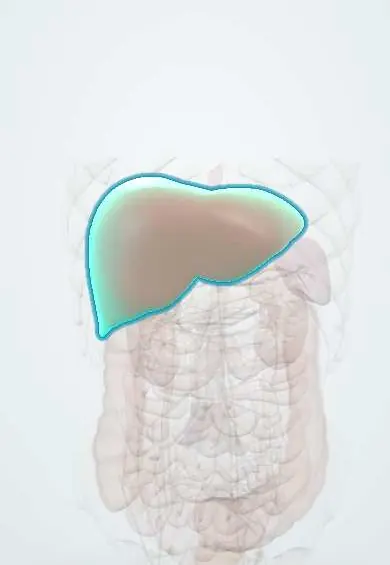
Representative model, for educational purposes only.