Conduct disorder and oppositional defiant disorder !
Childhood behaviour disorders: defiance and anger towards adults (oppositional defiant) or serious violation of others' rights and rules (conduct disorder).
Updated 2026-11-01
Structures involved
Tap one to see what it is and open it in 3D.
What it is
Two related disruptive behaviour disorders of childhood and adolescence. Oppositional defiant disorder (ODD) is a persistent pattern of angry or irritable mood, argumentative and defiant behaviour and vindictiveness. Conduct disorder is more serious: a repeated pattern of violating the basic rights of others or major age-appropriate rules, such as aggression, destruction of property, theft or running away.
Who gets it
Among the most common reasons for child and adolescent mental-health referral; more frequent in boys. ODD often starts in early school years and may precede conduct disorder. In Colombia, exposure to family violence, armed conflict, displacement and poverty adds to the risk.
Causes
- Genetic factors and difficult temperament
- Harsh, inconsistent or neglectful parenting
- Child abuse, family violence and parental substance use
- Peer rejection and association with antisocial peers
- Neighbourhood violence, poverty and school failure
Risk factors
- Male sex
- ADHD and learning difficulties
- Parental antisocial behaviour or mental illness
- Maltreatment and exposure to violence
- Early onset of aggressive behaviour
Pathophysiology
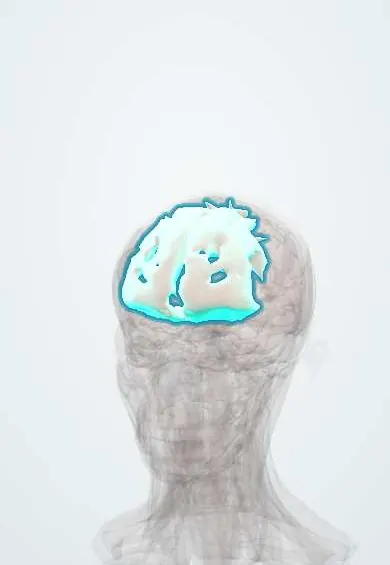
Neuroimaging and physiological studies point to weaker frontal (prefrontal) control of impulses and reduced amygdala responses to others' distress, particularly in youth with callous-unemotional traits, together with low autonomic arousal. These biological factors interact with adverse environments, so that aggression is learned and reinforced through coercive family cycles.
Classification
- Oppositional defiant disorder: angry/irritable mood, argumentative/defiant behaviour, vindictiveness
- Conduct disorder, childhood-onset type: at least one symptom before age 10
- Conduct disorder, adolescent-onset type: no symptoms before age 10
- Specifier with limited prosocial emotions (callous-unemotional traits)
Symptoms and signs
- ODD: frequent temper outbursts, touchiness and resentment
- ODD: arguing with adults, refusing rules and deliberately annoying others
- Conduct disorder: bullying, fighting, use of weapons and cruelty to people or animals
- Conduct disorder: fire-setting and destruction of property
- Conduct disorder: lying, theft and breaking into homes or cars
- Conduct disorder: staying out at night, running away and truancy
Diagnosis
- Clinical
- Clinical diagnosis with information from parents, teachers and the young person. ODD: at least 4 symptoms for at least 6 months, shown with at least one person who is not a sibling. Conduct disorder: at least 3 of 15 behaviours in the past 12 months in four groups (aggression to people and animals, destruction of property, deceitfulness or theft, serious violation of rules). After age 18, antisocial personality disorder is considered if conduct disorder began before 15.
- Tests
- No laboratory test confirms it. Screening for ADHD, learning disorders, depression, substance use and maltreatment.
- Imaging
- Not needed.
Differential diagnosis
- ADHD (impulsivity without deliberate defiance)
- Depressive or bipolar disorder with irritability
- Disruptive mood dysregulation disorder
- Intellectual disability or language disorder
- Normal developmental or adolescent defiance
Goal of treatment
Reduce aggressive and antisocial behaviour, improve family functioning and school performance, treat coexisting disorders and protect the child from maltreatment.
Treatment
- Conservative
- Parent management training is first-line, especially in younger children: consistent rules, praise for positive behaviour and non-violent consequences.
- Conservative
- For adolescents, family and community programmes (such as multisystemic therapy), cognitive behavioural problem-solving skills and school support.
- Medical
- Medicines treat coexisting conditions (stimulants for ADHD); antipsychotics or mood stabilisers are reserved for severe, persistent aggression, short term and with metabolic monitoring.
- Follow-up
- Assessment of safety and maltreatment, with activation of child-protection services (ICBF in Colombia) when needed.
Complications
- School dropout and unemployment
- Substance use disorders
- Involvement with the justice system
- Antisocial personality disorder in adulthood
- Injuries, teenage pregnancy and sexually transmitted infections
- Depression and suicide
Prognosis
Many children with ODD improve, especially with early parenting interventions. Childhood-onset conduct disorder and callous-unemotional traits predict a worse course, with a higher risk of persistent antisocial behaviour and antisocial personality disorder in adulthood.
Prevention
- Early parenting support programmes and home visits
- Preventing child abuse and family violence
- Early identification and treatment of ADHD and learning problems
Test yourself
Think of the answer, then tap the question to see it.
Which personality disorder can be diagnosed in adults with a history of conduct disorder before age 15?
Antisocial personality disorder.
What separates oppositional defiant disorder from conduct disorder?
ODD involves defiance and anger without serious violation of others' rights; conduct disorder involves aggression, destruction, theft or serious rule-breaking.
What is the first-line treatment for oppositional defiant disorder in young children?
Parent management training.
Which neurodevelopmental disorder most often coexists with conduct disorder?
ADHD.
Related conditions
- Attention-deficit/hyperactivity disorder (ADHD)
- Personality disorders (clusters A, B and C)
- Stimulant use disorder (cocaine, amphetamines)
- Cannabis use disorder
- Alcohol use disorder
- Major depressive disorder
- Child maltreatment (physical abuse, abusive head trauma, neglect)
- Suicidal behaviour and suicide risk
Educational information, not medical advice. For any symptom, see a health professional.
Sources: Conduct disorder (MedlinePlus (U.S. National Library of Medicine), 2025); Oppositional defiant disorder (MedlinePlus (U.S. National Library of Medicine), 2025).
Spotted a mistake?We are always improving for the community. Tell us what is wrong and our team will review it.Report a mistake
Representative model, for educational purposes only.