Cannabis use disorder !
Cannabis (marijuana) use that becomes hard to control and causes problems. It can trigger anxiety, psychosis and, with heavy use, repeated vomiting.
Updated 2026-11-01
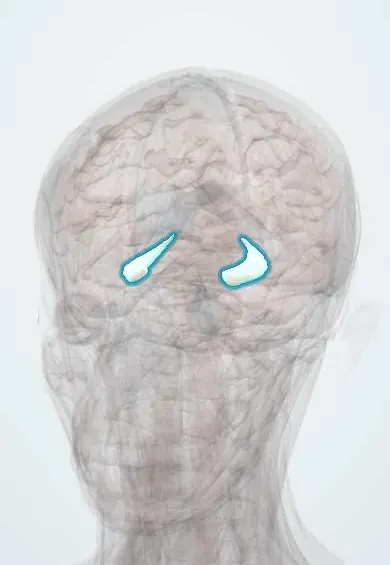
Structures involved
Tap one to see what it is and open it in 3D.
Why it happens
What it is
A substance use disorder in which repeated cannabis use leads to loss of control, craving and harm in school, work or relationships. This page also covers acute intoxication, cannabis withdrawal and cannabinoid hyperemesis syndrome, a cyclic vomiting syndrome in long-term heavy users.
Who gets it
Cannabis is the most widely used illegal drug in Colombia and Latin America, with first use often in adolescence. About one in ten users develops a use disorder, more among those who start young or use daily. Products with high THC concentration and edibles are increasing, together with emergency visits for intoxication and hyperemesis.
Causes
- Repeated exposure to THC, which activates the brain's cannabinoid CB1 receptors and reward system
- Use of high-potency products (concentrates, high-THC strains)
- Genetic vulnerability and family history of substance use
- Coexisting anxiety, depression or ADHD, with use as self-medication
Risk factors
- Starting use before age 16
- Daily or near-daily use
- Male sex
- Use of tobacco or alcohol and peer use
- Family history of psychosis (for cannabis-related psychosis)
Pathophysiology
THC is a partial agonist of CB1 receptors, which are abundant in the hippocampus (memory), the prefrontal cortex (attention and judgement), the basal ganglia and cerebellum (coordination) and the amygdala. Activation indirectly releases dopamine in the reward pathway. Chronic use causes down-regulation of CB1 receptors, tolerance and withdrawal. In the developing adolescent brain, heavy use is associated with lasting attention and memory problems and a higher risk of psychosis. In the hyperemesis syndrome, chronic activation of cannabinoid receptors in the gut and hypothalamus disturbs control of nausea and temperature.
Classification
- Severity by DSM-5 criteria: mild, moderate or severe
- Cannabis intoxication
- Cannabis withdrawal
- Cannabinoid hyperemesis syndrome
- Cannabis-induced psychotic or anxiety disorder
Symptoms and signs
- Intoxication: euphoria, relaxation, altered perception of time, increased appetite
- Red eyes (conjunctival injection), dry mouth and tachycardia
- Slowed reaction time, poor coordination and impaired short-term memory
- Anxiety, panic or paranoia, and sometimes hallucinations
- Withdrawal (1–2 days after stopping): irritability, anxiety, insomnia, vivid dreams, decreased appetite and craving
- Hyperemesis syndrome: repeated bouts of nausea, vomiting and abdominal pain relieved by hot showers or baths
Diagnosis
- Clinical
- History and DSM-5 criteria. Cannabinoid hyperemesis syndrome is suspected in a long-term, frequent user with cyclic vomiting, compulsive hot bathing and relief of symptoms after stopping cannabis.
- Tests
- Urine drug screen for THC metabolites (positive for days in occasional users and weeks in heavy users, so it does not prove current intoxication). In vomiting: electrolytes, kidney function, lipase and pregnancy test to exclude other causes.
- Imaging
- Not routine. Head CT for focal signs or trauma; abdominal imaging only if another abdominal cause is suspected.
Differential diagnosis
- Other substance intoxication (synthetic cannabinoids, hallucinogens, alcohol)
- Primary psychotic disorder (schizophrenia) or anxiety disorder
- Cyclic vomiting syndrome, gastroparesis or pancreatitis (for hyperemesis)
- Diabetic ketoacidosis or pregnancy in a young person who vomits
Goal of treatment
Reduce or stop use, treat withdrawal symptoms and coexisting mental disorders, and manage acute complications.
Treatment
- Conservative
- Motivational interviewing and cognitive behavioural therapy, the main evidence-based treatments
- Conservative
- Contingency management and family-based therapy for adolescents
- Acute
- Hyperemesis: intravenous fluids and electrolyte replacement, antiemetics, topical capsaicin and, in some cases, an antipsychotic; definitive treatment is stopping cannabis
- Medical
- No approved medication for the use disorder; short-term symptomatic treatment for insomnia or anxiety in withdrawal; antipsychotics for cannabis-induced psychosis
- Follow-up
- Nursing: monitor hydration and electrolytes, calm environment in intoxication, screening for suicide risk and education on driving risk
Complications
- Precipitation or worsening of schizophrenia and other psychotic disorders
- Depression, anxiety and lower educational achievement with early heavy use
- Cannabinoid hyperemesis syndrome with dehydration and acute kidney injury
- Chronic bronchitis when smoked; traffic accidents
- Low birth weight with use in pregnancy
Prognosis
Many users reduce or stop use without treatment, but those with early onset, daily use or coexisting mental illness have higher relapse rates. Hyperemesis resolves when cannabis is stopped and returns if use resumes.
Prevention
- Delay first use, especially in adolescence
- School prevention programmes
- Education about high-potency products, edibles and driving
Test yourself
Think of the answer, then tap the question to see it.
A young daily cannabis user has cyclic vomiting relieved by hot showers. Diagnosis?
Cannabinoid hyperemesis syndrome.
What is the definitive treatment of cannabinoid hyperemesis syndrome?
Stopping cannabis use.
What are two typical physical signs of cannabis intoxication?
Conjunctival injection (red eyes) and tachycardia, plus increased appetite and dry mouth.
Which serious psychiatric disorder is linked to heavy adolescent cannabis use?
Psychosis, including earlier onset of schizophrenia in vulnerable people.
Related conditions
- Cannabis toxicity and cannabinoid hyperemesis syndrome
- Schizophrenia
- Schizoaffective, schizophreniform, brief psychotic and delusional disorders
- Major depressive disorder
- Generalized anxiety disorder
- Tobacco use disorder
- Gastroparesis (delayed gastric emptying)
- Acute pancreatitis
Educational information, not medical advice. For any symptom, see a health professional.
Sources: Cannabis (Marijuana) (National Institute on Drug Abuse (NIDA), 2025).
Spotted a mistake?We are always improving for the community. Tell us what is wrong and our team will review it.Report a mistake
Representative model, for educational purposes only.