Personality disorders (clusters A, B and C) !
Personality disorders are lasting, rigid ways of thinking, feeling and relating that cause distress or problems. There are ten types in three clusters.
Updated 2026-11-01
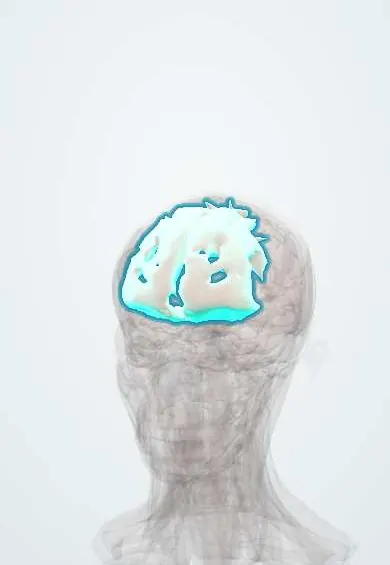
Structures involved
Tap one to see what it is and open it in 3D.
What it is
An enduring, inflexible pattern of inner experience and behaviour that deviates markedly from cultural expectations, affects thinking, emotion, relationships and impulse control, begins by adolescence or early adulthood and causes distress or impairment. The DSM-5-TR groups ten types into three clusters.
Who gets it
Together they affect about 1 in 10 adults. Borderline personality disorder is common in psychiatric emergency and inpatient services, where it is linked to self-harm; antisocial personality disorder is more frequent in men and in prison populations. Diagnosis is usually not made before age 18 (antisocial requires age 18 and conduct disorder before 15).
Causes
- Heritable temperament (impulsivity, emotional reactivity, anxiety)
- Childhood abuse, neglect, invalidating environments or early loss
- Cluster A shows a genetic link with schizophrenia
- Interaction between biological vulnerability and adverse environment
Risk factors
- Childhood trauma, especially sexual abuse (borderline)
- Childhood conduct disorder (antisocial)
- Family history of schizophrenia (cluster A) or of personality, mood or substance disorders
- Unstable family environment and parental substance use
Pathophysiology
Personality reflects temperament shaped by experience. In borderline personality disorder, neuroimaging shows a hyper-reactive amygdala and weaker top-down control from the prefrontal and anterior cingulate cortex, matching intense, rapidly shifting emotions and impulsivity. In antisocial personality, reduced prefrontal function and blunted amygdala responses to fear and others' distress are described. These are group findings, not diagnostic tests.
Classification
- Cluster A (odd, eccentric): paranoid, schizoid, schizotypal
- Cluster B (dramatic, emotional, erratic): antisocial, borderline, histrionic, narcissistic
- Cluster C (anxious, fearful): avoidant, dependent, obsessive-compulsive
Symptoms and signs
- Cluster A: suspiciousness (paranoid), detachment and preference for solitude (schizoid), odd beliefs, magical thinking and eccentric appearance (schizotypal)
- Borderline: unstable relationships and self-image, fear of abandonment, splitting, impulsivity, recurrent self-harm, chronic emptiness and intense anger
- Antisocial: disregard for others' rights, deceit, aggression, irresponsibility and lack of remorse
- Histrionic: attention-seeking and shallow emotion; narcissistic: grandiosity, need for admiration, lack of empathy
- Cluster C: avoidance from fear of rejection (avoidant), need to be cared for (dependent), perfectionism and rigidity (obsessive-compulsive)
Diagnosis
- Clinical
- Diagnosis by a mental health professional from a longitudinal history, collateral information and DSM-5-TR criteria; the pattern must be pervasive and stable over time, not limited to episodes of another mental disorder or substance use. Suicide and violence risk assessment is part of every evaluation.
- Tests
- No laboratory test diagnoses a personality disorder. Toxicology screening when substance use is suspected; structured interviews or questionnaires may support the assessment.
- Imaging
- Not used for diagnosis; imaging only if a late change in personality suggests a brain lesion (e.g. frontal tumour or injury).
Differential diagnosis
- Bipolar disorder (episodic mood changes lasting days, not lifelong instability)
- Schizophrenia and delusional disorder (cluster A has no persistent psychosis)
- Post-traumatic stress disorder
- Substance use disorders
- Personality change due to a medical condition (frontal lobe injury, tumour)
Goal of treatment
Reduce self-harm and crises, improve emotional regulation and relationships, and treat coexisting depression, anxiety or substance use, mainly through long-term psychotherapy with a consistent team.
Treatment
- Conservative
- Psychotherapy is the main treatment. For borderline: dialectical behaviour therapy (DBT), mentalisation-based therapy, schema therapy or transference-focused therapy. Cognitive behavioural therapy helps cluster C.
- Medical
- No drug is approved for personality disorders themselves. Medicines (SSRIs, mood stabilisers, low-dose antipsychotics) are used for specific symptoms or coexisting disorders, for limited periods, with attention to overdose risk.
- Acute
- Crisis care for suicidal behaviour: safety assessment, removal of means, and brief admission only when needed.
- Follow-up
- Nursing care sets clear, consistent limits, avoids being drawn into splitting among staff, and monitors suicide risk.
Complications
- Suicide (borderline carries a high lifetime risk)
- Depression, anxiety, eating and substance use disorders
- Violence, legal problems and incarceration (antisocial)
- Unemployment and relationship breakdown
Prognosis
Long-term but not unchangeable. Many people with borderline personality disorder improve markedly with time and specific psychotherapy, and impulsive behaviours often decline after age 40; antisocial behaviour also tends to lessen with age. Cluster A traits tend to be more stable.
Test yourself
Think of the answer, then tap the question to see it.
What are the three clusters of personality disorders and their general descriptors?
A: odd or eccentric; B: dramatic, emotional or erratic; C: anxious or fearful.
What is the psychotherapy with the strongest evidence for borderline personality disorder?
Dialectical behaviour therapy (DBT), which reduces self-harm and suicidal behaviour.
What two age conditions are required to diagnose antisocial personality disorder?
The person is at least 18 years old and had conduct disorder before age 15.
Which defence mechanism, seeing people as all good or all bad, is typical of borderline personality disorder?
Splitting.
Which personality disorder differs from schizophrenia mainly by lacking persistent psychosis but shows magical thinking and odd beliefs?
Schizotypal personality disorder (cluster A).
Related conditions
- Obsessive-compulsive disorder (OCD)
- Attention-deficit/hyperactivity disorder (ADHD)
- Bulimia nervosa
- Autism spectrum disorder (ASD)
Educational information, not medical advice. For any symptom, see a health professional.
Sources: Personality Disorders (MedlinePlus, US National Library of Medicine, 2024).
Spotted a mistake?We are always improving for the community. Tell us what is wrong and our team will review it.Report a mistake
Representative model, for educational purposes only.