Stimulant use disorder (cocaine, amphetamines) !
Hard-to-control use of cocaine, basuco or amphetamines that causes harm. Intoxication can cause heart attack, stroke and psychosis; withdrawal brings a crash.
Updated 2026-11-01
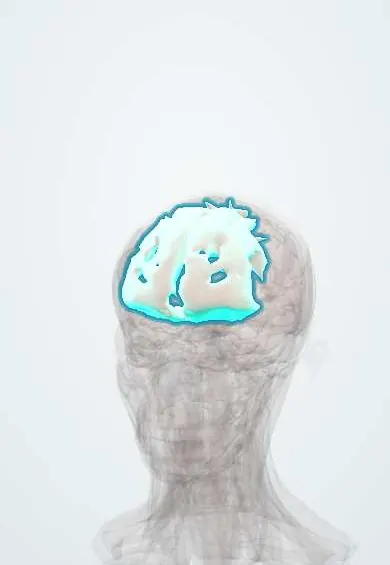
Structures involved
Tap one to see what it is and open it in 3D.
Why it happens
- Drugs of abuse: cocaine, opioids, amphetamines, cannabis
- The main neurotransmitters
- Adrenergic and cholinergic receptors
What it is
A substance use disorder involving cocaine (powder, crack or coca paste such as basuco) or amphetamine-type stimulants (methamphetamine, amphetamine, MDMA), in which repeated use leads to loss of control, craving and harm. This page also covers the acute effects of intoxication and the withdrawal syndrome, which students are commonly examined on.
Who gets it
Colombia is a major cocaine producer and, along with other Latin American countries, has rising domestic use of cocaine and basuco, especially among young men and people living on the street. Amphetamine-type stimulants and synthetic drugs (such as tusi, a mixture sold as pink cocaine) are growing among young adults in cities. Cocaine is a leading drug-related cause of emergency visits for chest pain.
Causes
- Repeated use of a drug that strongly increases brain dopamine, reinforcing the behaviour
- Genetic vulnerability and family history of addiction
- Early first use in adolescence, peer and environmental exposure
- Coexisting mental disorders (ADHD, depression, PTSD) and use of other substances, especially alcohol
Risk factors
- Male sex and age 18 to 35
- Easy drug availability and poverty, homelessness or displacement
- Childhood adversity and trauma
- Use of alcohol or tobacco from an early age
- Smoked or injected routes, which act faster and are more addictive
Pathophysiology
Cocaine blocks reuptake of dopamine, noradrenaline and serotonin; amphetamines also release these transmitters from the nerve endings. The sudden rise in dopamine in the mesolimbic reward pathway (ventral tegmental area to the ventral striatum) produces euphoria and reinforces use; prefrontal control weakens over time. Excess noradrenaline causes vasoconstriction, tachycardia and hypertension, with coronary spasm and increased platelet aggregation. After a binge, depleted dopamine produces the 'crash'.
Classification
- Severity by number of DSM-5 criteria: mild (2–3), moderate (4–5), severe (6 or more)
- By substance: cocaine-type or amphetamine-type
- Intoxication: euphoria, hyperactivity, dilated pupils, tachycardia, hypertension, hyperthermia, possible psychosis
- Withdrawal: dysphoria, fatigue, hypersomnia, increased appetite, vivid dreams and intense craving
Symptoms and signs
- Intoxication: euphoria, talkativeness, agitation, little need for sleep and grandiosity
- Dilated pupils, sweating, tachycardia, hypertension and fever
- Paranoia, hallucinations (for example tactile 'bugs' under the skin, formication) and violent behaviour
- Chest pain, palpitations or seizures during use
- Withdrawal crash: deep sadness, exhaustion, long sleep, hunger and craving; suicidal ideation is possible
- Chronic signs: weight loss, nasal septum perforation from snorting, dental damage with methamphetamine, burns on lips or fingers from smoking
Diagnosis
- Clinical
- History of use and DSM-5 criteria (loss of control, craving, failure of roles, tolerance, withdrawal, continuing despite harm). In intoxication, a sympathomimetic toxidrome: tachycardia, hypertension, hyperthermia, mydriasis and sweating (unlike anticholinergic toxicity, the skin is wet).
- Tests
- Urine drug screen (cocaine metabolite benzoylecgonine positive for about 2–4 days; amphetamines 1–3 days). ECG and troponin for chest pain; creatine kinase, kidney function and electrolytes for rhabdomyolysis; glucose; screening for HIV, hepatitis B and C and syphilis in people who inject or exchange sex.
- Imaging
- Chest X-ray or CT angiography if aortic dissection is suspected; head CT for seizures, severe headache or focal signs; abdominal imaging in suspected body packing.
Differential diagnosis
- Anticholinergic toxicity (dry skin, urinary retention)
- Serotonin syndrome or neuroleptic malignant syndrome
- Thyrotoxicosis or pheochromocytoma
- Alcohol or sedative withdrawal
- Primary psychotic disorder or mania in bipolar disorder
Goal of treatment
Stabilise acute intoxication and its complications, then achieve abstinence or reduced use, treat coexisting disorders and reduce harm.
Treatment
- Acute
- Intoxication: benzodiazepines are first line for agitation, tachycardia, hypertension and seizures; active cooling for hyperthermia; avoid pure beta-blockers in acute cocaine toxicity (concern for unopposed alpha stimulation)
- Acute
- Cocaine chest pain: benzodiazepines, aspirin, nitrates and, if needed, a calcium-channel blocker or phentolamine; standard treatment of myocardial infarction
- Conservative
- Contingency management (rewards for negative urine tests), the most effective treatment for stimulant use disorder
- Conservative
- Cognitive behavioural therapy, motivational interviewing and community or residential programmes
- Medical
- No medication is approved for stimulant use disorder; treat coexisting depression, ADHD or psychosis with appropriate classes
- Follow-up
- Nursing: monitor vital signs and temperature, quiet safe environment, suicide risk during withdrawal, harm-reduction counselling
Complications
- Myocardial infarction, arrhythmias, cardiomyopathy and aortic dissection
- Ischaemic stroke and intracerebral haemorrhage; seizures
- Hyperthermia, rhabdomyolysis and acute kidney injury
- Stimulant-induced psychosis, depression and suicide
- HIV, hepatitis B and C infection; nasal septum perforation; levamisole-adulterant vasculitis and neutropenia
Prognosis
Relapse is frequent, but many people achieve long-term remission with psychosocial treatment. Smoked forms (crack, basuco) and methamphetamine carry worse outcomes. Sudden death can occur even in first-time users from arrhythmia or stroke.
Prevention
- Prevention programmes in schools and communities
- Early treatment of ADHD and depression
- Harm-reduction services and public-health policies that reduce availability and stigma
Test yourself
Think of the answer, then tap the question to see it.
A 28-year-old man has chest pain after snorting cocaine. What is the first-line drug class for agitation and hypertension?
Benzodiazepines.
Which drug class is classically avoided in acute cocaine toxicity?
Non-selective beta-blockers, because of unopposed alpha-adrenergic vasoconstriction.
What are the typical features of stimulant withdrawal?
Dysphoria, fatigue, hypersomnia, increased appetite and craving (with risk of suicidal ideation).
What is the most effective treatment for stimulant use disorder?
Contingency management combined with behavioural therapy; no medication is approved.
How does the sympathomimetic toxidrome differ from the anticholinergic one?
In sympathomimetic toxicity the skin is sweaty and bowel sounds are present; anticholinergic toxicity causes dry skin and urinary retention.
Related conditions
- Cocaine and sympathomimetic toxicity
- Myocardial Infarction (Heart Attack)
- Aortic dissection
- Ischaemic stroke
- Intracerebral haemorrhage
- Rhabdomyolysis
- Schizophrenia
- Major depressive disorder
- Suicidal behaviour and suicide risk
- HIV infection and AIDS
- Viral hepatitis
Educational information, not medical advice. For any symptom, see a health professional.
Sources: Cocaine (National Institute on Drug Abuse (NIDA), 2025); Methamphetamine (National Institute on Drug Abuse (NIDA), 2025); Cocaine intoxication (MedlinePlus (U.S. National Library of Medicine), 2025).
Spotted a mistake?We are always improving for the community. Tell us what is wrong and our team will review it.Report a mistake
Representative model, for educational purposes only.