Conditions · Metabolism (biochemistry)
Ethylene glycol poisoning !
Ethylene glycol in antifreeze turns into glycolic acid and oxalate: severe acidosis, crystals in the urine and kidney failure.
Updated 2026-11-01
Structures involved
Tap one to see what it is and open it in 3D.
In biochemistry
In physiology
Why it happens
What it is
Poisoning by ethylene glycol, the sweet-tasting alcohol in antifreeze and brake fluids, which the liver turns into toxic acids and calcium oxalate.
Who gets it
Isolated cases from accidental (children, pets) or intentional ingestion, or as an alcohol substitute; its sweet taste makes ingestion easier.
Causes
- Engine antifreeze and coolant
- Brake fluid and some solvents
- Contamination of syrups or medicines (outbreaks described in several countries)
Risk factors
- Products stored in drink containers
- Young children
- Alcohol dependence
- Suicide attempt
Pathophysiology
Alcohol dehydrogenase oxidises ethylene glycol to glycolaldehyde and aldehyde dehydrogenase to glycolic acid, the main cause of the high anion gap acidosis. Glycolate becomes glyoxylate and then oxalate, which binds calcium: it precipitates as calcium oxalate crystals in the renal tubule (acute kidney failure) and other tissues, and lowers serum calcium (tetany, long QT). Early on the intact molecule raises the osmolal gap and depresses the nervous system like ethanol. Thiamine and pyridoxine divert glyoxylate to less toxic products.
Classification
- Stage 1 (0.5–12 h): neurological, like drunkenness
- Stage 2 (12–24 h): cardiopulmonary, with acidosis, tachycardia and hypertension
- Stage 3 (24–72 h): renal, with oliguric kidney failure
Symptoms and signs
- Appearance of drunkenness without alcohol smell
- Nausea, vomiting
- Fast, deep breathing
- Seizures or coma
- Scanty urine, flank pain
Diagnosis
- Clinical
- A patient who looks drunk, without alcohol smell, with unexplained acidosis; look for a history of antifreeze.
- Tests
- Blood gases and electrolytes (high anion gap), osmolal gap, ethylene glycol level if available, calcium, creatinine, urinalysis with needle- or envelope-shaped calcium oxalate crystals; some products fluoresce under Wood light. Glycolate can give a falsely high lactate on some analysers.
- Imaging
- Renal ultrasound can show kidneys with increased echogenicity; head CT is used in coma to rule out other causes.
Treatment
- Acute
- Life support and correction of acidosis with bicarbonate.
- Medical
- Antidote: fomepizole, or ethanol when fomepizole is unavailable, to halt acid and oxalate formation.
- Medical
- Thiamine and pyridoxine as adjuncts; correction of hypocalcaemia only when symptomatic.
- Procedure
- Haemodialysis for severe acidosis, kidney failure or high levels.
- Follow-up
- Monitoring of urine output, creatinine, calcium and the electrocardiogram.
Drugs for this condition
Complications
- Acute kidney failure, sometimes needing prolonged dialysis
- Hypocalcaemia with arrhythmias
- Late cranial nerve neuropathies
- Death
Prognosis
Good if the antidote arrives before acidosis and kidney failure; kidney function usually recovers over weeks, though not always fully.
Prevention
- Keeping antifreeze in its original container and out of children's reach
- Quality control of medicine excipients
Test yourself
Think of the answer, then tap the question to see it.
Which crystals appear in the urine in ethylene glycol poisoning?
Calcium oxalate crystals, from oxidation of glyoxylate to oxalate.
Which metabolite mainly causes the acidosis?
Glycolic acid.
Why does serum calcium fall?
Oxalate binds calcium and precipitates as calcium oxalate in tissues.
Which vitamins are used as adjuncts, and why?
Thiamine and pyridoxine, which divert glyoxylate to products less toxic than oxalate.
Related conditions
Educational information, not medical advice. For any symptom, see a health professional.
Sources: Ethylene glycol poisoning: MedlinePlus Medical Encyclopedia (MedlinePlus, US National Library of Medicine, 2026); Antifreeze poisoning: MedlinePlus Medical Encyclopedia (MedlinePlus, US National Library of Medicine, 2026); Ethylene Glycol (CID 174) (PubChem, NCBI, 2026); Textbook of Biochemistry for Medical Students, 6th ed. (Jaypee Brothers Medical Publishers (Vasudevan DM, Sreekumari S, Vaidyanathan K), 2011).
Spotted a mistake?We are always improving for the community. Tell us what is wrong and our team will review it.Report a mistake
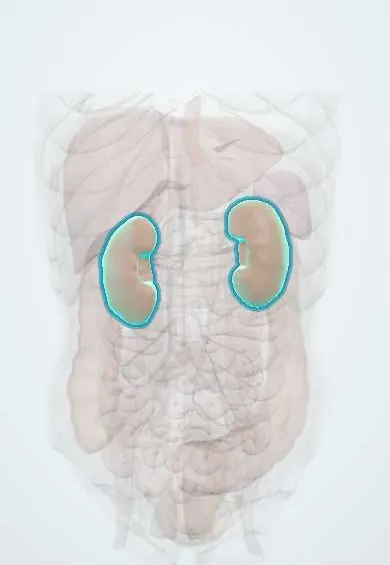
Representative model, for educational purposes only.