Conditions · Metabolism (biochemistry)
Methanol poisoning !
Methanol from adulterated liquor or industrial products turns into formic acid, which causes severe acidosis and blindness.
Updated 2026-11-01
Structures involved
Tap one to see what it is and open it in 3D.
In biochemistry
- Ethanol metabolism: Step 1 · Alcohol dehydrogenase (ADH, class I)
- Alcohol dehydrogenase (ADH)
- Ethanol
- Fomepizole (4-methylpyrazole)
In physiology
Why it happens
What it is
Poisoning by methyl alcohol, usually swallowed in adulterated drinks, which the liver turns into formaldehyde and formic acid.
Who gets it
It occurs in outbreaks from adulterated or bootleg liquor, with many victims at once; such outbreaks have been described in Colombia and other Latin American countries, plus isolated cases from industrial products or fuels.
Causes
- Adulterated or poorly distilled home-made liquor
- Solvents, windscreen washer fluid, fuels and laboratory products
- Accidental ingestion in children or intentional ingestion
Risk factors
- Drinking liquor of unknown origin or very cheap liquor
- Alcohol dependence
- Work with solvents
Pathophysiology
Methanol itself is not very toxic. Alcohol dehydrogenase oxidises it to formaldehyde and aldehyde dehydrogenase to formic acid (formate). Formate inhibits cytochrome c oxidase (complex IV): the cell switches to anaerobic glycolysis and adds lactic acid. The result is a high anion gap metabolic acidosis; early on the osmolal gap is also high, falling as methanol is converted. The retina and optic nerve, with high ATP demand, and the putamina suffer first. Formate is cleared slowly through a folate-dependent route. Ethanol drunk at the same time delays symptoms because it competes for the enzyme.
Symptoms and signs
- At first, mild drunkenness or nothing
- After 12–24 hours: nausea, vomiting, abdominal pain and headache
- Blurred, «snowfield» vision, photophobia or blindness
- Fast, deep breathing (Kussmaul)
- Confusion, seizures or coma
Diagnosis
- Clinical
- History of ingestion with visual symptoms and acidosis after a symptom-free interval of hours; suspected even when no level is available.
- Tests
- Arterial blood gases and electrolytes (high anion gap acidosis), measured osmolality and osmolal gap, methanol and formate levels if available, lactate, kidney function, glucose and ethanol level.
- Imaging
- Head CT or MRI can show necrosis or haemorrhage of both putamina in severe cases; fundoscopy shows optic disc oedema.
Treatment
- Acute
- Airway, breathing and circulation support in the emergency department; correction of acidosis with bicarbonate.
- Medical
- Antidote: fomepizole, or ethanol when fomepizole is unavailable, to block alcohol dehydrogenase.
- Medical
- Folinic acid or folic acid as an adjunct to speed formate clearance.
- Procedure
- Haemodialysis to remove methanol and formate when there is severe acidosis, visual damage or high levels.
- Follow-up
- Monitoring of blood gases, electrolytes, vision and neurological state; notification of public health when an outbreak is suspected.
Drugs for this condition
Complications
- Permanent blindness from optic atrophy
- Putaminal injury with parkinsonism
- Acute kidney failure
- Death
Prognosis
It depends on time to antidote and dialysis: very low pH, coma and seizures on arrival point to a poor outcome; visual sequelae are common.
Prevention
- Control of liquor sales and industrial alcohol
- Avoiding unregistered liquor
- Labelling and safe storage of solvents
Test yourself
Think of the answer, then tap the question to see it.
Which methanol metabolite causes blindness and acidosis?
Formic acid (formate), which inhibits cytochrome c oxidase.
Why do symptoms appear hours after ingestion?
Because methanol must first be converted to formaldehyde and formic acid; if ethanol was drunk too, it is delayed further.
Which blood gas and osmolality pattern suggests methanol?
High anion gap metabolic acidosis and, early on, a high osmolal gap.
Which brain structure is typically injured in severe methanol poisoning?
The putamina (bilateral necrosis), besides the optic nerve.
Related conditions
- Ethylene glycol poisoning
- Lactic acidosis
- Diabetic ketoacidosis
- Acute kidney injury
- Cyanide poisoning
- Carbon monoxide poisoning
Educational information, not medical advice. For any symptom, see a health professional.
Sources: Methanol poisoning: MedlinePlus Medical Encyclopedia (MedlinePlus, US National Library of Medicine, 2026); Methanol (CID 887) (PubChem, NCBI, 2026); Textbook of Biochemistry for Medical Students, 6th ed. (Jaypee Brothers Medical Publishers (Vasudevan DM, Sreekumari S, Vaidyanathan K), 2011).
Spotted a mistake?We are always improving for the community. Tell us what is wrong and our team will review it.Report a mistake
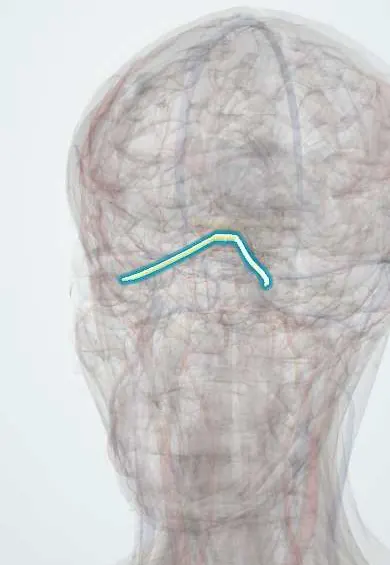
Representative model, for educational purposes only.