Conditions · Metabolism: amino acids and the urea cycle
Hartnup disease !
In Hartnup disease the gut and kidney do not recover several neutral amino acids well, including tryptophan; pellagra-like lesions may appear.
Updated 2026-11-01
Structures involved
Tap one to see what it is and open it in 3D.
In biochemistry
- Tryptophan
- Molecules derived from amino acids
- Membrane structure
- Membrane transport
- Amino acids: structure, charge and pKa
In physiology
Why it happens
What it is
An inherited disorder of the neutral amino acid transporter B⁰AT1 in the gut and renal tubule. Neutral amino acids such as tryptophan are lost in urine.
Who gets it
It is estimated at 1 in 30,000 people; most affected people have no symptoms.
Causes
- Variants in both alleles of the SLC6A19 gene (autosomal recessive)
Risk factors
- Diet low in protein or niacin
- Strong sun exposure
- Fever, stress or drugs such as sulfonamides
Pathophysiology
Without B⁰AT1, neutral amino acids are poorly absorbed and poorly reabsorbed. Available tryptophan falls and with it the synthesis of niacin and NAD⁺. When diet does not make up for it, photosensitive skin, ataxia and pellagra-like psychiatric symptoms appear.
Symptoms and signs
- Red, scaly rash on sun-exposed skin
- Intermittent ataxia
- Mood changes, anxiety or confusion
- Many people have no symptoms
Diagnosis
- Clinical
- Episodes of photosensitive rash and ataxia, especially in children with a poor diet.
- Tests
- Urine amino acids: excess neutral amino acids with normal levels of the others; SLC6A19 gene testing.
- Imaging
- Usually not needed; brain MRI is used to rule out other causes of ataxia.
Treatment
- Lifestyle
- Protein-rich diet and sun protection
- Medical
- Nicotinamide (a form of niacin) when there are pellagra-like symptoms
Complications
- Pellagra-like skin lesions
- Recurrent neurological episodes
Prognosis
Good: symptoms usually improve with age and an adequate diet.
Test yourself
Think of the answer, then tap the question to see it.
Which transporter fails in Hartnup disease?
B⁰AT1 (SLC6A19 gene), which absorbs and reabsorbs neutral amino acids in gut and kidney.
Why do pellagra-like lesions appear?
Tryptophan is lost and less is left to make niacin and NAD⁺.
What does the urine amino acid test show?
A selective excess of neutral amino acids, such as tryptophan, with normal or low plasma amino acids.
Related conditions
Educational information, not medical advice. For any symptom, see a health professional.
Sources: Hartnup disease: MedlinePlus Genetics (MedlinePlus, US National Library of Medicine, 2026); SLC6A19 gene: MedlinePlus Genetics (MedlinePlus, US National Library of Medicine, 2026); Amino acid transport across the plasma membrane (Reactome, 2026).
Spotted a mistake?We are always improving for the community. Tell us what is wrong and our team will review it.Report a mistake
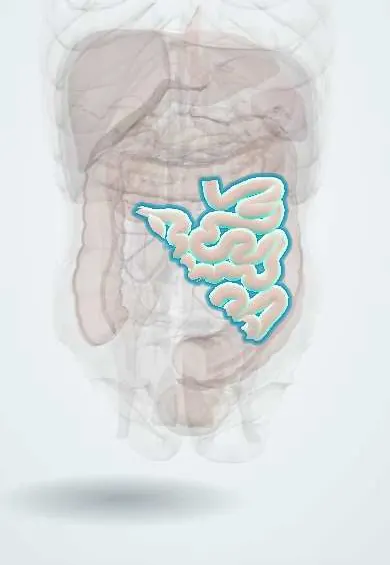
Representative model, for educational purposes only.