Conditions · Metabolism (biochemistry)
Metachromatic leukodystrophy !
In metachromatic leukodystrophy sulfatides build up in myelin; a child, young person or adult loses walking, strength and later mental abilities.
Updated 2026-11-01
Structures involved
Tap one to see what it is and open it in 3D.
In biochemistry
- Sphingolipids and sphingolipidoses
- Lysosomal storage diseases
- Galactosylceramide (galactocerebroside)
- Sulfatide
- Arylsulfatase A (ARSA)
In histology
What it is
An autosomal recessive lysosomal leukodystrophy caused by deficiency of arylsulfatase A (ARSA gene) or, rarely, its activator saposin B (PSAP gene); sulfatides accumulate in central and peripheral myelin.
Who gets it
Reported in 1 in 40,000 to 160,000 people worldwide, with much higher frequencies in some isolated populations. The late infantile form is the most common.
Causes
- Biallelic variants of the ARSA gene
- Rarely, PSAP variants with saposin B deficiency
Risk factors
- Carrier parents or an affected sibling
Pathophysiology
Arylsulfatase A removes the sulfate from sulfatide in the lysosome. Without it, sulfatides build up in oligodendrocytes and Schwann cells, which can no longer maintain myelin: progressive brain demyelination and peripheral neuropathy follow. Sulfatides are also deposited in kidney and gallbladder. In tissue, the material stains a colour different from the dye (metachromasia).
Classification
- Late infantile: onset at 1–2 years, with gait disturbance
- Juvenile: onset at 3–16 years, with school and behaviour problems
- Adult: onset after 16 years, with psychiatric symptoms and cognitive decline
Symptoms and signs
- Clumsiness and falls in a child who already walked
- Weakness and lost reflexes from neuropathy
- Increasing stiffness and spasticity
- Loss of speech and learned skills
- Poor school performance or behaviour change (juvenile)
- Psychosis, personality change or cognitive decline (adult)
Diagnosis
- Clinical
- Motor regression with upper motor neuron signs and peripheral neuropathy, or cognitive and behavioural decline in young people and adults.
- Tests
- Low arylsulfatase A activity in leukocytes; high urinary sulfatides (separates the disease from pseudodeficiency, which has low enzyme without sulfatiduria); ARSA and PSAP testing; slowed nerve conduction; high cerebrospinal fluid protein.
- Imaging
- Brain MRI with symmetric periventricular white matter lesions in a "tigroid" pattern that spares the U-fibres; gallbladder ultrasound with wall thickening or polyps.
Treatment
- Procedure
- Gene therapy with the patient's own haematopoietic stem cells corrected with the ARSA gene, in presymptomatic or very early forms.
- Procedure
- Haematopoietic stem cell transplant in juvenile or adult forms with few symptoms.
- Medical
- Control of seizures, spasticity, pain and psychiatric symptoms.
- Rehabilitation
- Physiotherapy, occupational therapy and nutritional support.
Complications
- Spastic quadriparesis
- Aspiration pneumonia
- Loss of vision and hearing
- Cholecystitis or gallbladder polyps
Prognosis
In the late infantile form most children lose walking within a few years and die in childhood. Juvenile and adult forms evolve over years or decades.
Test yourself
Think of the answer, then tap the question to see it.
Which enzyme is missing in metachromatic leukodystrophy, and what builds up?
Arylsulfatase A; sulfatides accumulate in myelin.
How is the disease told apart from arylsulfatase A pseudodeficiency?
The disease has high urinary sulfatides; pseudodeficiency has low enzyme but no sulfatiduria and no symptoms.
Which abdominal organ is often involved in metachromatic leukodystrophy?
The gallbladder, with wall thickening, polyps or cholecystitis.
Related conditions
Educational information, not medical advice. For any symptom, see a health professional.
Sources: Metachromatic leukodystrophy: MedlinePlus Genetics (MedlinePlus, US National Library of Medicine, 2026); ARSA gene: MedlinePlus Genetics (MedlinePlus, US National Library of Medicine, 2026); PSAP gene: MedlinePlus Genetics (MedlinePlus, US National Library of Medicine, 2026); Textbook of Biochemistry for Medical Students, 6th ed. (Jaypee Brothers Medical Publishers (Vasudevan DM, Sreekumari S, Vaidyanathan K), 2011).
Spotted a mistake?We are always improving for the community. Tell us what is wrong and our team will review it.Report a mistake
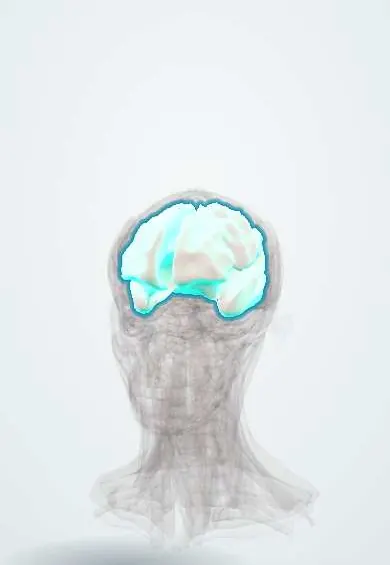
Representative model, for educational purposes only.