Conditions · Infectious and tropical diseases
Oropouche fever and other emerging arboviruses !
Oropouche fever is an insect-borne viral illness like dengue, with fever, headache and pain; it can come back and may affect pregnancy.
Updated 2026-11-01
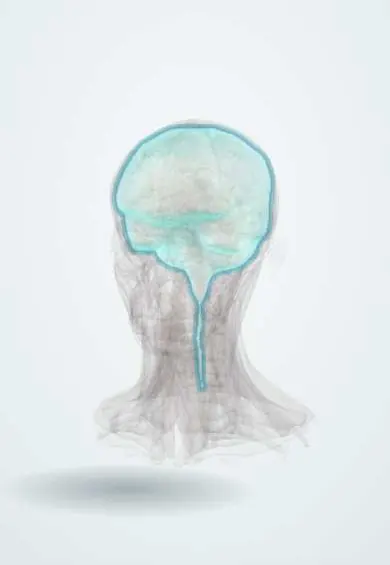
Structures involved
Tap one to see what it is and open it in 3D.
Microorganisms that cause it
Why it happens
What it is
An acute febrile illness caused by Oropouche virus (an orthobunyavirus) transmitted mainly by biting midges, resembling dengue, with frequent recurrence of symptoms and occasional meningitis; other emerging arboviruses of the region, such as Mayaro virus, are covered here.
Who gets it
Known for decades in the Amazon basin and the Caribbean, Oropouche spread to new areas from late 2023, with more than 10,000 cases in the Americas in 2024 and local transmission in Brazil, Bolivia, Peru, Cuba and Colombia (including Amazonian areas). The Colombian INS and PAHO issued alerts. Mayaro virus, an alphavirus carried by forest mosquitoes, circulates in the Amazon and causes chikungunya-like arthritis.
Causes
- Oropouche virus (family Peribunyaviridae)
- Main vector: the biting midge Culicoides paraensis; some mosquitoes (Culex) are possible vectors
- Sylvatic cycle in sloths, primates and birds; urban cycle between humans and midges
- Possible vertical (mother-to-fetus) transmission
- Related emerging arbovirus: Mayaro virus (alphavirus, Haemagogus mosquitoes)
Risk factors
- Living in or travelling to the Amazon basin, the Caribbean or areas with active outbreaks
- Outdoor work near forests, banana and cocoa plantations, where midges breed in decaying vegetation
- Pregnancy (risk to the fetus)
- Lack of fine-mesh screens; midges pass through standard mosquito nets
Pathophysiology
After the bite the virus replicates locally and enters the blood, causing a short viraemia with systemic inflammation, fever, headache and myalgia. It can invade the central nervous system, producing aseptic meningitis or encephalitis. In pregnancy the virus can cross the placenta; viral RNA has been found in fetal tissue from stillbirths and newborns with malformations, although causality is still being studied.
Classification
- Uncomplicated febrile illness (most cases)
- Recurrent illness: return of symptoms days to weeks after improvement
- Neuroinvasive disease: aseptic meningitis, encephalitis
- Infection in pregnancy with possible fetal outcomes
- Other emerging arboviruses: Mayaro fever (prolonged arthralgia)
Symptoms and signs
- Sudden fever with chills
- Intense headache, often behind the eyes, and photophobia
- Muscle and joint pain and back pain
- Nausea, vomiting and dizziness
- Rash in some patients
- Recurrence of fever and headache in many patients after initial improvement
Diagnosis
- Clinical
- Suspected in a febrile patient from an area with circulation, especially when dengue, chikungunya and Zika tests are negative. The case is notified to public health.
- Tests
- RT-PCR on blood (and CSF if meningitis) in the first days, performed at reference laboratories such as the INS; serology in specialised laboratories. Dengue, chikungunya, Zika and malaria are tested in parallel. Lymphopenia and mildly raised transaminases may occur.
- Imaging
- Not needed in uncomplicated cases; brain imaging for encephalitis; fetal ultrasound follow-up after infection in pregnancy.
Differential diagnosis
- Dengue
- Chikungunya and Mayaro fever
- Zika
- Malaria
- Leptospirosis and yellow fever
Goal of treatment
Relieve symptoms, keep the patient hydrated, detect neurological complications and protect pregnancies, while avoiding drugs that worsen bleeding until dengue is excluded.
Treatment
- Conservative
- Rest, oral fluids and hydration; no specific antiviral or vaccine exists.
- Medical
- Paracetamol (acetaminophen) for fever and pain; aspirin and other NSAIDs are avoided until dengue is ruled out.
- Follow-up
- Follow-up for recurrence and neurological signs; obstetric and fetal monitoring after infection in pregnancy; protect the patient from bites during viraemia to stop local spread.
- Acute
- Hospital care for meningitis or encephalitis: neurological monitoring, seizure control and supportive care.
Complications
- Aseptic meningitis and encephalitis
- Prolonged fatigue and recurrent symptoms
- Possible fetal death and congenital malformations after infection in pregnancy
- Chronic arthralgia (Mayaro fever)
Prognosis
Most patients recover within about a week, although symptoms recur in many and recovery can take weeks. Deaths are rare; the main concerns are neuroinvasive disease and outcomes in pregnancy.
Prevention
- Fine-mesh screens and nets, long clothing and repellents, especially at dusk
- Reduce midge breeding sites (decaying vegetation, plantation waste)
- Pregnant women avoid travel to areas with outbreaks or take strict bite precautions
- Laboratory surveillance and notification of cases
Test yourself
Think of the answer, then tap the question to see it.
What is the main vector of Oropouche virus?
The biting midge Culicoides paraensis.
Why is Oropouche often misdiagnosed?
Its fever, headache, myalgia and rash closely resemble dengue, chikungunya and Zika; RT-PCR is needed to confirm it.
What clinical feature is common in Oropouche after initial improvement?
Recurrence of fever, headache and myalgia days to weeks later.
Why are NSAIDs avoided in a patient with suspected Oropouche fever?
Because dengue cannot yet be excluded and NSAIDs increase bleeding risk.
What concern has emerged about Oropouche in pregnancy?
Possible vertical transmission linked to fetal death and malformations.
Related conditions
- Dengue
- Chikungunya
- Zika virus infection
- Yellow fever
- Malaria
- Leptospirosis
- Viral encephalitis (herpes simplex encephalitis)
- Miscarriage (early pregnancy loss)
- Stillbirth (intrauterine fetal death)
Educational information, not medical advice. For any symptom, see a health professional.
Sources: Oropouche virus disease (World Health Organization, 2024).
Spotted a mistake?We are always improving for the community. Tell us what is wrong and our team will review it.Report a mistake
Representative model, for educational purposes only.