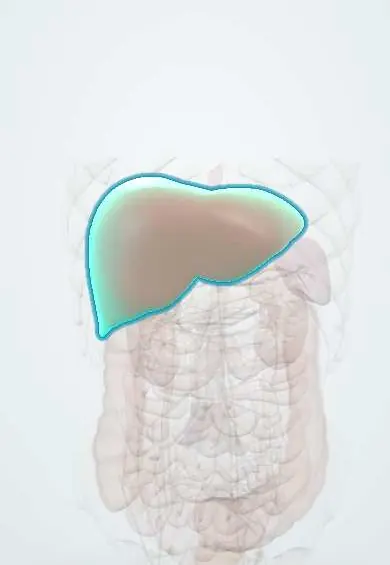
Conditions · Systemic conditions
Dengue !
Dengue is a viral infection spread by Aedes mosquitoes that causes high fever and body aches; most cases are mild, but some lead to shock and bleeding.
Updated 2026-10-30
Structures involved
Tap one to see what it is and open it in 3D.
In biochemistry
Microorganisms that cause it
In immunology
In the clinical exam
In physiology
- Primary hemostasis and platelets
- Coagulation tests: PT/INR, aPTT and platelets
- White blood cells: types and functions
- Starling forces at the capillary
- Shock physiology
- Fever
- Dehydration and fluid overload
Why it happens
- Shock: types, stages and the organs it damages
- Health effects of climate change
- Primary hemostasis and platelets
What it is
An acute viral infection caused by the four dengue virus serotypes and transmitted by Aedes mosquitoes. Most cases are mild, but some progress to plasma leakage, shock and bleeding (severe dengue).
Who gets it
The most important mosquito-borne viral disease in the Americas. In Colombia it is endemic in warm, low-lying areas, with recurrent epidemics and several serotypes circulating, a major public health problem. In 2000–2011 most reported cases were in people under 15; the record year was 2010, with about 147,000 non-severe and 9,777 severe cases.
Causes
- Dengue virus (a flavivirus), serotypes DENV-1 to DENV-4
- Transmitted by the bite of infected Aedes aegypti (and Aedes albopictus) mosquitoes
- Rarely by blood transfusion, organ transplant or from mother to baby
Risk factors
- Living in or travelling to endemic areas, especially in rainy seasons
- Standing water around the home (tanks, tyres, containers) where mosquitoes breed
- A second infection with a different serotype (higher risk of severe dengue)
- Infants, pregnancy, older age, obesity and chronic diseases (diabetes, hypertension, kidney disease) increase the risk of complications
Pathophysiology
The virus infects immune cells and triggers cytokine release that makes the capillary endothelium leaky. Around defervescence, plasma escapes into the pleural and peritoneal spaces, raising haematocrit and reducing circulating volume. Bone-marrow suppression and immune destruction lower platelets; shock, bleeding and organ involvement follow in severe cases.
Classification
- Dengue without warning signs
- Dengue with warning signs
- Severe dengue: shock or fluid accumulation with respiratory distress, severe bleeding, or severe organ involvement (liver, heart, brain, kidney)
- Phases: febrile, critical and recovery
Symptoms and signs
- Febrile phase (about 2–7 days): sudden high fever, headache, pain behind the eyes, muscle and joint pain, rash, nausea
- Positive tourniquet test, petechiae and mild mucosal bleeding
- Critical phase (around the time fever falls): plasma leakage, falling platelets and rising haematocrit; risk of shock
- Recovery phase: reabsorption of fluid, improved appetite, sometimes a pruritic rash and slow pulse
Diagnosis
- Clinical
- Fever in someone living in or returning from an endemic area with typical symptoms. Clinicians daily check the phase of illness, warning signs, vital signs, hydration, urine output and bleeding.
- Tests
- NS1 antigen or RT-PCR in the first days of fever; IgM serology usually from about day 5. Serial full blood count: falling platelets and leukocytes, and a rising haematocrit as a marker of plasma leakage. Liver enzymes, albumin and, in severe cases, lactate and coagulation tests.
- Imaging
- Ultrasound can show gallbladder wall thickening, ascites and pleural effusion as signs of plasma leakage; chest X-ray for pleural effusion.
Differential diagnosis
- Chikungunya and Zika
- Malaria
- Leptospirosis
- Typhoid fever and other bacterial sepsis
- Influenza, COVID-19 and other viral fevers
- Yellow fever and rickettsial infections
Goal of treatment
There is no specific antiviral. Care aims to recognise warning signs early, keep the person well hydrated, replace plasma losses carefully during the critical phase, and avoid both shock and fluid overload.
Treatment
- Conservative
- Mild cases without warning signs are managed as outpatients with rest, oral fluids and paracetamol for fever, with daily review and clear instructions about warning signs.
- Medical
- As a standard teaching principle, aspirin and other NSAIDs (and intramuscular injections) are avoided because they increase bleeding risk; paracetamol is the usual antipyretic.
- Acute
- Dengue with warning signs or severe dengue is treated in hospital with carefully titrated intravenous crystalloids guided by haematocrit, vital signs and urine output; blood products for significant bleeding.
- Follow-up
- Close monitoring through the critical phase, then reducing fluids in the recovery phase to avoid fluid overload and pulmonary oedema.
Drugs for this condition
Complications
- Dengue shock syndrome from plasma leakage
- Severe bleeding (gastrointestinal, vaginal)
- Hepatitis and acute liver failure
- Myocarditis, encephalitis and acute kidney injury
- Fluid overload with pulmonary oedema from excessive fluids
- Prolonged post-infectious fatigue
Prognosis
Most people recover fully within one to two weeks. Severe dengue can be fatal, but early recognition of warning signs and careful fluid management lower mortality substantially. Infection gives lifelong immunity only to the serotype involved.
Prevention
- Eliminating mosquito breeding sites: covering water tanks, emptying containers and disposing of tyres
- Repellents, long clothing, window screens and bed nets
- Community vector-control programmes and surveillance
- Dengue vaccines are available in some countries for specific groups, following national recommendations
Test yourself
Think of the answer, then tap the question to see it.
What are the three clinical phases of dengue?
Febrile, critical (around defervescence, with plasma leakage) and recovery (reabsorption of fluid).
What are the warning signs of dengue?
Abdominal pain or tenderness, persistent vomiting, clinical fluid accumulation, mucosal bleeding, lethargy or restlessness, liver enlargement, rising haematocrit with falling platelets.
Why is the critical phase dangerous even though fever is going away?
Plasma leakage peaks around defervescence and can cause hypovolaemic shock; a rising haematocrit is a key marker.
Why are NSAIDs and aspirin avoided in dengue?
They impair platelet function and irritate the gastric mucosa, raising the risk of bleeding in a patient who often has thrombocytopenia.
Which test confirms dengue in the first days of fever?
NS1 antigen detection or RT-PCR; IgM serology becomes useful from about day 5.
Related conditions
Educational information, not medical advice. For any symptom, see a health professional.
Sources: Dengue Fever (StatPearls (NCBI Bookshelf), 2026); Epidemiological trends of dengue disease in Colombia (2000-2011): a systematic review (PLoS neglected tropical diseases, 2015) · adapted, CC BY 4.0.
Spotted a mistake?We are always improving for the community. Tell us what is wrong and our team will review it.Report a mistake
Representative model, for educational purposes only.