Bulimia nervosa !
Bulimia is an eating disorder with repeated binge eating followed by vomiting or other purging. Weight is often normal, so it can go unnoticed.
Updated 2026-11-01
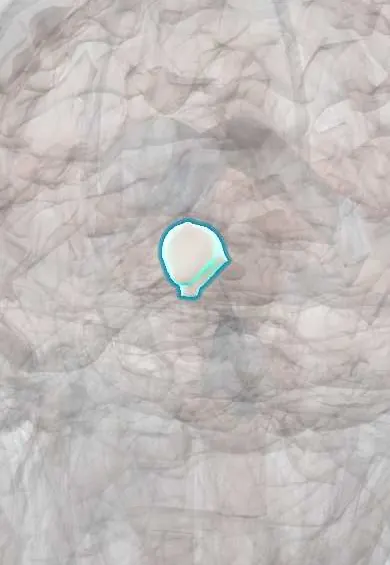
Structures involved
Tap one to see what it is and open it in 3D.
Why it happens
- Cachexia, anorexia nervosa and bulimia
- Vomiting and its control
- Metabolic alkalosis and its compensation
- Potassium balance
What it is
An eating disorder with recurrent binge eating (a large amount of food with a sense of loss of control) followed by compensatory behaviour such as self-induced vomiting, laxatives, fasting or excessive exercise. Self-worth depends unduly on shape and weight, and body weight is usually normal.
Who gets it
Lifetime prevalence is around 1–2% in young women and lower in men. It usually begins in late adolescence or early adulthood. In Latin America, as elsewhere, it is underdiagnosed because weight is normal and behaviour is hidden; social pressure about thinness is a recognised driver.
Causes
- Genetic vulnerability and altered serotonin function in appetite and impulse control
- Dieting and restriction that trigger binges in a restrict-binge-purge cycle
- Low self-esteem, perfectionism and difficulty regulating emotions
- Cultural ideals of thinness
Risk factors
- Female sex, adolescence and young adulthood
- Childhood obesity or early repeated dieting
- Sports or careers that emphasise weight (dance, modelling, gymnastics)
- Depression, anxiety, substance use or borderline personality traits
- History of trauma or sexual abuse
Pathophysiology
Restriction raises hunger signals from the hypothalamus and lowers inhibitory control, triggering binges; guilt then drives purging, which brings short relief and reinforces the cycle. Repeated vomiting loses stomach acid and potassium, causing hypokalaemic, hypochloraemic metabolic alkalosis; gastric acid erodes tooth enamel, and repeated stimulation enlarges the salivary (mainly parotid) glands. Laxative misuse may instead cause metabolic acidosis.
Classification
- Severity by weekly compensatory episodes: mild 1–3, moderate 4–7, severe 8–13, extreme 14 or more
- In partial or full remission
Symptoms and signs
- Secret binges and frequent trips to the bathroom after meals
- Bilateral, painless parotid enlargement ('chipmunk cheeks')
- Calluses or scars on the knuckles from inducing vomiting (Russell sign)
- Dental enamel erosion, especially the inner surfaces of the upper front teeth; tooth sensitivity
- Sore throat, heartburn, bloating, constipation, irregular periods and weight fluctuation within a normal range
Diagnosis
- Clinical
- DSM-5-TR criteria: recurrent binges and compensatory behaviour at least weekly for three months, self-evaluation unduly influenced by shape and weight, not occurring only during anorexia nervosa. Screening tools such as SCOFF help in primary care; examination looks for parotid swelling, Russell sign, dental erosion and vital-sign changes.
- Tests
- Electrolytes (low potassium and chloride, high bicarbonate with vomiting), magnesium, phosphate, kidney function and glucose; serum amylase may be raised (salivary origin). ECG for arrhythmia or prolonged QT. Pregnancy test when relevant.
- Imaging
- Not needed for diagnosis. Chest imaging or endoscopy only if oesophageal injury is suspected.
Differential diagnosis
- Anorexia nervosa, binge-purge type (low body weight)
- Binge-eating disorder (no compensatory behaviour)
- Major depression with appetite change
- Gastrointestinal causes of vomiting (e.g. gastric outlet obstruction)
- Hypothalamic tumour or Kleine-Levin syndrome (rare)
Goal of treatment
Stop the binge-purge cycle, restore regular eating, correct electrolytes and medical complications, and treat coexisting mood and anxiety disorders, mostly as an outpatient.
Treatment
- Conservative
- Cognitive behavioural therapy specific for eating disorders (CBT-E) is first-line; family-based treatment in adolescents; nutritional counselling with a regular meal plan.
- Medical
- SSRIs, with fluoxetine the best studied, reduce binges and purging, often at higher doses than for depression. Bupropion is contraindicated because of seizure risk. Potassium replacement when low.
- Acute
- Hospital admission for severe electrolyte disturbances, arrhythmia, oesophageal injury, uncontrolled purging or high suicide risk.
- Follow-up
- Nursing priorities: monitor electrolytes, vital signs and ECG; supervise the period after meals (bathroom access) to prevent purging; dental referral; suicide risk screening.
Complications
- Hypokalaemia with cardiac arrhythmia and sudden death
- Metabolic alkalosis and dehydration
- Oesophagitis, Mallory-Weiss tear and, rarely, oesophageal rupture (Boerhaave syndrome)
- Dental erosion and caries
- Chronic constipation from laxative misuse; pancreatitis
- Depression, substance use and suicide
Prognosis
Better than anorexia nervosa: about half of people recover fully with treatment, though relapse is common under stress. Mortality is raised, mainly from suicide and electrolyte-related arrhythmias.
Prevention
- Avoiding weight-focused comments and restrictive dieting in adolescents
- Early screening in primary care, schools and sports settings
Test yourself
Think of the answer, then tap the question to see it.
How does bulimia nervosa differ from anorexia nervosa, binge-purge type?
In bulimia body weight is normal or above normal; anorexia requires significantly low body weight.
Which acid-base and electrolyte disturbance does repeated vomiting cause?
Hypokalaemic, hypochloraemic metabolic alkalosis.
What are three classic physical signs of bulimia?
Bilateral parotid enlargement, calluses on the knuckles (Russell sign) and dental enamel erosion.
Which antidepressant is contraindicated in bulimia, and why?
Bupropion, because it lowers the seizure threshold, especially with electrolyte disturbances.
What is the first-line psychotherapy for bulimia nervosa?
Cognitive behavioural therapy adapted for eating disorders (CBT-E).
Related conditions
- Personality disorders (clusters A, B and C)
- Obesity
- Gastro-oesophageal reflux disease (GERD)
- Dental caries
- Mumps
- Acute pancreatitis
Educational information, not medical advice. For any symptom, see a health professional.
Sources: Bulimia (MedlinePlus, US National Library of Medicine, 2026).
Spotted a mistake?We are always improving for the community. Tell us what is wrong and our team will review it.Report a mistake
Representative model, for educational purposes only.