Conditions · Obstetrics and gynecology
Sexual violence (care of the survivor) !
Sexual violence is any sexual act without consent. Survivors need urgent, respectful care that prevents infection and pregnancy and supports mental health.
Updated 2026-11-01
Structures involved
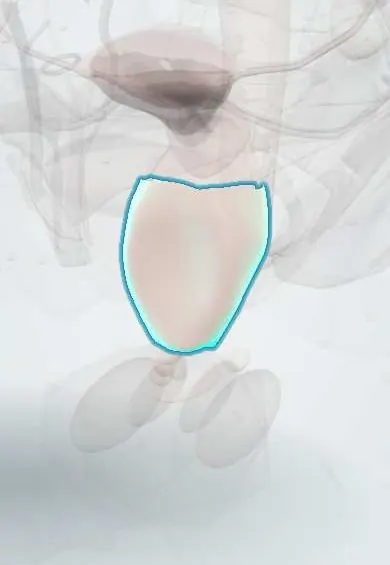
Tap one to see what it is and open it in 3D.
What it is
Any sexual act, attempt or behaviour imposed on a person without their free consent, by force, coercion, threat or by taking advantage of a situation in which the person cannot consent. In Colombia it is treated as a medical emergency: care is immediate, free of charge and does not depend on a police report.
Who gets it
WHO estimates that about one in three women worldwide has experienced physical or sexual violence by a partner or sexual violence by a non-partner. In Colombia, girls and adolescents are the most affected group, and the armed conflict, displacement and migration add risk. Sexual violence is a mandatory notifiable event in the national public health surveillance system.
Causes
- Assault by an intimate partner, relative or acquaintance (most cases)
- Assault by a stranger
- Sexual abuse of children and adolescents
- Sexual violence in armed conflict, trafficking and sexual exploitation
Risk factors
- Female sex, childhood and adolescence
- Disability
- Displacement, migration and armed conflict
- Alcohol or drug use by the aggressor or the person assaulted
- Previous violence and gender inequality
Pathophysiology
Harm combines physical injury, exposure to sexually transmitted infections and to pregnancy, and psychological trauma. The acute stress response can produce freezing, dissociation or memory gaps, which are normal reactions and do not reflect consent. Without support, the trauma can evolve into post-traumatic stress disorder, depression or substance use.
Classification
- Acute presentation (recent event, within the window for prophylaxis)
- Non-acute or delayed presentation
- Sexual violence against children and adolescents
- Sexual violence in the context of armed conflict
Symptoms and signs
- Genital or extragenital injuries (often absent; their absence does not rule out assault)
- Pain, bleeding or discharge
- Acute fear, shock, numbness or dissociation
- Later sleep disturbance, flashbacks, avoidance, guilt and shame
- In children: behaviour change, regression, school problems
Diagnosis
- Clinical
- Care starts with stabilisation and a private, non-judgemental interview, with informed consent for each step. History and examination are done once, by trained staff, to avoid revictimisation, and findings are documented carefully in the person's own words. Forensic evidence is collected with consent and kept under chain of custody.
- Tests
- Pregnancy test; baseline testing for HIV, syphilis, hepatitis B and C and other sexually transmitted infections, with follow-up testing in the following weeks and months.
- Imaging
- Only when injuries require it.
Differential diagnosis
- Accidental genital injury
- Dermatological or infectious conditions of the vulva
- Other forms of violence or neglect occurring at the same time
Goal of treatment
Provide comprehensive, timely and respectful care that treats injuries, prevents HIV, other infections and pregnancy, protects mental health and safety, and activates the health, protection and justice pathways without revictimising the person.
Treatment
- Acute
- Treatment of injuries and stabilisation; first psychological aid and a safe, private space.
- Medical
- Within the time window after the assault: post-exposure prophylaxis for HIV with antiretrovirals, emergency contraception, presumptive treatment of sexually transmitted infections, and hepatitis B (and HPV) vaccination according to status.
- Medical
- Information on all legal options if pregnancy results, including voluntary termination of pregnancy, which Colombian law permits in cases of sexual violence.
- Follow-up
- Follow-up visits for serology, adherence to prophylaxis and mental health; referral to psychology or psychiatry for persistent symptoms.
- Conservative
- Activation of the care route: notification to the public health surveillance system, report to justice authorities and, for minors, to child-protection services, as required by the national protocol; social work support.
Complications
- HIV and other sexually transmitted infections
- Unintended pregnancy
- Post-traumatic stress disorder, depression, anxiety
- Suicide risk and substance use
- Chronic pelvic pain and sexual dysfunction
Prognosis
Early, comprehensive care greatly reduces the risk of HIV infection and pregnancy and improves psychological recovery. Social support and access to mental health care are the main protective factors.
Prevention
- Education on consent and gender equality
- Early detection of violence in routine health care
- Protection of children and adolescents
- Health worker training in survivor-centred care
Test yourself
Think of the answer, then tap the question to see it.
How is sexual violence classified in the Colombian care protocol in terms of priority?
As a medical emergency: care must be immediate and free of charge, regardless of time elapsed and of whether a report has been filed.
Which preventive measures are offered in the acute window after the assault?
HIV post-exposure prophylaxis, emergency contraception, presumptive STI treatment and hepatitis B vaccination.
Why should the history and examination be done only once by trained staff?
To avoid revictimisation and to preserve the quality of documentation and evidence.
Does the absence of genital injuries rule out sexual assault?
No; many survivors have no visible injuries.
Related conditions
- Intimate partner and sexual violence (mental-health care)
- Child maltreatment (physical abuse, abusive head trauma, neglect)
- Post-traumatic stress disorder (PTSD) and acute stress disorder
- Major depressive disorder
- Suicidal behaviour and suicide risk
- HIV infection and AIDS
- Syphilis
- Gonorrhoea
- Chlamydia infection
- Trichomoniasis
- Viral hepatitis
- Human papillomavirus (HPV) infection
Educational information, not medical advice. For any symptom, see a health professional.
Sources: Resolución 459 de 2012: Protocolo y Modelo de Atención Integral en Salud para Víctimas de Violencia Sexual (Ministerio de Salud y Protección Social de Colombia, 2012); Violence against women (World Health Organization, 2024); Sexual Assault (MedlinePlus (U.S. National Library of Medicine), 2024).
Spotted a mistake?We are always improving for the community. Tell us what is wrong and our team will review it.Report a mistake
Representative model, for educational purposes only.