Trichomoniasis !
Trichomoniasis is a sexually transmitted infection by the parasite Trichomonas vaginalis; it affects the vagina and urethra and often causes no symptoms.
Updated 2026-10-30
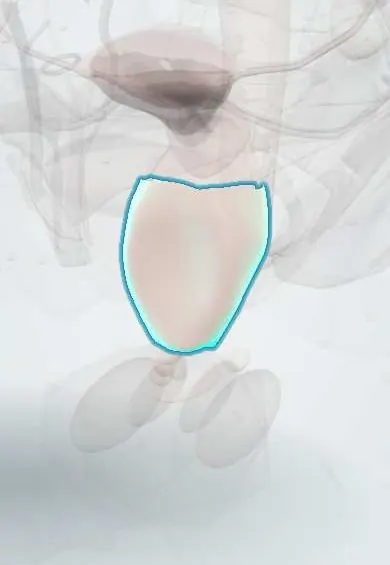
Structures involved
Tap one to see what it is and open it in 3D.
Microorganisms that cause it
What it is
A sexually transmitted infection caused by the flagellated protozoan Trichomonas vaginalis. It infects the vagina, urethra and cervix in women and the urethra in men, and is often asymptomatic.
Who gets it
The most common curable non-viral sexually transmitted infection worldwide. In a cohort of 264 women from three Colombian cities (Bogotá, Girardot, Chaparral), 26.1% had it at baseline and 40.9% had at least one episode during follow-up. Many infected people, especially men, have no symptoms and transmit it unknowingly.
Causes
- Trichomonas vaginalis, a flagellated protozoan
- Spread almost always by sexual contact
Risk factors
- Multiple or new sexual partners
- Previous sexually transmitted infections
- Condomless sex
- Older age among women (unlike chlamydia and gonorrhoea)
Pathophysiology
The parasite adheres to squamous epithelium, damages it and triggers a strong neutrophilic inflammation. Vaginal pH rises above 4.5. Small haemorrhages in the cervix can produce the strawberry cervix. The inflamed mucosa makes acquiring and transmitting HIV easier.
Symptoms and signs
- Frothy, yellow-green, foul-smelling vaginal discharge
- Vulvar itching and irritation
- Pain on urination and during intercourse
- Strawberry cervix (punctate haemorrhages), seen in a minority
- Many women and most men have no symptoms; men may have urethritis
Diagnosis
- Clinical
- Symptoms and examination suggest it but are not reliable alone; vaginal pH is usually above 4.5.
- Tests
- Nucleic acid amplification tests (most sensitive, preferred); wet mount microscopy showing motile trichomonads (quick but less sensitive); rapid antigen tests or culture. Testing for HIV, syphilis, chlamydia and gonorrhoea.
- Imaging
- Not needed.
Differential diagnosis
- Bacterial vaginosis
- Vulvovaginal candidiasis
- Cervicitis from chlamydia or gonorrhoea
- Urinary tract infection
Goal of treatment
Cure the infection in the patient and all sexual partners and prevent reinfection and complications.
Treatment
- Medical
- Nitroimidazole antibiotics by mouth for the patient and, at the same time, for sexual partners.
- Conservative
- Avoiding sex until both partners have completed treatment and symptoms have resolved.
- Follow-up
- Retesting after treatment is recommended because reinfection is common.
Drugs for this condition
Complications
- Preterm birth, premature rupture of membranes and low birth weight
- Higher risk of acquiring and transmitting HIV
- Pelvic inflammatory disease (association reported)
- Prostatitis and urethritis in men
- Reinfection
Prognosis
Treatment cures most infections. Reinfection is common when partners are not treated.
Prevention
- Consistent condom use
- Simultaneous treatment of sexual partners
- Screening of women at higher risk, according to guidelines
Test yourself
Think of the answer, then tap the question to see it.
What type of organism causes trichomoniasis?
A flagellated protozoan, Trichomonas vaginalis.
What is the classic discharge of trichomoniasis?
Frothy, yellow-green and foul-smelling, with a vaginal pH above 4.5.
What is the strawberry cervix?
Punctate haemorrhages on the cervix caused by trichomoniasis, seen in a minority of cases.
Which is the most sensitive diagnostic test for trichomoniasis?
Nucleic acid amplification testing (NAAT).
Why are sexual partners treated at the same time?
Partners are often asymptomatic carriers, and untreated partners cause reinfection.
Related conditions
- Bacterial vaginosis
- Vulvovaginal candidiasis
- Gonorrhoea
- Chlamydia infection
- HIV infection and AIDS
- Pelvic inflammatory disease
- Urinary tract infection (acute cystitis)
Educational information, not medical advice. For any symptom, see a health professional.
Sources: Trichomoniasis (StatPearls (NCBI Bookshelf), 2026); Trichomonas vaginalis follow-up and persistence in Colombian women (Scientific reports, 2021) · adapted, CC BY 4.0.
Spotted a mistake?We are always improving for the community. Tell us what is wrong and our team will review it.Report a mistake
Representative model, for educational purposes only.