Conditions · Infectious and tropical diseases
Toxic shock syndrome !
Toxic shock syndrome is a rare, sudden illness caused by bacterial toxins that bring fever, a sunburn-like rash, low blood pressure and organ failure.
Updated 2026-11-01
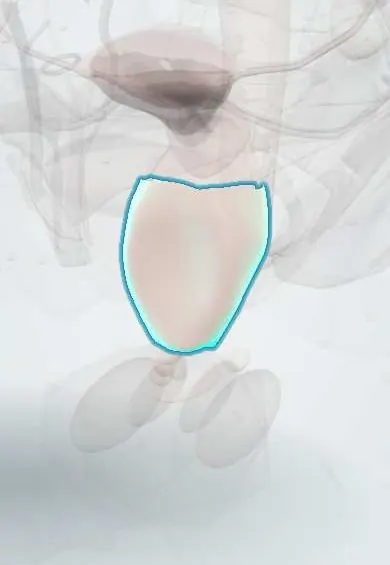
Structures involved
Tap one to see what it is and open it in 3D.
Microorganisms that cause it
In immunology
Why it happens
- Shock: types, stages and the organs it damages
- How septic shock develops
- Systemic effects of inflammation: fever, acute-phase proteins, leukocytosis, sepsis
- Shock physiology
- Innate and adaptive immunity: overview
What it is
An acute, life-threatening illness caused by superantigen toxins of Staphylococcus aureus or Streptococcus pyogenes (group A streptococcus). It presents with high fever, diffuse rash, hypotension and failure of several organs.
Who gets it
Uncommon in all regions. Menstrual staphylococcal cases fell after highly absorbent tampons were withdrawn; most cases now follow skin and soft-tissue infections, surgery, burns, childbirth or nasal packing. Streptococcal toxic shock is often linked to invasive infections such as necrotizing fasciitis and carries a higher mortality.
Causes
- Staphylococcus aureus producing toxic shock syndrome toxin-1 (TSST-1) or enterotoxins
- Group A streptococcus producing pyrogenic exotoxins (streptococcal toxic shock)
- A colonised or infected focus: prolonged tampon or vaginal device use, wounds, surgical sites, burns, postpartum infection, nasal packing
Risk factors
- Tampons left in place for a long time, menstrual cups, diaphragms or contraceptive sponges
- Recent surgery, childbirth or abortion
- Skin wounds, burns or varicella lesions (streptococcal form)
- Nasal packing or other retained foreign bodies
- Lack of protective antibodies against the toxin
Pathophysiology
The toxins act as superantigens: they bind MHC class II molecules and T-cell receptors outside the normal antigen site, activating a large fraction of T cells at once. The resulting cytokine storm (TNF, IL-1, IL-2, interferon) causes capillary leak, vasodilation, shock and multiorgan failure, and the skin shows a diffuse erythroderma that later desquamates.
Classification
- Staphylococcal toxic shock syndrome: menstrual and non-menstrual
- Streptococcal toxic shock syndrome, usually with an invasive soft-tissue infection
- Confirmed or probable case according to surveillance criteria
Symptoms and signs
- Sudden high fever with chills
- Diffuse red, sunburn-like rash (erythroderma)
- Low blood pressure, dizziness or fainting
- Vomiting, watery diarrhoea and muscle pain
- Redness of the conjunctivae, mouth, throat or vagina
- Confusion
- Peeling of the palms and soles one to two weeks later
Diagnosis
- Clinical
- A clinical diagnosis based on fever, diffuse rash, hypotension and involvement of three or more organ systems, with later desquamation. Examination always looks for a focus: vaginal examination and removal of any device, wounds, surgical sites and nasal packing.
- Tests
- Blood counts, creatinine, liver enzymes, creatine kinase, platelets and coagulation tests show multiorgan injury. Blood cultures are often positive in streptococcal disease and usually negative in staphylococcal disease; cultures of the focus (vaginal, wound) are taken.
- Imaging
- Not diagnostic. Ultrasound, CT or MRI look for a deep focus such as an abscess or necrotizing soft-tissue infection.
Differential diagnosis
- Septic shock from other bacteria, including meningococcaemia
- Severe dengue
- Leptospirosis and rickettsial infection
- Scarlet fever and Kawasaki disease
- Stevens-Johnson syndrome or toxic epidermal necrolysis
- Drug reaction with eosinophilia and systemic symptoms (DRESS)
Goal of treatment
Restore perfusion, remove the source of toxin and stop toxin production quickly, while supporting failing organs in intensive care.
Treatment
- Acute
- Aggressive intravenous fluids and vasopressors for shock, following sepsis care pathways.
- Procedure
- Remove tampons, packing or other devices, and drain or debride any infected focus; surgery is urgent when a necrotizing infection is present.
- Medical
- Intravenous antibiotics combining a cell-wall agent active against staphylococci and streptococci (with MRSA coverage where it is common) plus clindamycin or linezolid to suppress toxin production; intravenous immunoglobulin in selected severe cases.
- Follow-up
- Intensive care monitoring of blood pressure, urine output, kidney and liver function, coagulation and skin; dialysis or ventilation when needed.
Complications
- Refractory shock
- Acute kidney injury
- Acute respiratory distress syndrome
- Disseminated intravascular coagulation
- Liver injury and rhabdomyolysis
- Loss of limbs or digits from ischaemia or necrotizing infection
- Recurrence in staphylococcal menstrual cases
Prognosis
With fast source control and intensive care, most staphylococcal cases recover; mortality is higher in streptococcal toxic shock, especially with necrotizing infection. Staphylococcal cases can recur if exposure continues.
Prevention
- Use of the lowest-absorbency tampon needed and regular changes; alternating with pads
- Careful wound and postoperative care
- Prompt removal of nasal packing and other devices when no longer needed
Test yourself
Think of the answer, then tap the question to see it.
Which two bacteria cause toxic shock syndrome?
Staphylococcus aureus (TSST-1) and group A Streptococcus pyogenes (pyrogenic exotoxins).
How do toxic shock toxins activate so many T cells?
They are superantigens that bridge MHC class II and the T-cell receptor outside the antigen-binding groove, causing a cytokine storm.
What skin sign typically appears 1 to 2 weeks after toxic shock syndrome?
Desquamation (peeling) of the palms and soles.
Why is clindamycin added in toxic shock syndrome?
It inhibits bacterial protein synthesis and so suppresses toxin production.
What is the first step at the bedside when a tampon user presents with fever, rash and shock?
Remove the tampon (source control) while starting fluid resuscitation and antibiotics.
Related conditions
- Sepsis and septic shock
- Necrotizing soft tissue infection (necrotizing fasciitis, gas gangrene)
- Streptococcal pharyngitis
- Scarlet fever
- Disseminated intravascular coagulation
- Acute kidney injury
- MRSA and other multidrug-resistant organism infections
Educational information, not medical advice. For any symptom, see a health professional.
Sources: Toxic shock syndrome: MedlinePlus Medical Encyclopedia (MedlinePlus (U.S. National Library of Medicine), 2024).
Spotted a mistake?We are always improving for the community. Tell us what is wrong and our team will review it.Report a mistake
Representative model, for educational purposes only.