Streptococcal pharyngitis !
Strep throat is a bacterial infection of the throat and tonsils; it causes sore throat and fever, and treating it prevents rheumatic fever.
Updated 2026-10-29
Structures involved
Tap one to see what it is and open it in 3D.
Microorganisms that cause it
In immunology
- Mucosa-associated lymphoid tissue (tonsils, Peyer patches)
- Type III hypersensitivity (immune complexes)
- Molecular mimicry and post-infectious autoimmunity
In histology
In the clinical exam
Why it happens
What it is
Acute infection of the pharynx and palatine tonsils by group A Streptococcus (Streptococcus pyogenes). It causes a minority of sore throats, mostly in school-age children, and is treated mainly to prevent rheumatic fever.
Who gets it
Most common in children aged about 5 to 15 years and uncommon under 3. Acute rheumatic fever and rheumatic heart disease still occur in Latin America, which keeps diagnosis and full treatment important in Colombia.
Causes
- Group A beta-haemolytic Streptococcus (Streptococcus pyogenes)
- Spread by respiratory droplets and close contact
Risk factors
- School age (about 5–15 years)
- Crowding: schools, households, barracks
- Contact with a person who has strep throat
- Colder months in temperate climates
Pathophysiology
The bacteria adhere to the pharyngeal mucosa and tonsils, causing acute inflammation with exudate and tender regional lymph nodes. Some strains release toxins that cause the rash of scarlet fever. Antibodies against streptococcal antigens can cross-react with heart, joint and brain tissue, which explains rheumatic fever.
Symptoms and signs
- Sudden sore throat and pain on swallowing
- Fever
- Red, swollen tonsils with white exudate
- Tender, enlarged anterior cervical lymph nodes
- Palatal petechiae, headache; abdominal pain and vomiting in children
- Usually no cough, runny nose or hoarseness
- Sandpaper-like rash and strawberry tongue in scarlet fever
Diagnosis
- Clinical
- Clinical features alone cannot confirm it. The Centor score (fever, tonsillar exudate, tender anterior cervical nodes, absent cough) and the McIsaac modification (adds age) estimate probability and select who is tested. Cut-offs vary between guidelines.
- Tests
- Rapid antigen detection test on a throat swab; in children a negative rapid test is usually followed by throat culture. Antistreptolysin O titres show past infection, not acute pharyngitis.
- Imaging
- Not needed. Contrast CT of the neck if a peritonsillar or deep neck abscess is suspected and the diagnosis is unclear.
Differential diagnosis
- Viral pharyngitis (adenovirus, other respiratory viruses)
- Infectious mononucleosis (Epstein–Barr virus)
- Peritonsillar abscess
- Epiglottitis
- Diphtheria (in unvaccinated people)
- Acute HIV infection or gonococcal pharyngitis
Goal of treatment
Prevent acute rheumatic fever and suppurative complications, shorten symptoms and reduce spread.
Treatment
- Medical
- Penicillins (oral penicillin or aminopenicillin for a full course, or a single intramuscular benzathine penicillin injection), the first choice: group A Streptococcus remains sensitive to penicillin.
- Medical
- In penicillin allergy: first-generation cephalosporins if the allergy is not immediate-type; otherwise macrolides or lincosamides, given that macrolide resistance occurs.
- Medical
- Analgesics and antipyretics (paracetamol class, NSAIDs) for pain and fever.
- Surgical
- Tonsillectomy is considered for frequent, well-documented recurrent tonsillitis or after a peritonsillar abscess.
Drugs for this condition
- Benzathine benzylpenicillin
- Cefalexin
- Cefixime
- Cefuroxime
- Phenoxymethylpenicillin (penicillin V)
- Procaine benzylpenicillin
- Azithromycin
- Clarithromycin
- Erythromycin
- Benzylpenicillin (penicillin G)
- Amoxicillin
Complications
- Peritonsillar or retropharyngeal abscess
- Cervical lymphadenitis, otitis media, sinusitis
- Acute rheumatic fever and rheumatic heart disease
- Post-streptococcal glomerulonephritis (not prevented by antibiotics)
- Scarlet fever, streptococcal toxic shock syndrome (rare)
Prognosis
Usually settles within about a week, slightly faster with antibiotics. Correct treatment greatly reduces the risk of rheumatic fever; repeated untreated infections are what lead to rheumatic heart disease.
Prevention
- Prompt diagnosis and a complete antibiotic course
- Hand hygiene and covering coughs
- Staying out of school until treatment has been under way for about a day, as many guidelines advise
- Secondary prophylaxis with penicillin after rheumatic fever
Test yourself
Think of the answer, then tap the question to see it.
What are the four criteria of the Centor score?
Fever, tonsillar exudate or swelling, tender anterior cervical lymph nodes and absence of cough. McIsaac adds an age adjustment.
What is the main reason to treat streptococcal pharyngitis with antibiotics?
To prevent acute rheumatic fever and its long-term result, rheumatic heart disease.
Which test confirms group A streptococcal pharyngitis at the point of care?
The rapid antigen detection test on a throat swab; a negative result in a child is usually checked with throat culture.
Which non-suppurative complication is not prevented by antibiotic treatment?
Post-streptococcal glomerulonephritis.
Which signs suggest a peritonsillar abscess?
Trismus, a muffled («hot potato») voice, a bulging soft palate and the uvula pushed to the opposite side.
Related conditions
- Rheumatic heart disease
- Acute otitis media
- Acute rhinosinusitis
- Peritonsillar abscess
- Deep neck infection and Ludwig angina
- Cervical lymphadenopathy
Educational information, not medical advice. For any symptom, see a health professional.
Sources: Streptococcal Pharyngitis (StatPearls (NCBI Bookshelf), 2025).
Spotted a mistake?We are always improving for the community. Tell us what is wrong and our team will review it.Report a mistake
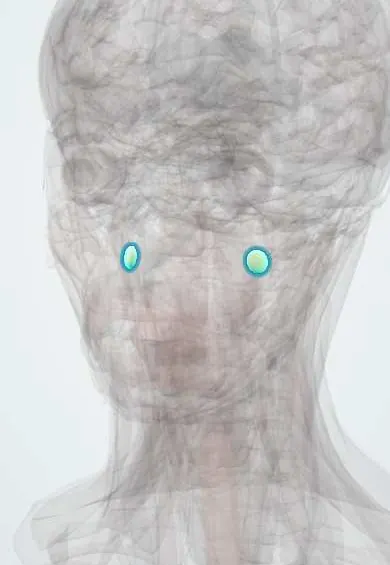
Representative model, for educational purposes only.