Vulvovaginal candidiasis !
Vulvovaginal candidiasis is a yeast infection of the vulva and vagina, mainly by Candida albicans; it causes itching and a thick white discharge.
Updated 2026-10-29
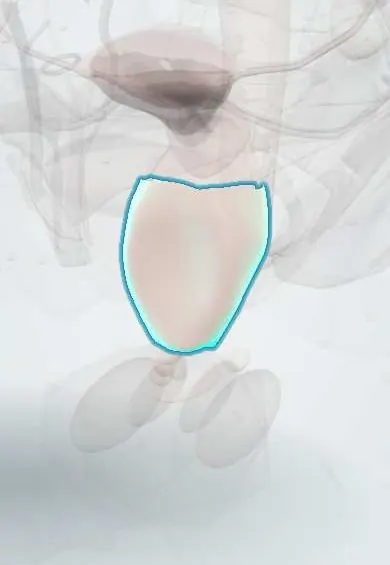
Structures involved
Tap one to see what it is and open it in 3D.
Microorganisms that cause it
In immunology
In the clinical exam
What it is
Inflammation of the vulva and vagina caused by Candida yeasts, mainly Candida albicans. It causes itching and a thick white discharge and is not considered a sexually transmitted infection.
Who gets it
Very common; many women have at least one episode in their lives, and a minority have recurrent episodes. More common in pregnancy and in women with diabetes.
Causes
- Candida albicans in most cases
- Non-albicans species (such as Candida glabrata), more frequent in recurrent or treatment-resistant cases
- Overgrowth of yeasts that are often part of the normal flora
Risk factors
- Recent broad-spectrum antibiotics
- Poorly controlled diabetes
- Pregnancy and other high-estrogen states
- Immunosuppression, including HIV and corticosteroid use
- Tight, non-breathable clothing and moisture (often cited)
Pathophysiology
A shift in local conditions (fewer lactobacilli, higher glycogen or impaired immunity) allows Candida to switch to invasive hyphal forms. These provoke an inflammatory response in the vulvovaginal epithelium, causing itching, redness and swelling. Vaginal pH usually stays normal.
Classification
- Uncomplicated: sporadic, mild to moderate, due to Candida albicans, in a healthy non-pregnant woman
- Complicated: severe, recurrent, non-albicans species, or in pregnancy, diabetes or immunosuppression
- Recurrent: several episodes per year (definitions vary, three or four)
Symptoms and signs
- Intense vulvar itching and burning
- Thick, white, curd-like discharge without odour
- Pain on urination (external dysuria) and during intercourse
- Redness, swelling and sometimes fissures of the vulva
Diagnosis
- Clinical
- Typical symptoms with vulvovaginal redness and thick white discharge; vaginal pH is usually normal (4.5 or lower).
- Tests
- Microscopy with saline or potassium hydroxide showing budding yeasts or pseudohyphae; culture (with species identification) for recurrent or resistant cases; glucose testing when recurrent.
- Imaging
- Not needed.
Differential diagnosis
- Bacterial vaginosis
- Trichomoniasis
- Contact or allergic dermatitis
- Lichen sclerosus
- Genital herpes
Goal of treatment
Relieve symptoms, clear the infection and prevent recurrence by controlling risk factors.
Treatment
- Medical
- Topical azole antifungals or a single oral azole for uncomplicated cases.
- Medical
- Longer courses for complicated infection, and maintenance antifungal therapy for recurrent disease.
- Medical
- In pregnancy, topical azoles are preferred over oral ones.
- Lifestyle
- Control of diabetes and avoidance of unnecessary antibiotics; treatment of partners is not routine.
Drugs for this condition
Complications
- Recurrent infection
- Vulvar fissures and secondary bacterial infection
- Effect on sexual function and quality of life
Prognosis
Uncomplicated cases respond quickly to treatment. Recurrent disease is controlled with maintenance therapy but often returns when it stops.
Prevention
- Good control of diabetes
- Avoiding unnecessary antibiotics
Test yourself
Think of the answer, then tap the question to see it.
What does microscopy show in vulvovaginal candidiasis?
Budding yeasts and pseudohyphae, best seen with potassium hydroxide.
What is the typical vaginal pH in candidiasis?
Normal, 4.5 or lower, unlike bacterial vaginosis and trichomoniasis.
Which oral antifungals are avoided in pregnancy for vulvovaginal candidiasis?
Oral azoles; topical azoles are preferred in pregnancy.
Which risk factors predispose to vulvovaginal candidiasis?
Antibiotics, poorly controlled diabetes, pregnancy, high-estrogen states and immunosuppression.
Which Candida species is more frequent in recurrent or azole-resistant infection?
Candida glabrata and other non-albicans species.
Related conditions
Educational information, not medical advice. For any symptom, see a health professional.
Sources: Vaginal Candidiasis (StatPearls (NCBI Bookshelf), 2024).
Spotted a mistake?We are always improving for the community. Tell us what is wrong and our team will review it.Report a mistake
Representative model, for educational purposes only.