Conditions · Metabolism (biochemistry)
Diabetic ketoacidosis !
Diabetic ketoacidosis is a diabetes emergency: without insulin the body burns fat out of control and the blood turns acidic.
Updated 2026-10-31
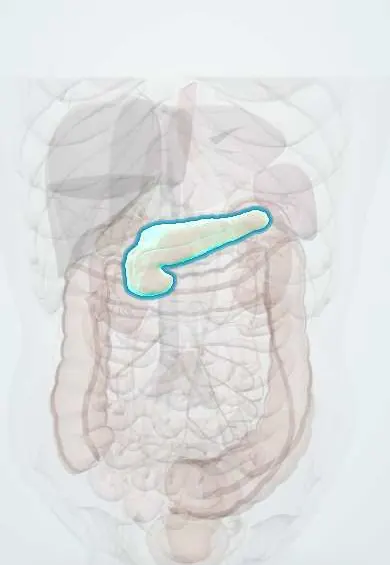
Structures involved
Tap one to see what it is and open it in 3D.
In biochemistry
- Ketogenesis: Step 4 · β-Hydroxybutyrate dehydrogenase (BDH1)
- Glucogenic and ketogenic amino acids
- Acetyl-CoA
- Acid–base interpretation (step by step)
- Anion gap and delta ratio
- Urinalysis
- Mitochondrial HMG-CoA synthase (HMGCS2)
- β-Hydroxybutyrate dehydrogenase (BDH1)
- Succinyl-CoA:3-ketoacid CoA transferase (SCOT)
- Hormone-sensitive lipase (HSL)
- Acetoacetate (acetoacetic acid)
- β-Hydroxybutyrate
- pH, buffers and the Henderson–Hasselbalch equation
- Fed, fasting and starvation states
- Insulin signalling
- Glucagon signalling
Microorganisms that cause it
In the clinical exam
In physiology
- Osmosis, osmolarity and tonicity
- Physiology of diabetes and ketoacidosis
- Glucagon and the counter-regulatory hormones
- Fed and fasting states: the hormonal switch
- Potassium balance
- Reading an arterial blood gas step by step
- Metabolic acidosis, the anion gap and compensation
- Glucose transport maximum and renal threshold
- Mixed acid–base disorders
- Control of breathing, chemoreceptors and lung reflexes
- Abnormal breathing patterns and sleep apnea
What it is
An acute complication of insulin lack with excess counter-regulatory hormones: high glucose, high ketone bodies and high anion gap metabolic acidosis.
Who gets it
It is most common in type 1 diabetes and may be its first sign, especially in children; it also occurs in type 2 with severe stress and with SGLT2 inhibitors (sometimes with near-normal glucose).
Causes
- Undiagnosed type 1 diabetes
- Stopping or lacking access to insulin
- Infections, heart attack, pancreatitis, pregnancy
- SGLT2 inhibitors (euglycemic ketoacidosis)
Risk factors
- Type 1 diabetes, especially in teenagers
- Financial barriers to buying insulin
- A malfunctioning insulin pump
Pathophysiology
Without insulin, fat releases fatty acids that the liver oxidises to acetyl-CoA. Glucagon diverts oxaloacetate to gluconeogenesis, so acetyl-CoA cannot enter the Krebs cycle and becomes acetoacetate and β-hydroxybutyrate. These acids use up bicarbonate; high glucose causes osmotic diuresis, dehydration and potassium loss.
Classification
- Mild, moderate or severe by pH, bicarbonate and mental state
- Euglycemic: glucose below 250 mg/dL (SGLT2, pregnancy, fasting)
Symptoms and signs
- Intense thirst and passing a lot of urine
- Nausea, vomiting and abdominal pain
- Deep, fast breathing (Kussmaul) and fruity breath
- Drowsiness or confusion
Diagnosis
- Clinical
- Known or suspected diabetes with dehydration, vomiting and Kussmaul breathing.
- Tests
- Glucose (usually high), blood β-hydroxybutyrate or urine ketones, blood gases (low pH, low bicarbonate), anion gap, potassium, sodium, kidney tests; look for the trigger (cultures, ECG, troponin, lipase).
- Imaging
- Chest X-ray if infection is suspected; brain CT if neurological decline occurs.
Treatment
- Acute
- Intravenous fluids to correct dehydration
- Acute
- Intravenous insulin infusion, after checking that potassium is not low
- Medical
- Potassium replacement and treatment of the trigger
- Follow-up
- Glucose, potassium, blood gases and ketones at short intervals until it resolves
Complications
- Low potassium and low glucose during treatment
- Cerebral edema (mainly in children)
- Acute kidney injury
Prevention
- 'Sick day' education: do not stop insulin, check ketones
- Uninterrupted access to insulin
Test yourself
Think of the answer, then tap the question to see it.
Why does acetyl-CoA become ketone bodies in ketoacidosis?
Oxaloacetate is diverted to gluconeogenesis, so acetyl-CoA cannot enter the Krebs cycle.
Which electrolyte is checked before starting insulin?
Potassium: insulin drives it into cells and can drop it dangerously.
Which drugs can cause ketoacidosis with near-normal glucose?
SGLT2 inhibitors (gliflozins).
Related conditions
Educational information, not medical advice. For any symptom, see a health professional.
Sources: Diabetic ketoacidosis: MedlinePlus Medical Encyclopedia (MedlinePlus, US National Library of Medicine, 2026); Diabetes (World Health Organization, 2026); Textbook of Biochemistry for Medical Students, 6th ed. (Jaypee Brothers Medical Publishers (Vasudevan DM, Sreekumari S, Vaidyanathan K), 2011).
Spotted a mistake?We are always improving for the community. Tell us what is wrong and our team will review it.Report a mistake
Representative model, for educational purposes only.