Generalized anxiety disorder !
Generalized anxiety disorder is excessive, hard-to-control worry about many things for months, with tension and poor sleep. Therapy and medicines help.
Updated 2026-11-01
Structures involved
Tap one to see what it is and open it in 3D.
Why it happens
What it is
An anxiety disorder with excessive, hard-to-control worry about many everyday matters on most days for at least six months, with physical symptoms such as restlessness, fatigue and muscle tension that impair functioning.
Who gets it
Anxiety disorders are the most common mental disorders worldwide and affect women more than men; only a minority receive treatment. GAD often begins in early adulthood and frequently coexists with depression. In Colombia and Latin America it is commonly seen in primary care as fatigue, insomnia or physical complaints.
Causes
- Genetic vulnerability and anxious temperament (behavioural inhibition)
- Chronic stress, adverse life events and trauma
- Cognitive factors: intolerance of uncertainty and overestimation of threat
Risk factors
- Female sex
- Family history of anxiety or depression
- Childhood adversity and chronic stress
- Chronic medical illness
- Other mental disorders, especially depression, and substance use
Pathophysiology
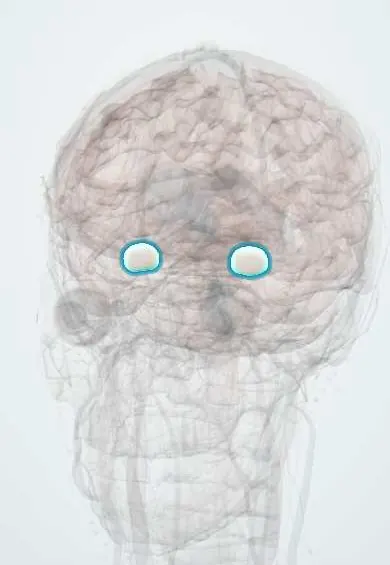
Thought to reflect an overactive threat circuit centred on the amygdala with weaker top-down control from the prefrontal and anterior cingulate cortex. Serotonin, noradrenaline and GABA systems are involved, which explains the effect of SSRIs, SNRIs and benzodiazepines, and the stress-hormone axis is often dysregulated.
Symptoms and signs
- Excessive worry about several areas (health, work, family, money) that is hard to control
- Restlessness or feeling on edge
- Easy fatigue
- Difficulty concentrating or mind going blank
- Irritability
- Muscle tension, headaches and other physical complaints
- Sleep disturbance
Diagnosis
- Clinical
- Clinical diagnosis by DSM-5 or ICD-11 criteria: excessive worry most days for at least six months with at least three of six physical or cognitive symptoms (one in children). The GAD-7 scale supports screening and follow-up.
- Tests
- To exclude medical causes: TSH, blood count, glucose and, as indicated, ECG; ask about caffeine, stimulants, alcohol and medications.
- Imaging
- Not needed for diagnosis.
Differential diagnosis
- Hyperthyroidism
- Panic disorder, social anxiety disorder and obsessive-compulsive disorder
- Major depressive disorder
- Substance-induced anxiety (caffeine, stimulants, alcohol or sedative withdrawal)
- Cardiac arrhythmias, asthma, pheochromocytoma and hypoglycaemia
Goal of treatment
Reduce worry and physical symptoms, restore functioning and sleep, and prevent relapse while avoiding dependence on sedatives.
Treatment
- Conservative
- Cognitive behavioural therapy is first-line and has lasting effects; guided self-help and relaxation training help in milder cases.
- Medical
- SSRIs and SNRIs are first-line drugs; buspirone and pregabalin are alternatives. Benzodiazepines act quickly but are for short-term use only because of tolerance, dependence, falls and cognitive effects, especially in older adults.
- Lifestyle
- Regular exercise, sleep hygiene and cutting down caffeine and alcohol.
- Follow-up
- Follow-up of symptoms with scales, side effects, suicide risk when depression coexists and gradual tapering of any sedative. Nursing: calm environment, teaching coping skills.
Drugs for this condition
Complications
- Major depression
- Alcohol and sedative misuse
- Suicidal thoughts when depression coexists
- Reduced quality of life and work performance
- Frequent consultations and unnecessary tests for physical symptoms
Prognosis
Often chronic with fluctuations, worsening during stress. Treatment helps most people, and continuing therapy or medication after improvement reduces relapse.
Test yourself
Think of the answer, then tap the question to see it.
How long must excessive worry last for a diagnosis of GAD?
Most days for at least six months.
Which drug classes are first-line for GAD?
SSRIs and SNRIs, with cognitive behavioural therapy as first-line psychological treatment.
Why are benzodiazepines limited to short-term use?
Tolerance, dependence, withdrawal, sedation, falls and cognitive impairment, especially in older adults.
Which endocrine disorder must be ruled out in new anxiety?
Hyperthyroidism (check TSH).
Related conditions
- Major depressive disorder
- Alcohol use disorder
- Graves disease (hyperthyroidism)
- Suicidal behaviour and suicide risk
Educational information, not medical advice. For any symptom, see a health professional.
Sources: Anxiety disorders (World Health Organization, 2025); Anxiety Disorders (National Institute of Mental Health (NIMH), 2025).
Spotted a mistake?We are always improving for the community. Tell us what is wrong and our team will review it.Report a mistake
Representative model, for educational purposes only.