Conditions · Pediatrics and neonatology
Hand, foot and mouth disease !
A common enterovirus infection of young children with fever, painful mouth sores and small blisters on the hands and feet. Usually mild; watch for dehydration.
Updated 2026-11-01
Structures involved
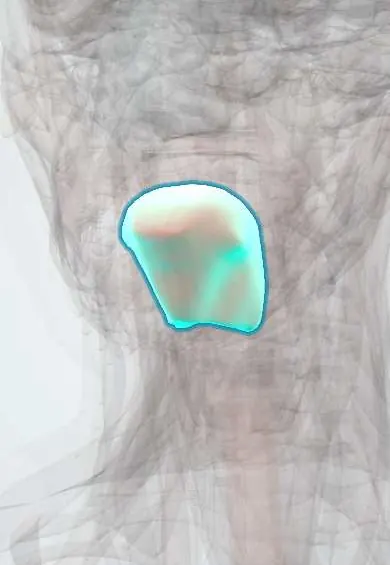
Tap one to see what it is and open it in 3D.
Microorganisms that cause it
Why it happens
What it is
A contagious viral illness, mostly of children under 5, caused by enteroviruses. It produces fever, painful ulcers in the mouth and a vesicular rash on the palms, soles and often the buttocks. It is usually self-limited in 7–10 days.
Who gets it
Worldwide, with outbreaks in nurseries and day-care centres, peaking in warm or rainy seasons. Outbreaks in day-care centres and schools are common in Colombia and the rest of Latin America; large epidemics with neurological cases have occurred in Asia with enterovirus A71.
Causes
- Coxsackievirus A16 is the classic cause; coxsackievirus A6 causes more widespread, atypical rashes
- Enterovirus A71 is linked to more severe neurological and cardiopulmonary disease
- Spread by respiratory droplets, saliva, blister fluid and the faecal-oral route; stool can shed virus for weeks
Risk factors
- Age under 5 years
- Day-care or nursery attendance
- Close household contact with a case
- Poor hand hygiene and nappy-changing practices
Pathophysiology
The virus replicates in the pharynx and gut, spreads through the blood and seeds the skin and oral mucosa, where it forms vesicles that break into shallow ulcers. In a few cases, mainly with enterovirus A71, it invades the brainstem and spinal cord, causing encephalitis, flaccid paralysis or neurogenic pulmonary oedema.
Classification
- Typical hand, foot and mouth disease
- Atypical (coxsackievirus A6): widespread vesicles, eczema-associated lesions, later nail shedding
- Complicated: neurological or cardiopulmonary involvement
Symptoms and signs
- Fever, poor appetite, sore throat and irritability
- Painful ulcers on the tongue, gums, inner cheeks and palate; drooling and refusal to drink
- Small oval vesicles on a red base on the palms and soles
- Red papules or vesicles on the buttocks, knees or genital area
- Peeling of fingernails or toenails weeks later
Diagnosis
- Clinical
- Clinical: the age, the mouth ulcers and the distribution of the rash on hands and feet are usually enough. Assess hydration status.
- Tests
- Not needed in typical cases. Enterovirus PCR of throat swab, stool, vesicle fluid or cerebrospinal fluid in severe cases or outbreaks; lumbar puncture if central nervous system involvement is suspected.
- Imaging
- Brain and spinal MRI when encephalitis or flaccid paralysis is suspected; chest X-ray and echocardiography in cardiopulmonary deterioration.
Differential diagnosis
- Herpetic gingivostomatitis (herpes simplex)
- Herpangina (ulcers only at the back of the mouth)
- Varicella
- Aphthous ulcers
- Measles or drug eruptions
Goal of treatment
Control pain and fever, keep the child well hydrated, prevent spread and recognise neurological or cardiopulmonary complications early.
Treatment
- Conservative
- Supportive care: paracetamol or ibuprofen for fever and pain, cold soft foods and frequent sips of fluid; avoid acidic drinks. Antibiotics do not help, and aspirin is avoided in children.
- Acute
- Oral rehydration solution, or intravenous fluids if the child cannot drink.
- Follow-up
- Nursing: monitor intake, urine output, temperature and level of consciousness; teach caregivers the warning signs.
- Acute
- Severe enterovirus A71 disease needs intensive care, with supportive management and, in some centres, intravenous immunoglobulin.
Complications
- Dehydration from painful swallowing
- Febrile seizures
- Viral (aseptic) meningitis and brainstem encephalitis
- Acute flaccid paralysis
- Myocarditis and neurogenic pulmonary oedema (mainly enterovirus A71)
- Nail shedding (onychomadesis)
Prognosis
Most children recover fully within 7–10 days. Death is rare and is almost always linked to enterovirus A71 with brainstem involvement.
Prevention
- Hand washing after nappy changes and toilet use
- Cleaning shared toys and surfaces
- Keeping sick children home while febrile and with open mouth sores
- Inactivated enterovirus A71 vaccines are used in some Asian countries; none is available in Colombia
Test yourself
Think of the answer, then tap the question to see it.
What is the classic virus causing hand, foot and mouth disease?
Coxsackievirus A16 (an enterovirus).
Which enterovirus is linked to severe neurological disease?
Enterovirus A71.
What is the main nursing priority in a toddler with painful mouth ulcers?
Preventing dehydration: encourage fluids, control pain and monitor urine output.
How does herpangina differ from hand, foot and mouth disease?
Herpangina has ulcers only on the posterior oropharynx and soft palate, with no hand and foot rash.
Related conditions
- Genital herpes (herpes simplex infection)
- Varicella (chickenpox)
- Febrile seizures
- Viral encephalitis (herpes simplex encephalitis)
- Measles
Educational information, not medical advice. For any symptom, see a health professional.
Sources: Hand-foot-mouth disease (MedlinePlus (U.S. National Library of Medicine), 2025); About Hand, Foot, and Mouth Disease (Centers for Disease Control and Prevention (CDC), 2024).
Spotted a mistake?We are always improving for the community. Tell us what is wrong and our team will review it.Report a mistake
Representative model, for educational purposes only.