Conditions · Infectious and tropical diseases
Genital herpes (herpes simplex infection) !
Herpes simplex viruses cause painful blisters on the lips or genitals. The virus stays for life in nerves and can recur; it can be dangerous to newborns.
Updated 2026-11-01
Structures involved
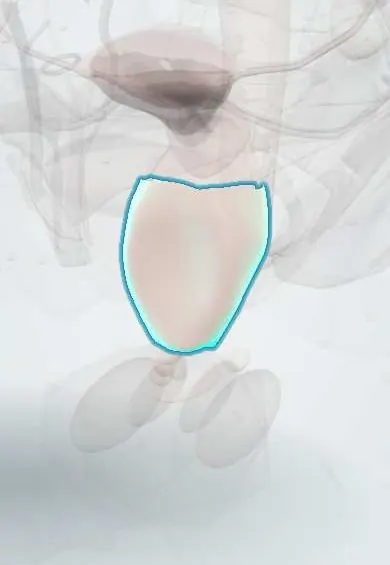
Tap one to see what it is and open it in 3D.
- Vagina
- Cervix
- Glans penis
- Labia minora
- Labia majora
- Urethra (female)
- Skin of penis
- Anal canal
- Orbicularis oris
- Gums (gingiva)
- Cornea
- Temporal lobe
- Trigeminal ganglion
- Dorsal root ganglia
Microorganisms that cause it
In embryology
Why it happens
- Skin: epidermis layers, dermis, hypodermis
- The neuron and synapse
- Peripheral nerve: endoneurium, perineurium, epineurium; myelin
What it is
Infection with herpes simplex virus type 1 or type 2, which causes painful clusters of blisters and ulcers on the mouth (usually HSV-1) or genitals (usually HSV-2, increasingly HSV-1). After the first episode the virus remains latent for life in sensory ganglia and can reactivate. It is one of the most common sexually transmitted infections.
Who gets it
Very common worldwide: most people under 50 carry HSV-1 and about one in eight people aged 15 to 49 carry HSV-2, with high rates in Latin America. Most infected people do not know it, because infection is often mild or unrecognised and the virus is shed without symptoms. Neonatal herpes is rare but serious.
Causes
- HSV-1: spread mainly by oral contact (kissing, shared objects); also a growing cause of genital herpes through oral-genital sex
- HSV-2: spread mainly by sexual contact
- Transmission often happens during asymptomatic shedding
- Vertical transmission to the newborn, mostly during vaginal birth
Risk factors
- Multiple sexual partners and condomless sex
- Female sex, earlier sexual debut and other sexually transmitted infections
- HIV infection or other immunosuppression (more severe, prolonged and frequent episodes)
- For neonatal herpes: maternal first infection late in pregnancy
Pathophysiology
The virus replicates in mucosal or skin epithelium, causing cell lysis, multinucleated giant cells and intraepidermal vesicles. It then enters sensory nerve endings and travels by retrograde axonal transport to the ganglia, mainly the trigeminal ganglion for HSV-1 and the sacral dorsal root ganglia for HSV-2, where it stays latent. Stress, fever, sunlight, menstruation or immunosuppression trigger reactivation, and the virus travels back down the nerve to the skin. Cell-mediated immunity limits recurrences.
Classification
- Primary infection: first infection in a person without prior antibodies, usually the most severe
- Non-primary first episode: first genital episode in someone already infected with the other type
- Recurrent episodes and asymptomatic viral shedding
- By site: orolabial, genital, ocular (keratitis), cutaneous (herpetic whitlow, eczema herpeticum), central nervous system and neonatal herpes
Symptoms and signs
- Prodrome of tingling, burning or itching at the site hours before lesions appear
- Grouped painful vesicles on a red base that break into shallow ulcers and crust
- Genital lesions on the vulva, vagina, cervix, penis, perianal area or buttocks; dysuria
- Tender bilateral inguinal lymphadenopathy
- Fever, headache, malaise and myalgia during the primary episode
- Oral HSV: gingivostomatitis in children, recurrent cold sores on the lip border in adults
- Recurrences are usually milder and shorter than the first episode
Diagnosis
- Clinical
- Clinical suspicion from typical grouped painful vesicles or ulcers, but the clinical diagnosis should be confirmed in the laboratory, and all genital ulcers need evaluation for syphilis and HIV.
- Tests
- Nucleic acid amplification (PCR) of a swab from an active lesion is the most sensitive test and identifies the type; viral culture is less sensitive. A negative result does not exclude HSV. Type-specific glycoprotein G serology helps in people with recurrent symptoms and no lesion to swab; routine screening is not recommended. The Tzanck smear (multinucleated giant cells) is historical. CSF PCR diagnoses encephalitis.
- Imaging
- Not needed for mucocutaneous disease. MRI of the brain in suspected encephalitis typically shows temporal lobe involvement; EEG may show temporal abnormalities.
Differential diagnosis
- Primary syphilis (usually a single painless chancre)
- Chancroid (painful ragged ulcer with suppurative nodes)
- Herpes zoster
- Aphthous ulcers and Behçet disease
- Fixed drug eruption, trauma and candidal infection
- Lymphogranuloma venereum
Goal of treatment
Shorten and soften episodes, reduce recurrences and transmission, prevent neonatal infection, and treat severe forms (encephalitis, neonatal, disseminated) urgently. There is no cure for latent infection.
Treatment
- Medical
- Oral nucleoside analogue antivirals (acyclovir, valacyclovir or famciclovir) for the first episode and for recurrences, ideally started within the first day or two of symptoms.
- Medical
- Daily suppressive antiviral therapy for frequent or severe recurrences; it also lowers transmission to an uninfected partner.
- Acute
- Intravenous acyclovir for herpes simplex encephalitis, neonatal herpes, disseminated disease and severe disease in immunosuppressed people, started as soon as it is suspected.
- Medical
- In pregnancy: suppressive antivirals from late pregnancy in women with known genital herpes, and caesarean delivery when there are genital lesions or a prodrome at the onset of labour.
- Lifestyle
- Counselling about the chronic course, avoiding sexual contact while lesions are present, condom use and informing partners; testing for other sexually transmitted infections and HIV.
- Follow-up
- Nursing care: pain relief, local hygiene, monitoring for urinary retention, and contact precautions for lesions in hospital.
Drugs for this condition
Complications
- Recurrent episodes and psychological and sexual distress
- Neonatal herpes (skin-eye-mouth, central nervous system or disseminated), with high mortality and lasting neurological damage
- Herpes simplex encephalitis, the most common cause of sporadic viral encephalitis
- Herpes keratitis with corneal scarring and loss of vision
- Aseptic meningitis, sacral radiculitis and urinary retention; proctitis
- About three times higher risk of acquiring HIV with HSV-2
- Herpetic whitlow, eczema herpeticum and erythema multiforme
Prognosis
Mucocutaneous herpes is lifelong but usually benign; recurrences tend to become less frequent over the years. Encephalitis and neonatal herpes remain serious even with prompt intravenous antivirals, and delay in treatment worsens the outcome.
Prevention
- Consistent condom use and avoiding sexual contact during outbreaks or prodrome
- Suppressive therapy in the infected partner of a serodiscordant couple
- Asking every pregnant woman about genital herpes and examining for lesions at the onset of labour
- Avoiding kissing newborns when a cold sore is present
Test yourself
Think of the answer, then tap the question to see it.
Where do HSV-1 and HSV-2 usually stay latent?
HSV-1 mainly in the trigeminal ganglion and HSV-2 mainly in the sacral dorsal root ganglia.
What is the most sensitive test for a genital herpes lesion?
PCR (nucleic acid amplification) of a swab from an active lesion.
How does a herpetic genital ulcer differ from a primary syphilis chancre?
Herpes causes multiple painful vesicles and ulcers; the syphilitic chancre is usually single, painless and indurated.
How is a woman with genital herpes lesions at the onset of labour delivered?
By caesarean section, to reduce the risk of neonatal herpes.
What is the treatment for suspected herpes simplex encephalitis?
Intravenous acyclovir started immediately, without waiting for confirmation.
Related conditions
- Syphilis
- HIV infection and AIDS
- Herpes zoster (shingles)
- Viral encephalitis (herpes simplex encephalitis)
- Keratitis and corneal ulcer
- Chlamydia infection
- Gonorrhoea
- Erythema multiforme
Educational information, not medical advice. For any symptom, see a health professional.
Sources: Herpes simplex virus (World Health Organization, 2025); Genital Herpes (Centers for Disease Control and Prevention (CDC), STI Treatment Guidelines, 2021).
Spotted a mistake?We are always improving for the community. Tell us what is wrong and our team will review it.Report a mistake
Representative model, for educational purposes only.